
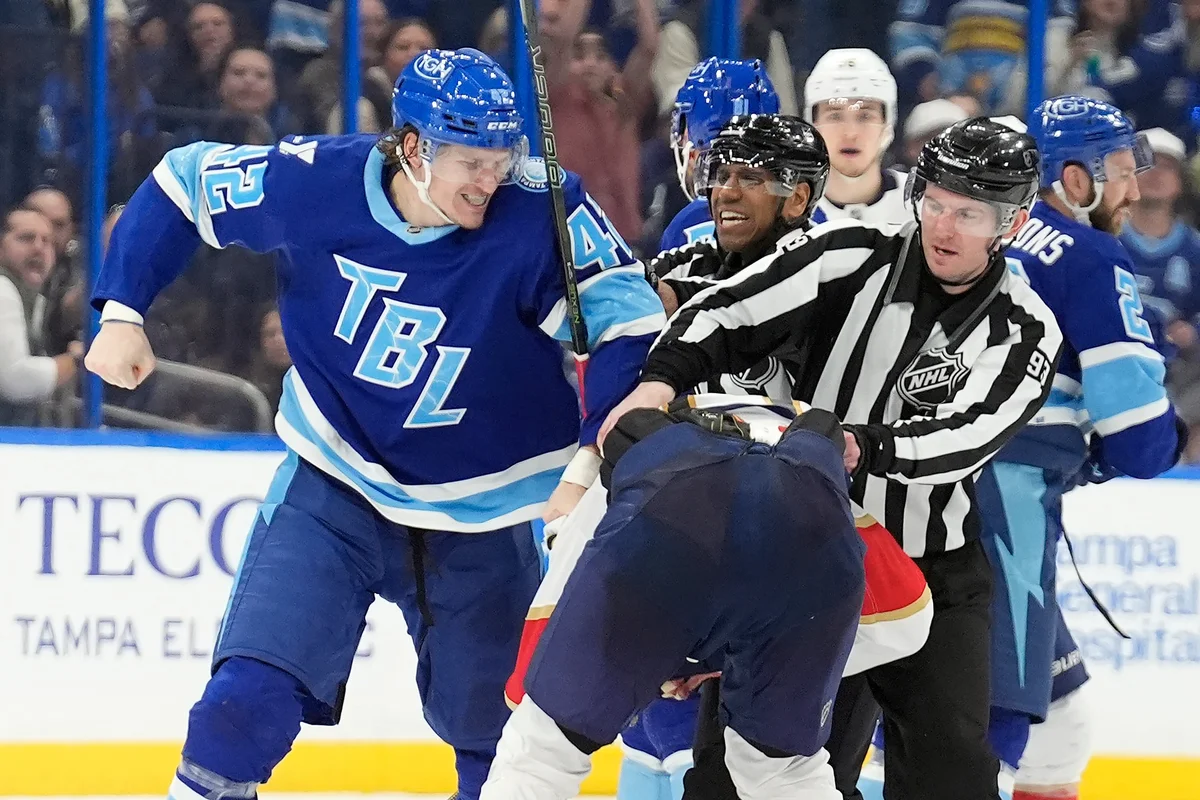
As the Olympic break settles in, the NHL trade deadline is less than a month away, and the Tampa Bay Lightning face critical decisions about roster moves. Despite an aging lineup riddled with injuries, Tampa Bay remains a top contender in the Eastern Conference and holds a 37-14-4 record, placing them first in the Atlantic Division with a 99.92% chance of reaching the playoffs. The team’s resilience, especially given the absences of prominent players such as Andrei Vasilevskiy, Nikita Kucherov, Brayden Point, Anthony Cirelli, and Victor Hedman, underscores their strategic depth and the potential importance of their trade decisions.
Current Team Outlook and Injury Challenges
Though the Lightning’s core has faced persistent injury setbacks, they continue to rank among the league leaders in both offensive production and defensive efficiency. Tampa Bay allows the seventh-fewest shots per game while maintaining a top-five position in goals for and against. Their ability to stay competitive despite these challenges makes them strong candidates to secure a fourth Stanley Cup Final in seven years, provided they bolster their lineup appropriately at the deadline.
Trade Deadline Status and Cap Considerations
The Lightning enter the trade deadline as buyers, carrying $3.84 million in cap space with all three possible retention slots still available and 47 of 50 contracts filled according to PuckPedia. Unlike previous seasons, Tampa Bay’s collection of draft assets remains more intact. Although they lack first-round picks for the upcoming two years, they hold valuable second through seventh-round selections extending through 2027 and a first-round pick in 2028, granting them more flexibility to negotiate trades with depth and future potential in mind.
Available Trade Assets and Team Strategy
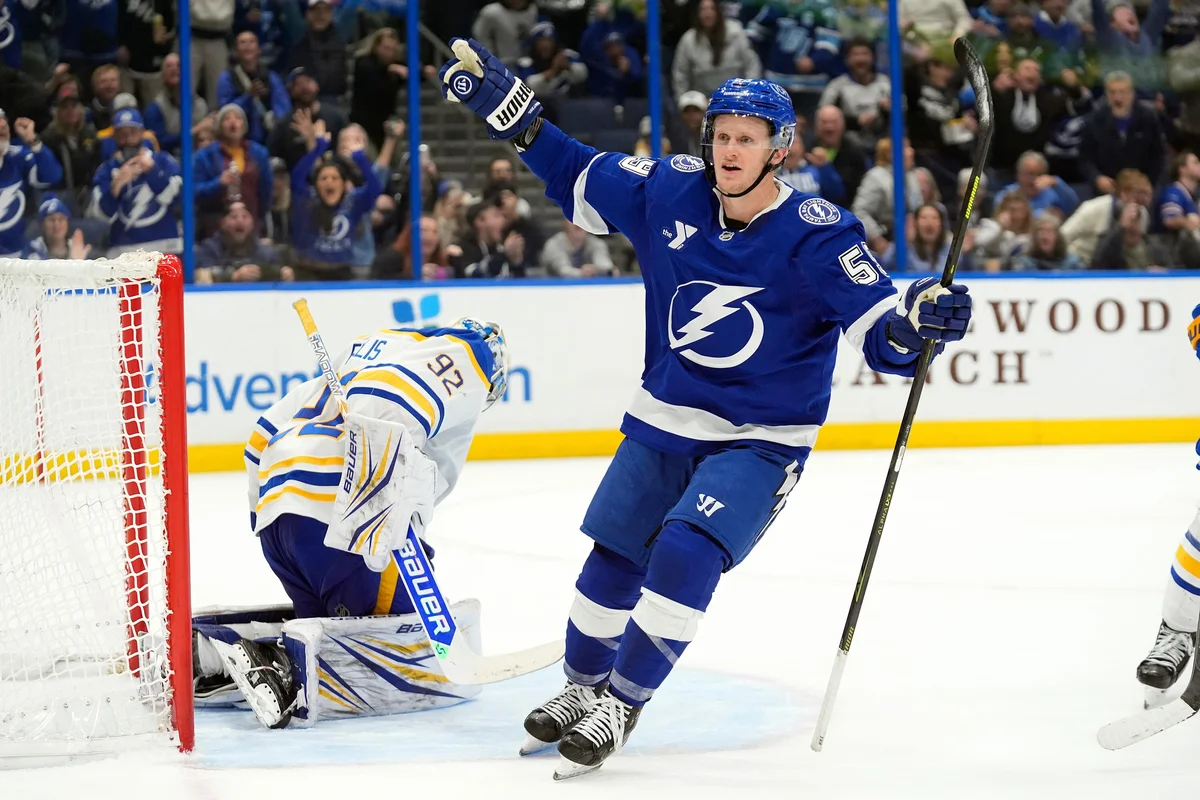
General Manager Julien BriseBois is known for preferring depth acquisitions over headline-grabbing moves. While he reportedly showed interest in Artemi Panarin, the recent precedent for buyer-friendly deals has shaped broader market expectations. The Lightning’s trade assets include promising prospects like center Sam O’Reilly, acquired last summer from the Edmonton Oilers in a swap of late first-round picks. O’Reilly, the 32nd overall pick in the 2024 draft, is completing his final junior season but has yet to display significant offensive growth despite his reputation as a smart, two-way third-line agitator with solid vision.
Should Tampa Bay pursue a reunion with players like Blake Coleman—now with the Calgary Flames—or free agent winger Michael Bunting from Nashville, they would likely need to include valuable assets such as O’Reilly in the deal. Coleman’s contract runs through next season at a $4.9 million cap hit, and Calgary would probably require retention of salary to facilitate a trade. Given Coleman’s acquisition cost involved a first-round pick, the Flames’ asking price is expected to be high, making O’Reilly a sensible trade chip for the Lightning.
Roster Stability and Potential Trade Limitations
Due to extensive injuries, Tampa Bay has maintained a deep lineup with no intention of parting with roster players who are critical to sustaining its competitiveness. The team’s coach, Jon Cooper, has managed to keep underlying performance metrics strong throughout the season despite these challenges. Consequently, any trade involving significant NHL players moving out seems unlikely unless Tampa acquires multiple assets in return, similar to last season’s trade for Oliver Bjorkstrand and Yanni Gourde from Seattle.
Additionally, the Lightning recently lost center Jack Finley, previously considered a potential trade asset, when the Blues claimed him off waivers. This further limits Tampa’s options for cost-effective roster adjustments at the deadline.
Prospect Development and Trade Value
Entering the season, Tampa Bay’s prospect pool was viewed as one of the weaker groups in the league, a consequence of perennial contention and trading away picks. However, the breakout season by 2025 fourth-round pick Benjamin Rautianen, who leads the Finnish Liiga with 17 goals and 61 points in 46 games, has added valuable depth to the Lightning’s future talent pipeline. Despite this, the team is unlikely to risk losing both O’Reilly and Rautianen in a single trade, as either move would represent a substantial gamble for a squad relying heavily on its current roster to overcome injuries.
Primary Areas for Roster Upgrades
Tampa Bay’s main needs before the trade deadline are adding a dependable third-line forward and a right-shot defenseman to provide depth. Currently, injuries to key centers Brayden Point and Anthony Cirelli have exposed vulnerability down the middle. Although the team is expected to regain strength at full health, acquiring a skilled forward able to replace less effective players like Gage Goncalves would improve an already potent offense ranked fourth in the league during the Olympic break. Targets such as Blake Coleman and Michael Bunting fit this profile and could solidify Tampa Bay’s third line.
On defense, the Lightning do not require a star addition, but they do need a reliable right-shot option to complement Darren Raddysh and Erik Černák, the only right-handed defenders regularly projected to play NHL minutes in the postseason. Maxwell Crozier, while a capable depth choice, lacks the experience to step into a top-four role if injuries occur. Veteran rentals like Connor Murphy or a potential reunion with Luke Schenn could provide the necessary stability and balance to Tampa’s defensive corps.
Implications for the Lightning’s Title Hopes
The Lightning’s ability to navigate the trade deadline successfully will be crucial given their injury-plagued core and the challenges of competing in a highly contested Eastern Conference. Strategic acquisitions targeting depth forwards and right-shot defenders could maintain the team’s momentum and address key weaknesses without sacrificing future assets or disrupting cohesion. Such trades might be the difference between a deep playoff run and an early exit.
As the deadline draws nearer, Tampa Bay’s front office faces a delicate balancing act, weighing the urgency of immediate help against preserving the team’s long-term prospects. With their playoff berth almost assured and a pedigree of recent success, the Lightning’s moves in the coming weeks will signal their determination to contend for another Stanley Cup while managing ongoing player availability concerns.
