
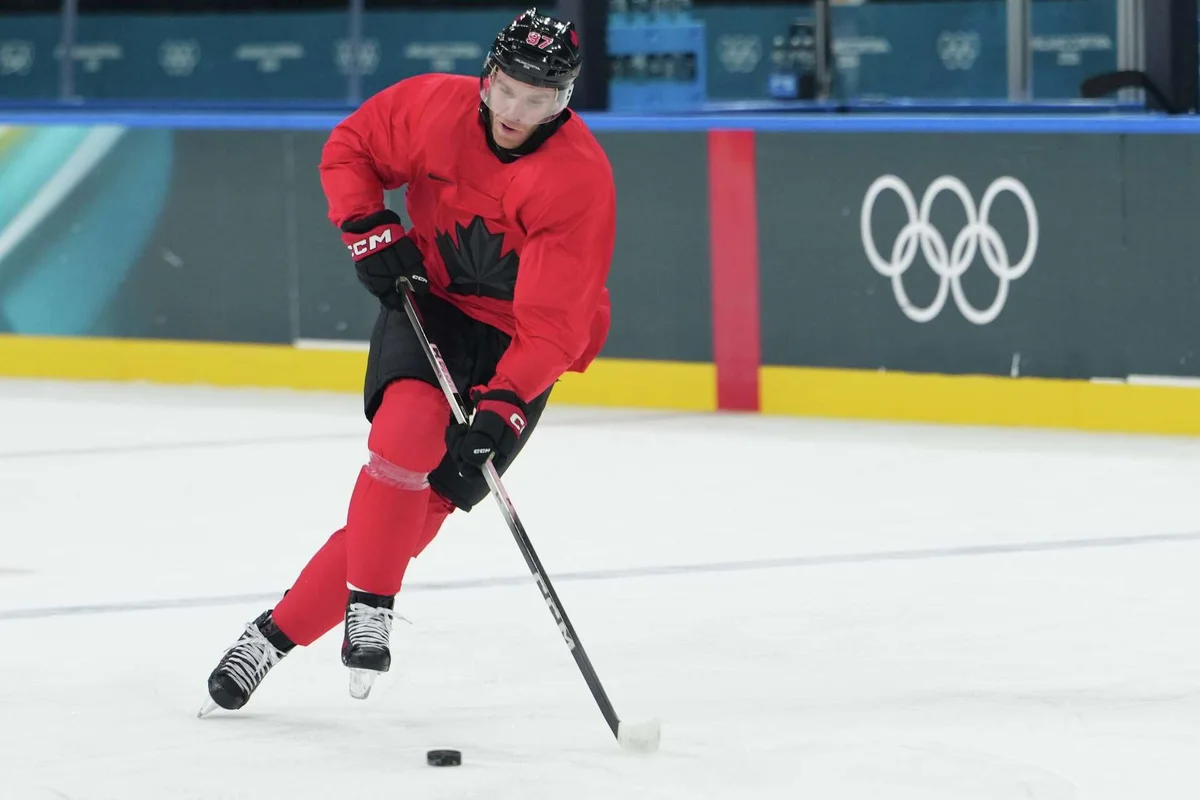
MILAN — NHL stars are back competing in the Olympic Games for the first time since 2014, rekindling excitement over the league’s return on this prominent international stage. The Milano Cortina Olympic Games now feature NHL players in ice hockey, marking a highly anticipated comeback after a decade-long absence due to disputes and pandemic interruptions.
Italy’s left wing Luca Frigo, who has only faced NHL greats like Sidney Crosby virtually in video games until now, expressed eagerness to finally compete against them in person. When Finland faces Slovakia at the Milano Santagiulia Ice Hockey Arena, it will be the first matchup featuring NHL talent since the Sochi Olympics.
Background on NHL’s Olympic Absence and Return
The NHL withdrew its players after the 2014 Sochi Winter Games due to unresolved conflicts with the International Olympic Committee and the International Ice Hockey Federation. The disagreements centered around insurance coverage, the league’s inability to use Olympic media for promotion, and concerns over player injuries. Although talks pointed toward an NHL return in 2022’s Beijing Games, the COVID-19 pandemic derailed those plans.
Despite these hurdles, a new agreement between the NHL, IOC, and IIHF paved the way for this year’s NHL stars to rejoin the Olympics. Final approval faced uncertainty last fall when questions arose about the readiness and safety of Milano Santagiulia Ice Hockey Arena as the venue for the competition. NHL Commissioner Gary Bettman and league owners ultimately authorized player participation, marking a significant milestone.
Player and Leadership Perspectives on the Olympic Comeback
Team Canada center Connor McDavid acknowledged the lengthy wait with a note of relief.
“It’s been a long time coming,”
he said. Sidney Crosby of the Pittsburgh Penguins described the process as emotionally taxing due to the unpredictability, stating,
“You try not to get your hopes up too much, but you also had to be ready in case we did go.”
The return of NHL players also rekindles fierce competitive tensions, as the tournament begins with traditional powerhouses Canada and the United States favored to advance. Canada, led by Crosby, won the last two Olympics involving NHL talent and faces intensified expectations after the 12-year gap.
Canada’s head coach Jon Cooper emphasized the team’s ambition:
“Would you rather be in a situation where, ‘Oh my god, I can’t wait to win the bronze!’ No way, man, I want to be the team that is gold or bust.”
He added,
“If you are not the team being chased, I do not want to be the chaser. We are pumped to go to war with these guys.”
Similarly, Team USA general manager Bill Guerin expressed the team’s determination plainly: “We have to win.” Historically, the Americans have fallen to Canada in iconic Olympic gold medal games, most notably in the 2010 final decided by Crosby’s sudden-death overtime goal. The rivalry remains intense, underscored by Canada’s recent victory over the U.S. in the NHL’s 4 Nations Face-Off last year.
Team Canada’s Roster Strength and Rising Stars
Canada’s current lineup appears formidable, even stronger than during recent international competitions. Connor McDavid leads the NHL in scoring at the Olympic break with 96 points, closely followed by Nathan MacKinnon. Veteran players like Crosby and defenseman Drew Doughty are chasing their third Olympic gold medals, providing experience and leadership.
Among the rising talents is 19-year-old Macklin Celebrini from North Vancouver, positioned fourth in NHL scoring at the break with 81 points. Yet, Celebrini faces the challenge of carrying the pressure that comes with wearing the iconic red maple leaf.
“You look at our country,” Team Canada defenseman Cale Makar reflected,
“and everyone is looking at us to do something special.”
The weight of national expectations adds unique intensity to Canada’s Olympic journey this year.
