
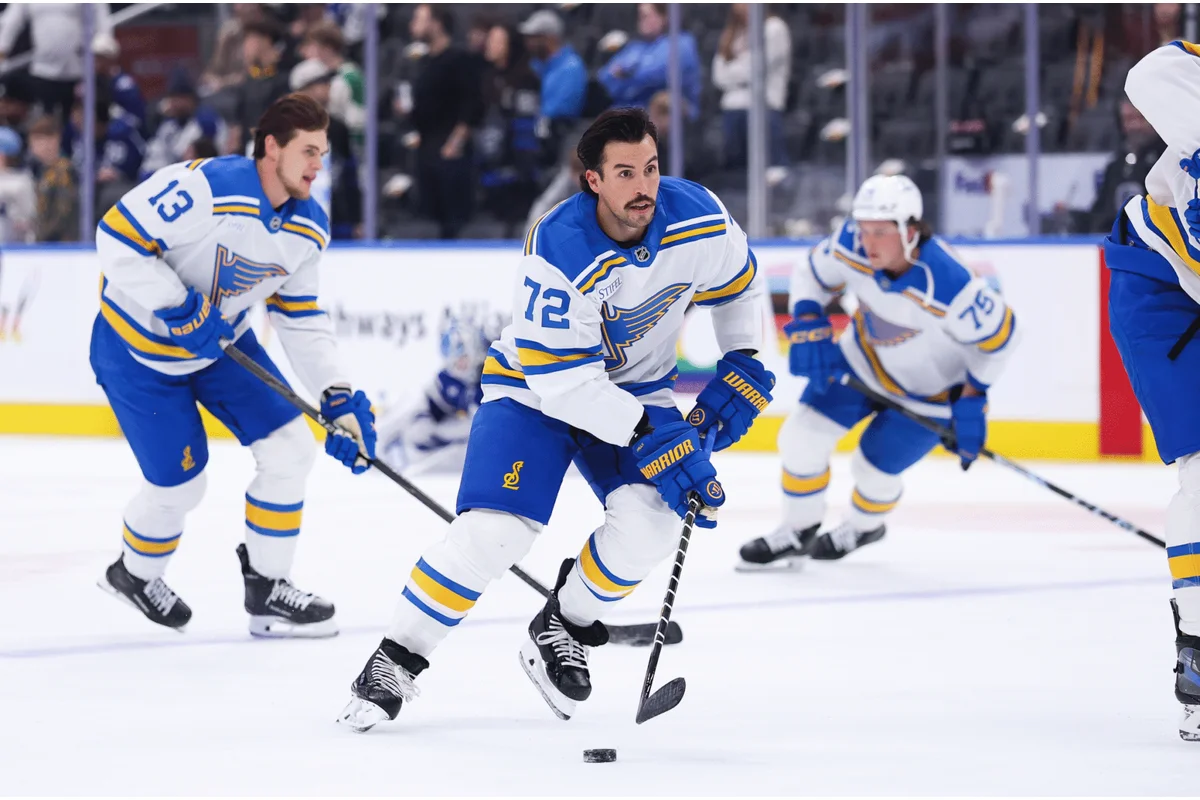
The Boston Bruins are actively exploring options to enhance their defense with a right-shot blueliner, focusing on Justin Faulk, as the NHL trade deadline approaches. With the team in a playoff position heading into the Olympic break, General Manager Don Sweeney faces the challenge of balancing roster improvements against salary cap constraints and future assets.
Interest in Justin Faulk Gains Momentum
<pAccording to Jimmy Murphy of RG.org, Bruins GM Don Sweeney is among several NHL executives evaluating the possibility of acquiring 33-year-old defenseman Justin Faulk. This interest follows recent attempts to secure right-handed defenseman Rasmus Andersson, indicating a clear need for a right side upgrade on the Bruins' blue line.
A source familiar with the situation noted to Murphy,
“They have been talking for a while now.”
In addition to Boston, teams such as the Canadiens, Sabres, Red Wings, Stars, and Mammoth have also shown curiosity regarding Faulk’s availability.
Reports ahead of the Olympic break from insider Darren Dreger highlighted that the St. Louis Blues, Faulk’s current team, are demanding premium returns for their players. Jeremy Rutherford of The Athletic underscored Blues GM Doug Armstrong’s reluctance, stating he is
“willing to accept pennies on the dollar.”
Faulk carries a $6.5 million cap hit through the 2026-27 season, while Boston is projected to have just under $4 million in cap space by the trade deadline, as per PuckPedia. Therefore, any deal would require either salary retention by the Blues or corresponding roster moves by the Bruins.
Reasons Supporting Boston’s Pursuit of Faulk
The Bruins’ recent trade discussions reflect their intent to add a right-shot defender without mortgaging their future. Murphy’s source emphasized that Sweeney is
“not going to sell the future,”
indicating caution in asset expenditure.
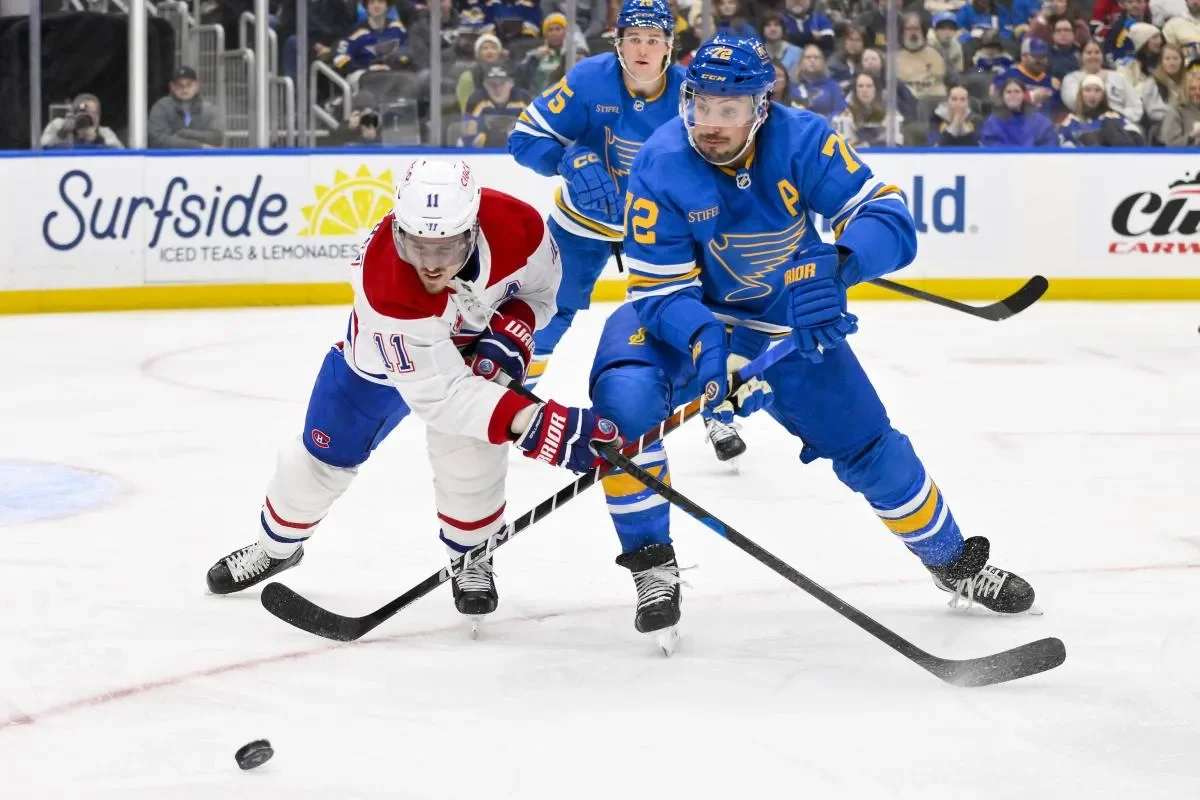
Justin Faulk offers significant offensive contributions from the back end. He currently leads Blues defensemen with 11 goals, 19 assists, 30 points, and nine power play points. His minus-3 rating and average ice time of 22:29 per game—the second highest on St. Louis—highlight his role and reliability. His 11 goals rank him eighth among NHL defensemen this season.
For context, Boston’s entire defensive corps has scored 22 goals this season, meaning Faulk alone accounts for half of that total, showcasing an immediate offensive boost.
Additionally, Andrew Peeke, a younger right-shot defenseman on an expiring contract, may become a valuable trade asset. Although Peeke has potential for contract extension, he has been linked to trade rumors this season. Acquiring Faulk could solidify Boston’s blueline depth and allow Peeke to be used in a trade that benefits the team.
Faulk is versatile enough to fit into Boston’s top-four defensive group, capable of pairing with Hampus Lindholm, Nikita Zadorov, or Mason Lohrei—unless he himself becomes part of a trade package.
Challenges and Considerations Against the Faulk Trade
Despite Faulk’s attributes, he is not Rasmus Andersson, who the Blues reportedly value highly. When Andersson was traded to the Vegas Golden Knights on January 18, the Flames received a first-round pick, a conditional second-round pick that might become a first, a roster player, and a prospect in return.
Sportsnet’s Elliotte Friedman revealed the Bruins had offered a 2027 first-round pick and defenseman Mason Lohrei in the Andersson package—an offer that fell short of St. Louis’s expectations for Faulk.
Faulk’s contract situation adds complexity; he has one year remaining before becoming a free agent, while Andersson’s contract was expiring but extendable. The Bruins would have to wait until at least July to negotiate a new contract with Faulk, who will turn 34 next month and be 35 upon contract expiry, raising questions about term and long-term value.
Boston’s right-shot defensive depth beyond Faulk consists mainly of Peeke, Charlie McAvoy, and Henri Jokiharju at the NHL level, plus a few prospects in Providence and Harvard. Moving Peeke, who is younger and controllable, would thin this depth and push the Bruins toward needing a right-shot defender in upcoming drafts.
Furthermore, while Faulk’s 11 goals this season are notable, this is his first time reaching double digits in goals since the 2022-23 season, when he notched a career-high 50 points. His total of six goals over the previous two seasons demonstrates some volatility in offensive production.
Ultimately, trading for Faulk would satisfy an immediate need but could risk overpaying for age and contract length, potentially conflicting with the Bruins’ strategy established last year. Patience may be advisable until the Blues reduce their asking price.
What’s Next for Boston’s Defensive Plans?
The Bruins currently sit in a competitive spot for the playoffs, and addressing defensive needs could help them make a deeper postseason run. However, Don Sweeney’s approach appears measured, as he weighs the cost against the potential benefit of acquiring Justin Faulk.
If the Blues adjust their demands, Boston may engage more aggressively. Until then, the Bruins are likely to avoid surrendering assets similar to those offered for Andersson, preserving future flexibility while maintaining competitiveness.
The coming weeks will reveal if Boston commits to this move or looks for alternative solutions before the trade deadline, reflecting the urgency and tension within the organization to finalize their roster.
