
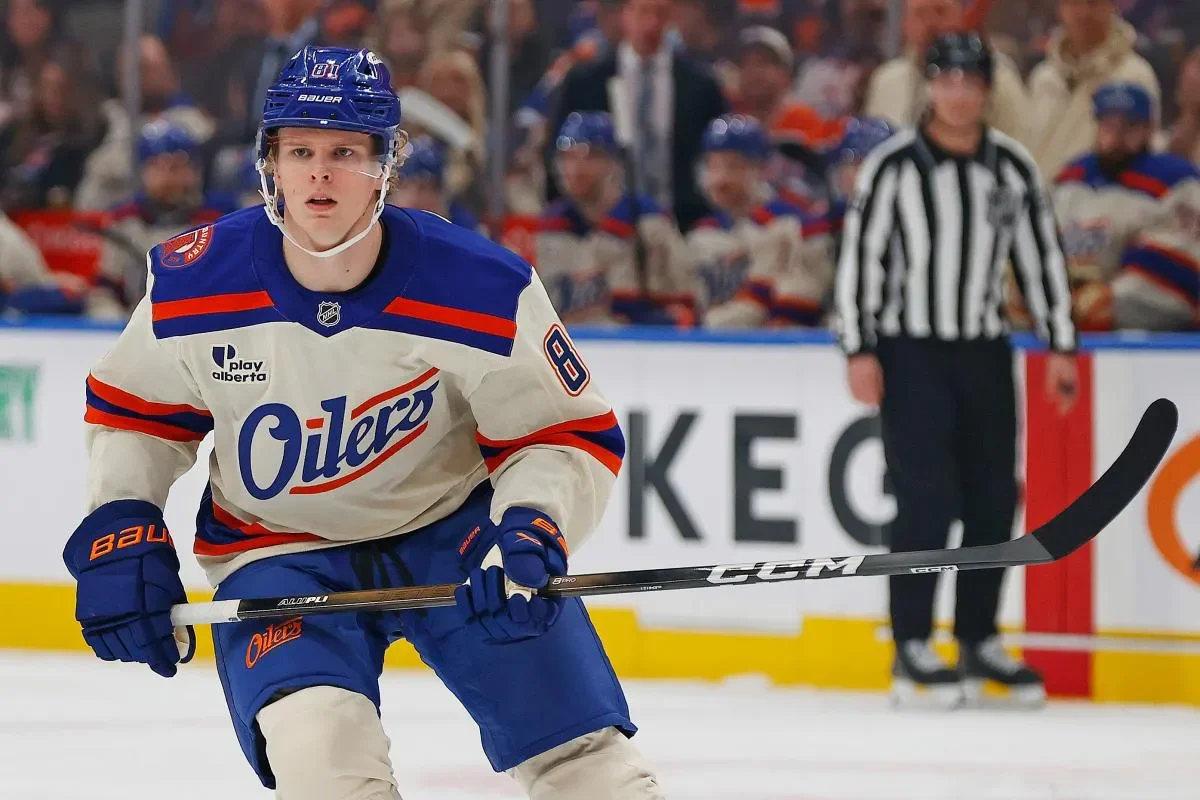
As the NHL season resumes following the Olympic break, the Edmonton Oilers’ roster needs are becoming increasingly apparent. With the team’s current focus on urgency and experience, some players who previously didn’t fit may now represent valuable additions to the Edmonton Oilers roster fit.
Potential Revival of Nail Yakupov’s Career
Nail Yakupov was selected first overall in the 2012 NHL Draft, expected to develop into a star forward with speed, grit, and a powerful shot. Over four seasons, he appeared in 252 games, tallying 50 goals and 61 assists for a total of 111 points. One of his signature moments came when he scored a dramatic game-tying goal against the Los Angeles Kings with just 4.7 seconds remaining in regulation, followed by a memorable knee-slide celebration.
Initially, Yakupov was tasked with becoming a leading figure on a rebuilding Oilers team lacking structure. His strongest attributes—speed, quick shot release, and offensive instincts—could now be better utilized in a middle-six role, pairing him with skilled playmakers like Connor McDavid and Leon Draisaitl. Given the Oilers’ improved defensive systems and demand for depth scoring, Yakupov’s potential as an energy scorer who can accelerate the pace fits well with today’s team dynamics.
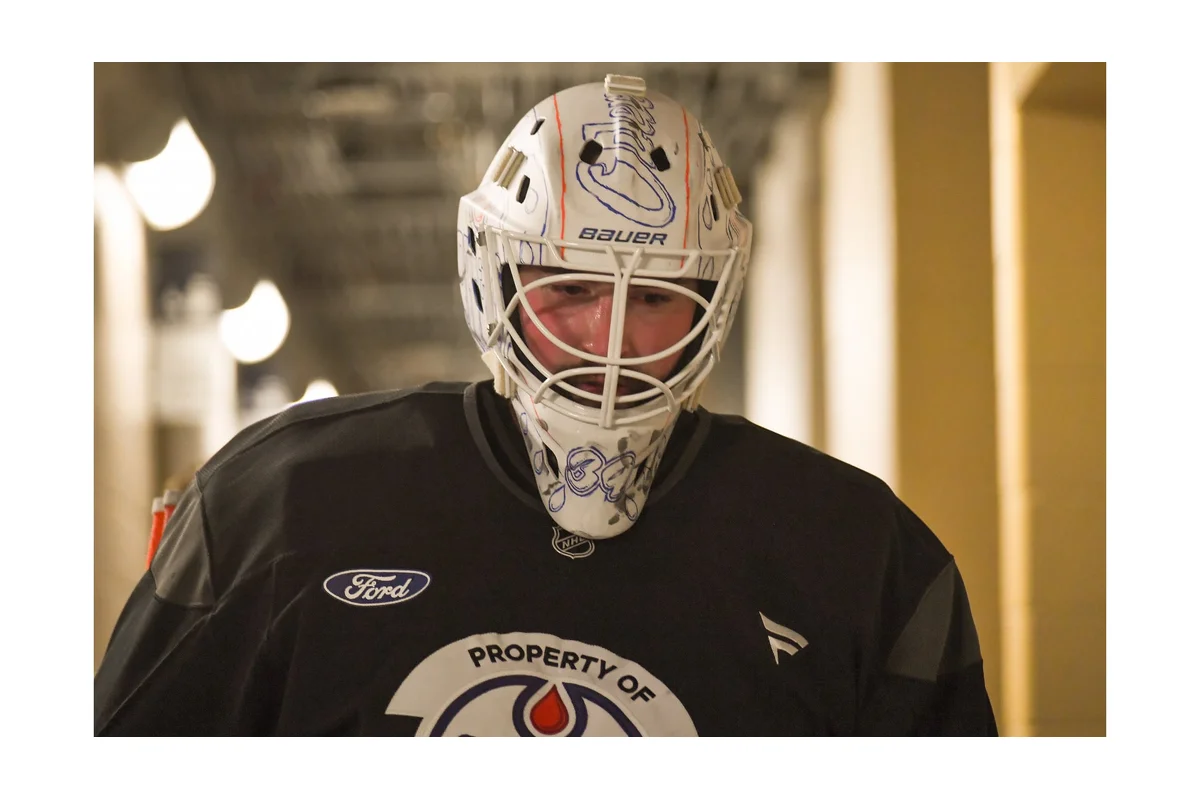
With the current emphasis on stability and leadership, Yakupov could finally fulfill the promise that infused hope during the team’s challenging rebuilding years.
Philip Broberg’s Growing Compatibility with the Team
Philip Broberg, chosen eighth overall in the 2019 NHL Draft, initially struggled to find his place as Edmonton transitioned into contender status. Early in his tenure, limited ice time and challenging circumstances hindered his development. Nonetheless, Broberg’s recent performances, including key contributions during the regular season and playoffs, signaled his potential breakthrough before he was offer-sheeted by the St. Louis Blues in the offseason.
Today’s Oilers roster offers a more supportive environment for Broberg’s skill set. Originally asked to shoulder heavy responsibilities on defense beyond his experience, Broberg’s strengths now align more closely with team needs. His elite skating, puck retrieval, and ability to transition the puck through the neutral zone complement Edmonton’s focus on fast defensive exits and overall speed. This alignment with the team’s identity underscores how much Broberg could thrive if reintegrated into the lineup.
The Case for Dylan Holloway’s Return
Drafted 14th overall in 2020 and hailing from Calgary, Dylan Holloway arrived as a high-energy, speedy forward with a physical style. His two-way game and forechecking ability showed promise when the Oilers shifted into full contender mode. However, injuries and limited chances prevented him from cementing a regular spot.
During his final season with Edmonton, Holloway managed seven points over a 25-game playoff run, solid numbers for a bottom-six forward receiving limited ice time. With the team now emphasizing depth, forechecking, and responsible two-way play beyond just top-six scoring, Holloway’s attributes align well with current roster needs. His speed, physicality, and pressure on the defense could boost the middle-six by adding energy and effective puck retrieval.
Holloway’s style fits the Oilers’ present strategy of valuing role players who influence the game without dominating the scoresheet, making his return a logical consideration.
Exploring Timing and Roster Fit for Former Players
Analyzing the cases of Yakupov, Broberg, and Holloway reveals a common thread: timing is as crucial as talent. Each player joined Edmonton during formative years when the team was still establishing its identity and lacked patience for gradual development. Today’s Oilers feature defined roles, a structured system, and veteran leadership that better support players excelling within specific responsibilities rather than unrealistic expectations of immediate stardom.
What once appeared as missed chances could now represent strategic reinforcements. This evolution shows how the right player, in the wrong era, may have underperformed, while the same player could offer impactful contributions when the team context shifts. Revisiting these former roster options underscores how Edmonton has moved beyond searching for identity to refining a contender-ready lineup.
Ultimately, the distinction between a poor fit and a necessary piece often boils down to timing and team dynamics. As the Oilers continue to optimize their roster, the question remains: which of these former players might deliver the most value if given a second opportunity in today’s configuration?
