
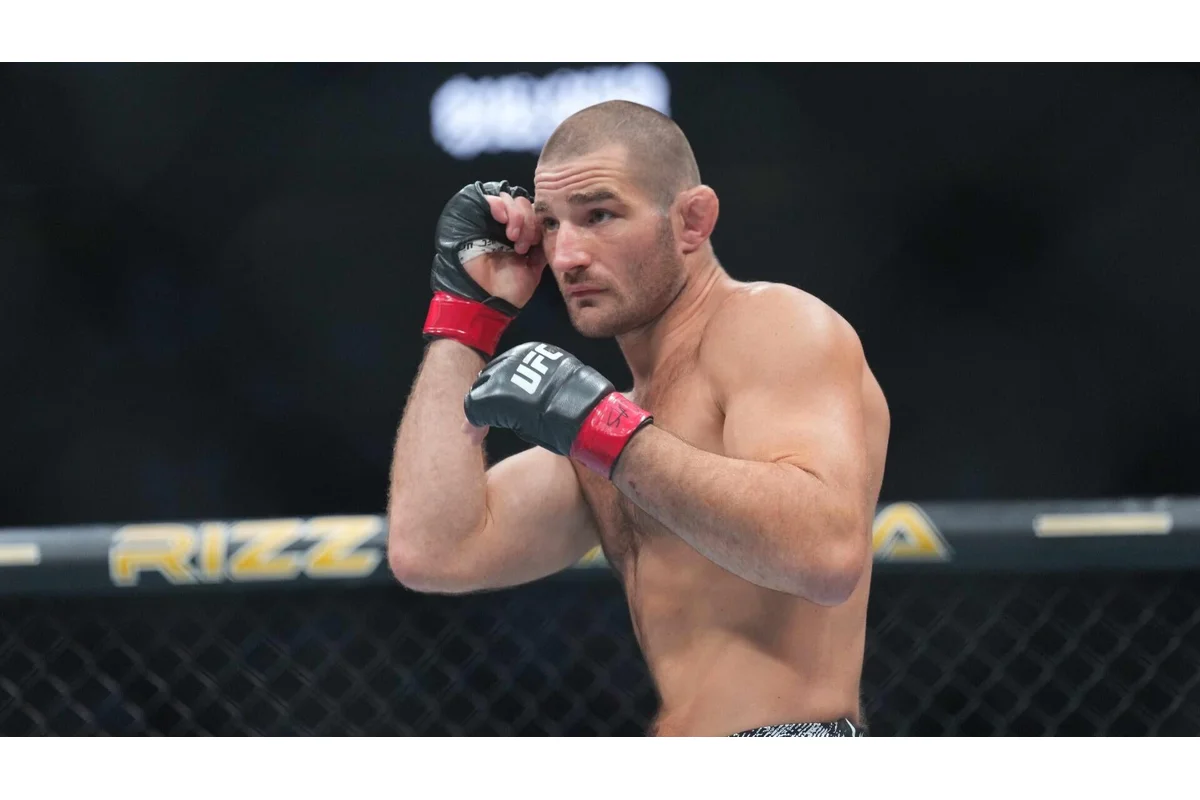
Sean Strickland, former middleweight UFC champion, sharply criticized the organization’s pay structure ahead of his upcoming fight with Anthony Hernandez. Despite the UFC’s recent $7.7 billion agreement with Paramount+ and promises of increased bonuses, Strickland argued that fighter compensation remains inadequate and exploitative, casting doubt on claims of higher earnings for fighters.
Strickland expressed deep frustration with how UFC fighters are paid compared to athletes in other sports, stating that the UFC’s pay scale is uniquely unfair and predatory. He detailed the disparity during an interview with Complex News, emphasizing the personal sacrifices fighters make in the cage while receiving comparatively little financial reward.
“The UFC is the most, as far as the pay scale, there is no — you compare it to any other sporting event, the UFC is the most fcked up,” Strickland told Complex News. “If you compare it to like pay versus athletes versus what they’re making, there is no argument there. It’s not fair, it’s predatory. There is no argument there. Now we’re a bunch of fcking idiots who take our clothes off and go fight for fcking shorten our lives for this. So like, do we deserve better? I don’t fcking know. I’m just telling you that there is no argument here that the UFC is not predatory.”
Contrasting UFC Pay with Other Professional Sports
Strickland pointed to the NFL as an example of better athlete compensation, noting that football players receive a larger share of revenues relative to UFC fighters. He advocated for similar treatment within MMA, though he tempered his call by acknowledging the rough nature of the sport and its demands on fighters’ bodies.
“The UFC should do the same, but it won’t be as predatory,” he said. “But again, we take our f*cking clothes off and get hit in the head like assholes, so maybe we deserve this.”
Increased Bonuses Fail to Address Core Pay Issues
The UFC has recently raised post-fight bonuses to $100,000 and added an extra $25,000 rewards for fighters who finish their bouts. Despite these adjustments, Strickland contends that these increments do not fundamentally improve fighters’ financial realities, especially when compared to cost of living pressures and limited fight opportunities.
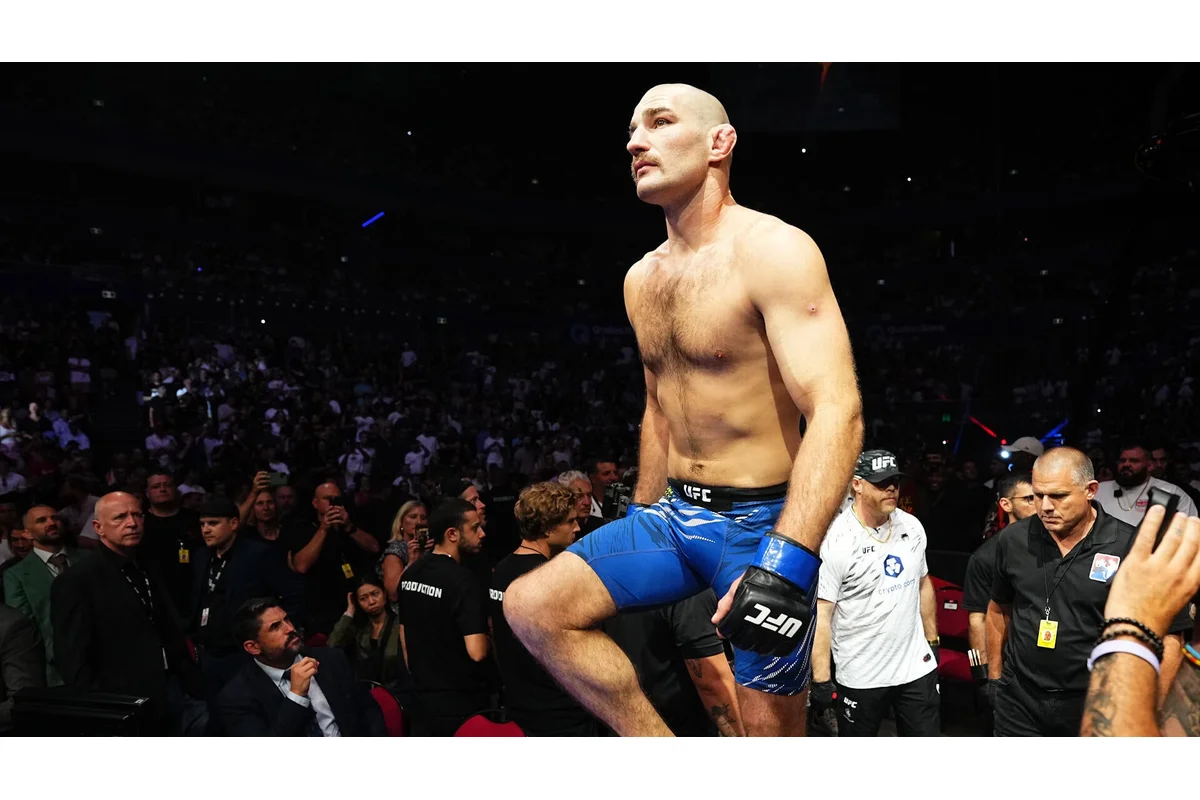
“This is public knowledge. But again, does it change? No, it fcking doesn’t change,” he stated. “You say no to a fight. Well, guess what? They’re go find some fcking guy in some fucking sandpit and they’ll do it for fucking five and five. This is why you’re slowly gonna see the American roster die because it’s outsourced by people that fcking, you could live on — I mean, what are they signing guys? 10 and 10? How much is fcking rent in Vegas? It’s like $2,000, $1,600, $1,400? So it’s like, once you pay your managers, your taxes, how the fck you supposed to live on that? ‘Well, you could fight four times a year.’ Okay, so you go 3-1. Like, no, you’ll make more money at fcking Walmart, dude. But it’s what the UFC wants, man. It’s all just fcking corporate, fcking predatory. That’s how it goes you. Why do I want to go compete with a Brazilian where he could go make money and live pretty nicely, to where you can’t do that in America? Why would anybody want that? It doesn’t make sense.”
Strickland’s Recent Career and Upcoming Matchup
Strickland, who has headlined eight of his last ten UFC appearances including high-profile fights against Israel Adesanya and Dricus Du Plessis, enters his bout with Anthony Hernandez seeking to rebound from a 1-2 stretch. His concerns over fighter pay continue to highlight the disparity between UFC’s expanding media contracts and the financial struggles many fighters endure.
As the UFC promotes new deals and larger bonuses, Strickland’s candid commentary underscores the ongoing debate around pay fairness in mixed martial arts, particularly for American fighters facing fierce competition both inside and outside the cage.
The Broader Implications for UFC Fighters’ Livelihoods
Strickland’s outspoken critique signals a growing tension within the UFC regarding sustainable fighter compensation, especially in light of increasing business revenues and global visibility through partnerships like Paramount+. His remarks illustrate the difficulty many fighters face supporting themselves while risking significant physical harm, a situation compounded by competition from international athletes willing to accept lower pay.
This dynamic may influence roster composition and the sport’s future in America, possibly pressuring the UFC to revisit its financial model to better support fighters and retain talent.
Lone Star State… get ready for him tomorrow 🚨
[ #UFCHouston | @SStricklandMMA | 8pmET on @ParamountPlus ] pic.twitter.com/KYpaenTjGO
— UFC (@ufc) February 20, 2026

