
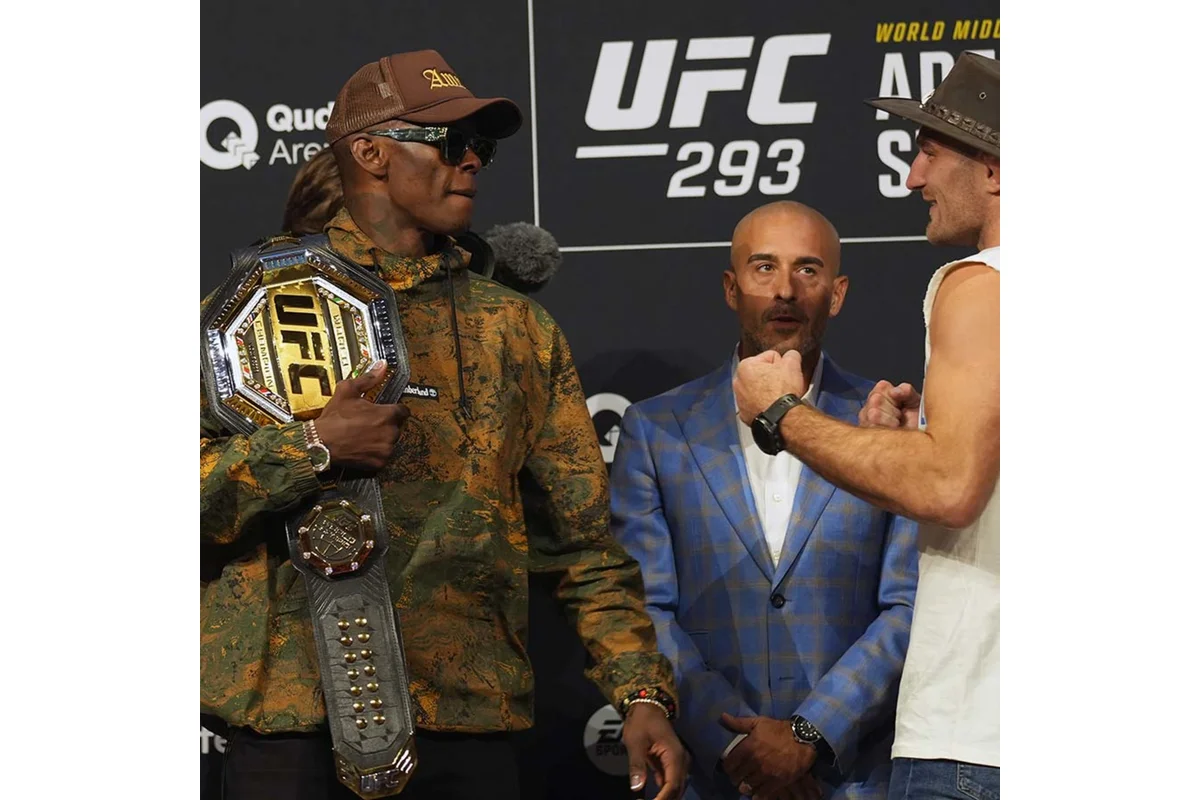
Israel Adesanya publicly challenged the current compensation framework in mixed martial arts after the revelation that Conor Benn received $15 million for a single fight under the Zuffa Boxing banner. Speaking in early March 2026, the former UFC middleweight champion pointedly asked why similar pay could not be guaranteed for UFC athletes when both promotions operate under the same corporate structure. This query highlights a growing debate over fighter earnings within an organization expanding into both boxing and MMA.
Conor Benn, a British boxer, departed from Eddie Hearn’s Matchroom Boxing to sign with Zuffa Boxing, a division managed under TKO Group Holdings – the parent company of the UFC. Although TKO clarified that Benn’s payday was primarily funded by their Saudi entertainment partner SELA, the sizable figure ignited significant discussion among combat sports professionals, particularly within UFC circles focused on pay equity.
Insights from Adesanya on Differing Payment Models
On his YouTube channel, Adesanya emphasized the talent equivalency between top boxers and UFC fighters, stating,
“These guys are top-class boxers. They’re the best in the world at what they do. But so are we.”
He underscored his frustration by questioning the pay discrepancies despite sharing a parent company:
“This is the UFC. And if one guy can command that kind of money for one fight, and that’s from the same company, Zuffa. This is what’s been keeping the lights on, is the UFC. We love Ultimate Fighting, not limited fighting. I don’t feel jaded, but I’m like, f– it, I want 15 million for one fight too.”
Adesanya also drew attention to the structural differences in how combat sports distribute fighter income. Unlike boxing, where large guaranteed purses are common, UFC contracts generally offer lower base pay supplemented by win bonuses and discretionary awards tied to fight performance, such as Fight of the Night bonuses. These incentives depend on the outcome and do not guarantee a set amount, contrasting with boxing’s typical guaranteed payments negotiated per fight.
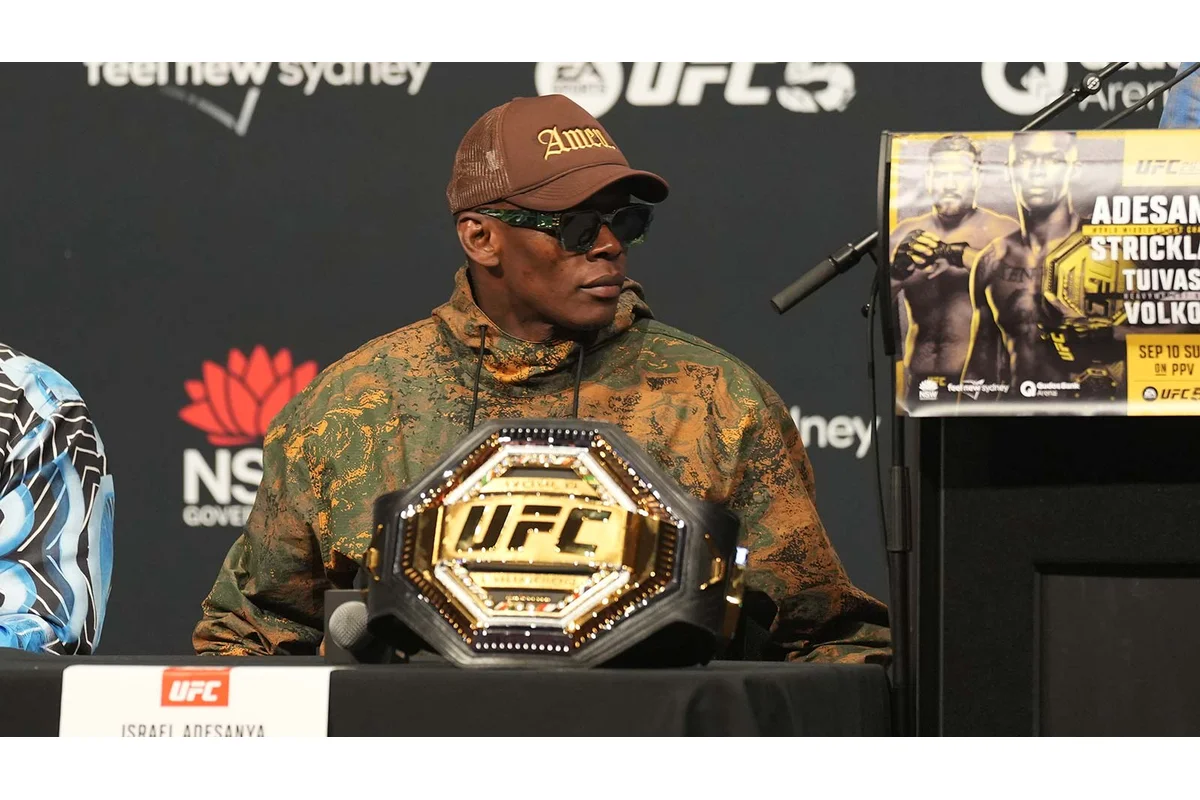
Impact of Benn’s Deal on UFC Fighters’ Perspectives
The staggering $15 million sum for Benn’s single-boxing appearance reflects a shift in financial dynamics, especially as TKO continues expanding its boxing division alongside the UFC. Many fighters inside UFC are now closely scrutinizing these developments, questioning the ceiling of their possible compensation. Benn’s agreement, while a one-off event modeled after big fights like Canelo Alvarez versus Terence Crawford, has nevertheless set a new benchmark in the eyes of athletes.
Sean O’Malley Voices Surprise Over Pay Disparity
Another prominent UFC figure, former bantamweight champion Sean O’Malley, expressed disbelief regarding Benn’s payout during an online discussion. He admitted,
“For me, it’s so hard to believe… I can’t imagine it being true. Zuffa Boxing is like they’re paying out. I don’t even know who Conor Benn is. He’s supposed to be a pretty big name in boxing, but I’ve never heard of him.”
Despite his significant popularity and strong social media presence, O’Malley highlighted the stark contrast between UFC fighter earnings and Benn’s reported purse. He noted the extensive effort required to build a UFC career — including developing a personality, captivating audiences, and leading fight cards — and then candidly admitted:
“I’m not f—ing making $15 million a fight.”
Questions Arise About Unified Pay Structures Under One Corporate Roof
The reaction from fighters like Israel Adesanya and Sean O’Malley signals more than just envy over one athlete’s contract; it raises a broader issue about pay parity within TKO Group Holdings. Operating both UFC and Zuffa Boxing, the parent company holds the potential to harmonize fighter compensation across MMA and boxing, but current disparities remain stark.
As combat sports evolve within this combined promotional landscape, UFC fighters are increasingly vocal about expectations for equitable treatment and higher earnings. The Benn deal, backed by Saudi partners and linked to marquee events, sets a high financial precedent that may influence future negotiations and fighter demands in both disciplines.
Broader Context: UFC and TKO’s Growing Influence in Combat Sports
These discussions come amidst ongoing scrutiny around fighter pay, highlighted by the UFC’s recent $375 million antitrust settlement addressing compensation concerns. Simultaneously, TKO Group Holdings has been aggressive in expanding Zuffa Boxing’s presence, leveraging substantial financial backing to attract prominent fighters and host major events.
The coexistence of boxing and MMA under one corporate entity blurs traditional boundaries between the sports. This confluence has sparked debates about how fighter pay scales may evolve, especially when athletes in both spheres operate under the same organizational umbrella. It also intensifies conversations around fairness, athlete value, and corporate responsibility in combat sports compensation.
Fighters’ Pay Debates Signal Possible Changes Ahead
While Conor Benn’s $15 million payday remains an isolated instance connected to specific business partnerships and high-profile fights, the dialogue around it clearly resonates with UFC athletes striving for better financial terms. Israel Adesanya’s vocal call for $15 million fights in the UFC spotlights the ongoing tensions within fighter compensation and points to potential shifts if organizations prioritize aligning pay structures.
This pay debate could influence upcoming contract negotiations, athlete activism, and organizational strategies at TKO Group Holdings. As fighters demand recognition of their contributions and seek fair remuneration, the industry may see increased pressure to bridge the gap between boxing and MMA, possibly reshaping the economics of combat sports for years to come.
Israel Adesanya reacts to Zuffa Boxing paying Conor Benn $15M for one fight:
"We know these [boxers] are the best in the world at what they do, but so are we. This is the UFC. We love ultimate fighting, not limited fighting.
F**k it, I want $15 million for one fight too."
(via… pic.twitter.com/bNV6zxlwzN
— Championship Rounds (@ChampRDS) March 4, 2026
