
The trend of ex-NBA players attempting to return to college basketball is raising significant controversy, with Amari Bailey as the latest figure in this unfolding debate. On February 9, 2026, it was reported that Bailey, once a 2023 second-round draft pick by the Charlotte Hornets and currently an NBA free agent, is considering legal routes to regain college eligibility, despite having played professionally for two years. This discussion around Bailey’s potential comeback highlights ongoing tensions about the integrity of college basketball eligibility rules.
Bailey’s situation is unprecedented, as he participated in 10 NBA games during his rookie season, totaling 65 minutes on court. Normally, such professional experience disqualifies players from NCAA competition. The NCAA has firmly stated that Bailey is ineligible to return because of his professional contract and game appearances.
Aliyah Boston and Candace Parker Voice Strong Criticism on Player Returns
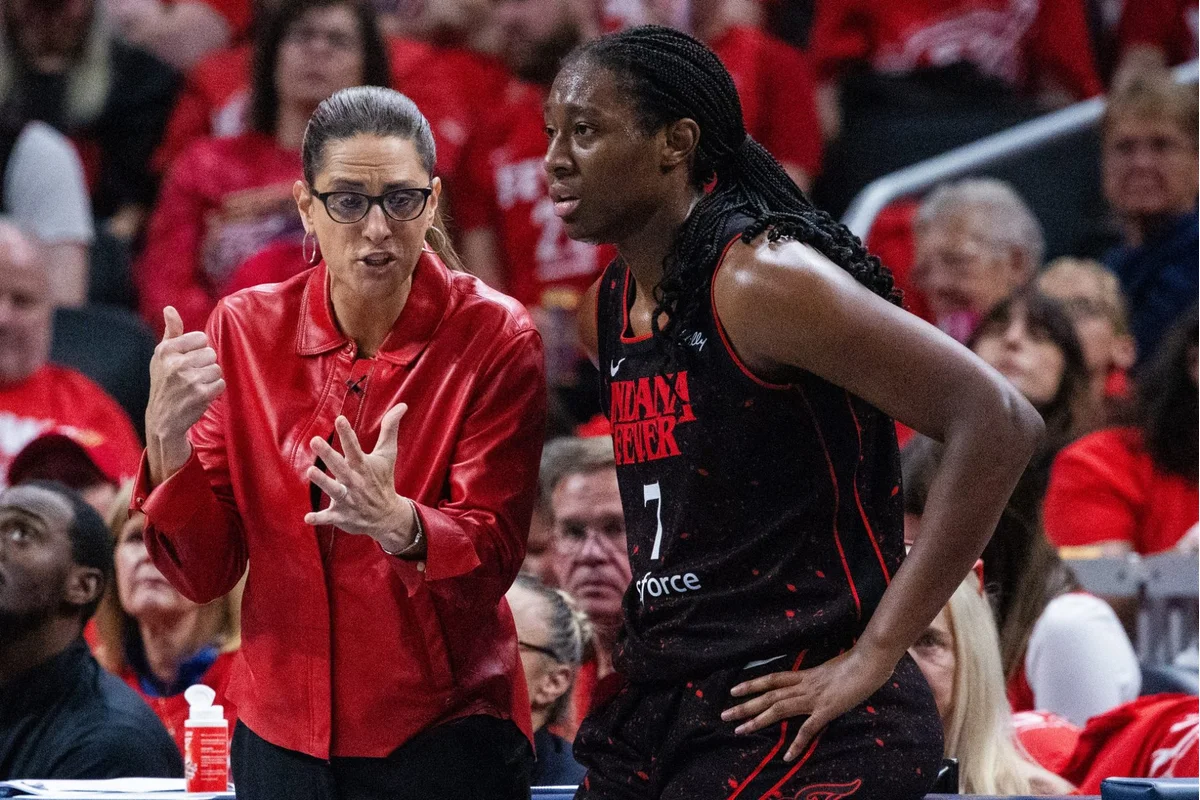
Indiana Fever star Aliyah Boston and former WNBA player Candace Parker addressed this controversy on their “Post Moves” podcast. They expressed frustration over the absurdity of athletes with NBA and G League experience seeking to rejoin college teams.
Boston stated emphatically,
“That’s just crazy. You have played in the NBA, and you’ve played in the G League for two years. There’s no way you can go back and hoop.”
She underscored concerns about the slippery slope this sets, asking,
“Where does it stop” is my question. I’m not hating the player, I’m hating the game!”
– Aliyah Boston, WNBA Player
Legal Battles Could Redefine NCAA Eligibility Rules
The case of Charles Bediako, another former NBA G League player pursuing college eligibility through legal channels, has intensified speculation. If Bediako secures a positive outcome in court, it may pave the way for Bailey and others to challenge NCAA decisions in similar fashion. Notably, Bailey has already arranged a visit to Grand Canyon University while exploring his college basketball options.
Should Bailey succeed, he would become the first player with actual NBA game experience to return to the college ranks, potentially reshaping the NCAA’s approach to professional experience and amateurism.
Aliyah Boston Highlights Potential WNBA Player Implications Amid CBA Deadlock
Boston also drew parallels between this issue and the ongoing Collective Bargaining Agreement (CBA) stalemate in the WNBA, where contract negotiations have stalled over revenue sharing and salary cap matters. The unresolved dispute threatens a lockout and delays the 2026 season’s start.
Because Boston and several WNBA peers retained NCAA eligibility due to the canceled COVID-19 season, she pointed out they could technically return to college play if the league’s impasse drags on. Candace Parker confirmed she still has eligibility remaining from her time at Tennessee.
The possibility of WNBA stars temporarily rejoining college basketball teams as a stopgap during CBA uncertainty adds another layer of complexity to the debate on eligibility and professional transition.
Broader Ramifications for College and Professional Basketball
This evolving dispute exposes critical questions about the boundaries between amateur and professional status in basketball. The NCAA, long protective of its eligibility standards, faces growing challenges as athletes’ career paths become less linear and more fluid between leagues.
The increasing willingness of former professionals and active players with NCAA ties to pursue college returns during contractual or legal limbo threatens to transform the traditional landscape of college basketball. Sports organizations, leagues, and governing bodies will likely need to reconsider current eligibility definitions to adapt to these shifts.
For Aliyah Boston and fellow athletes invested in maintaining fairness and competitive integrity, the debate over Amari Bailey’s potential comeback is a flashpoint representing larger struggles in sports governance and athlete rights.
"Where does it stop" is my question. I'm not hating the player, I'm hating the game!" 😯
Candace Parker and Aliyah Boston react to former Charlotte Hornets guard Amari Bailey’s potential return to college and what it could mean for the future of the NCAA. pic.twitter.com/w3E7lIBOPi
— Post Moves with Candace Parker & Aliyah Boston (@PostMovesShow) February 8, 2026
