
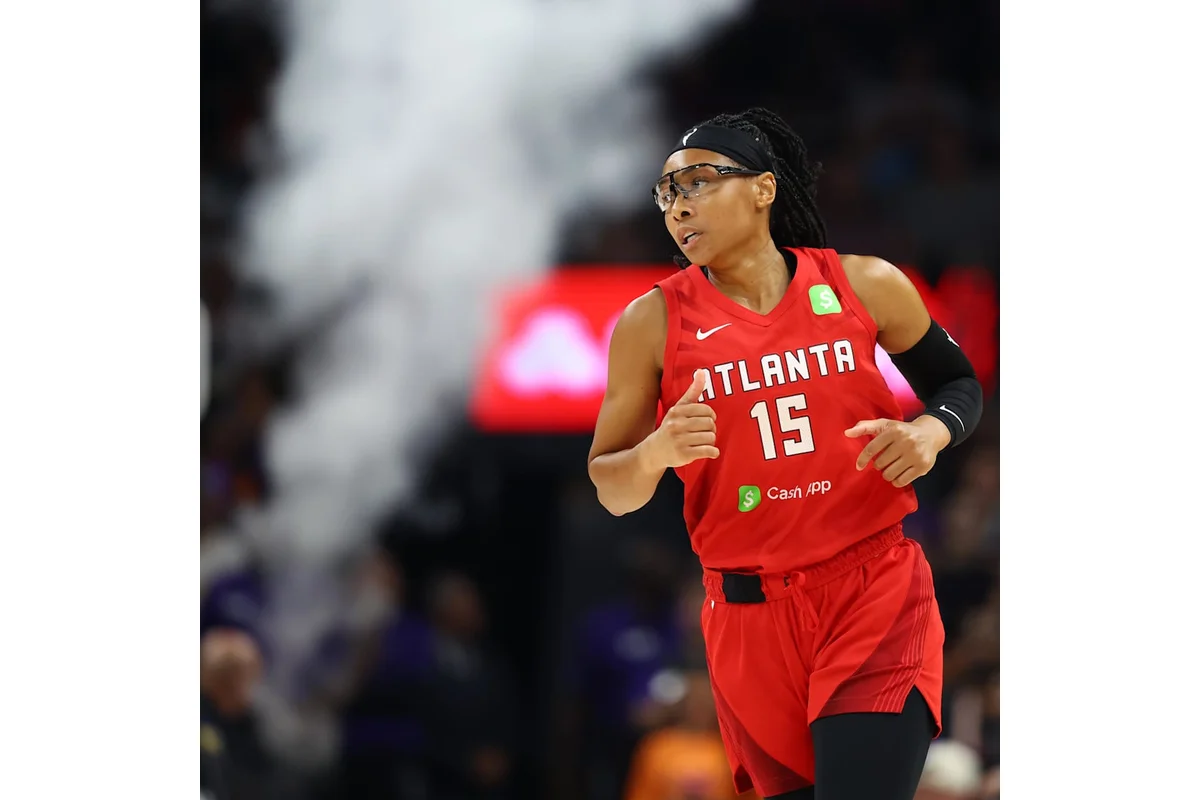
Allisha Gray of the Atlanta Dream earned an amount from skill challenges and competitions that rivals her WNBA salary, underscoring the ongoing pay disparities in professional women’s basketball. As WNBA players negotiate a new collective bargaining agreement (CBA) amid threats of a delayed 2026 season, Gray’s supplemental earnings demonstrate both the creativity players use to increase their income and the pressing need for fairer compensation within the league.
How Allisha Gray’s Challenge Prizes Compare to Her Season Salary
During the 2024 WNBA All-Star Weekend, Gray claimed victory in both the 3-point contest and the skills challenge, earning a combined total of $115,150 — $5,150 from the league and an additional $110,000 sponsored by Aflac. Given her 2024 WNBA season salary of $185,000, these challenge winnings accounted for a substantial portion of her overall income.
In 2025, while Gray did not repeat as champion in All-Star events, she secured further earnings by reaching the finals in Unrivaled’s 1-on-1 tournament and winning the league’s second free-throw challenge, each awarding $50,000. These combined $100,000 in challenge prizes comprised more than one-third of her WNBA salary for the year, demonstrating how offcourt competitions have become a critical revenue source for her.
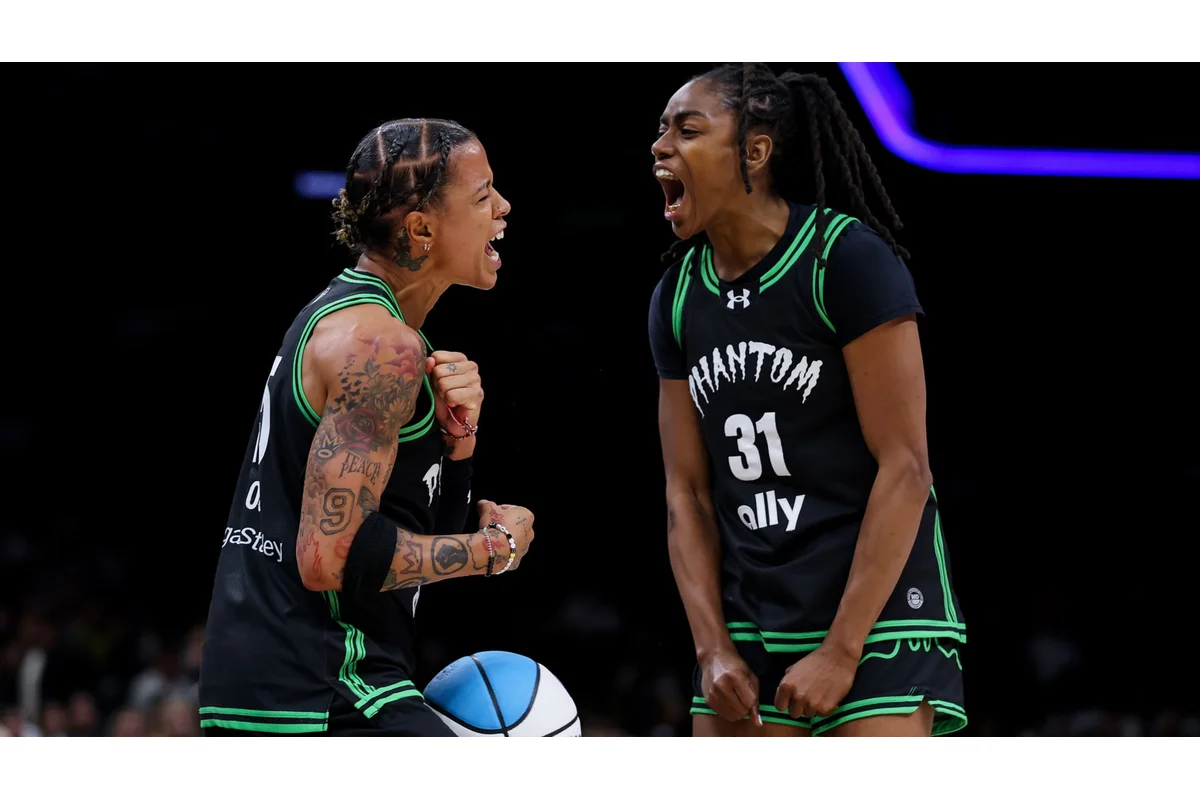
Altogether, Gray’s challenge earnings across the 2024 All-Star Weekend and the current Unrivaled season have matched or exceeded the full amount of her most recent contract salary, a reflection of the gap between performance-based rewards and standard league pay.
Ongoing Collective Bargaining Talks Signal Potential Rise in Player Salaries
The WNBA and the Women’s National Basketball Players Association (WNBPA) are currently embroiled in negotiations over a new CBA, which if agreed upon, promises significant increases in player salaries and improved benefits including better retirement options and a revised revenue-sharing model. However, disagreement remains over the percentage of league revenue that players should receive, with discussions stalled despite some concessions by the players’ union.
Amid concerns that these negotiations could postpone the 2026 season, the deadline to finalize a deal is approaching rapidly, with March 10 set as the target date. Expectations are high that many players will see salaries rise dramatically, with some contracts reaching the million-dollar mark, transforming earning potential within the league and possibly affecting team compositions and superteams.
Examining the Broader Impact of Pay Discrepancies in Women’s Basketball
The earnings disparity highlighted by Allisha Gray’s success in offcourt competitions illustrates the systemic challenges WNBA players face in earning a living wage solely through their salaries. Many athletes supplement their income through overseas play, broadcasting, or coaching, but challenge winnings offer an unconventional alternative. The spotlight on these earnings intensifies calls for a fairer CBA that adequately compensates players for months of physical and mental dedication on the court.
Should the new CBA be ratified in time for the 2026 season, the WNBA could enter a new era of financial growth, enhancing player welfare and competitiveness. Until then, the financial realities experienced by individuals like Gray underscore the urgency for resolution in ongoing negotiations.
