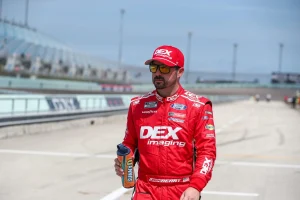
Wood Brothers Racing Overview
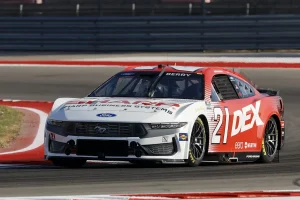
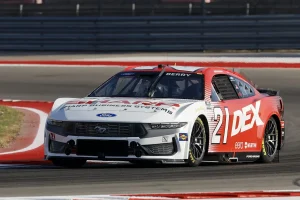
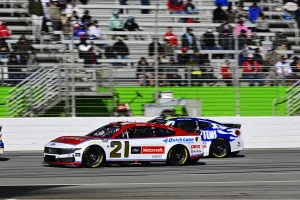
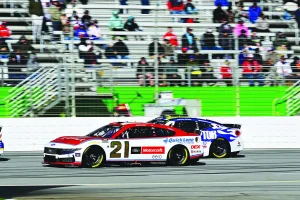
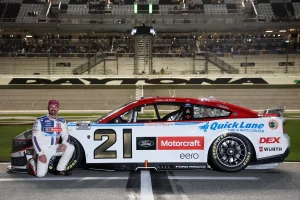
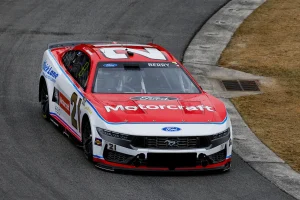
Wood Brothers Racing is an American professional stock car racing team that competes in the NASCAR Cup Series. Founded in 1950 by brothers Glen, Leonard, Delano, Clay, and Ray Lee Wood, the team stands as the oldest active organization in NASCAR history. Headquartered in Stuart, Virginia, with additional operations in Mooresville, North Carolina, Wood Brothers Racing has been a cornerstone of American motorsports for over seven decades. The team is currently owned by Len Wood, Eddie Wood, Keven Wood, Jordan Wood, and Hicks Jon Wood, representing the third generation of the Wood family. Wood Brothers Racing maintains a legendary technical alliance with Team Penske and a enduring partnership with Ford Motor Company, fields the iconic No. 21 Ford Mustang, and currently features driver Josh Berry behind the wheel. The organization is renowned for pioneering innovations that transformed racing, most notably inventing the modern pit stop methodology used across all motorsports disciplines.
Founding and Organizational Origins
The Wood Brothers Racing Team originated in the Blue Ridge Mountains of Southwest Virginia. Walter and Ada Wood, who operated a family farm near Woolwine and Stuart, Virginia, raised five sons—Glen, Leonard, Delano, Clay, and Ray Lee—along with their daughter, Crystal. The brothers worked alongside their father as mechanics, farmers, and lumbermen, with Glen Wood cutting timber and hauling lumber to local sawmills while developing their automotive skills in their father’s garage. Inspiration came from Curtis Turner, a neighboring sawmill operator and champion racecar driver celebrated for his aggressive “win or crash” driving style. Turner, who later co-owned Charlotte Motor Speedway, eventually became a driver for the Wood Brothers.
In the early 1950s, the brothers purchased their first race car for $50 and initially numbered it 50, years before adopting their legendary No. 21. Chris Williams and Glen Wood each drove in a few races, and the team quickly found success, winning at Bowman Gray Stadium in Winston-Salem, North Carolina, and Martinsville Speedway in Martinsville, Virginia. After Williams sold his share to focus on his lumber business, the brothers enlisted local friends and family to fill various team roles. Over time, what began as a weekend hobby evolved into a full-time enterprise, with Glen and Leonard working dedicatedly on building and preparing race cars while other brothers and crew members contributed during evenings and weekends alongside their regular employment.
Growth Into NASCAR Cup Series Competition
As the team gained recognition, they permanently adopted the No. 21, creating what would become one of the most iconic car numbers in American motorsports history, alongside Petty’s No. 43 and Earnhardt’s No. 3. Attracted by substantial cash prizes at superspeedway events in cities like Daytona, Charlotte, and Darlington, the Wood Brothers shifted their focus toward major competitions. Glen Wood stepped back from driving duties, and the team began recruiting proven winners to pilot the No. 21 Ford at various tracks.
Leonard Wood’s exceptional talent in engine work soon earned the team acclaim, rivaling legendary operations like Holman-Moody and the Petty racing dynasty. The team revolutionized motor racing by inventing the modern pit stop. In earlier racing eras, drivers would stop their cars, step out, and sometimes smoke cigarettes while crews changed tires and serviced vehicles. The Wood Brothers recognized that minimizing time off the track could improve racing positions, developing the pit stop methodology that is now standard across all racing disciplines. Their speed and precision attracted international attention, leading to a 1965 invitation from Ford to support the Lotus-Ford team at the Indianapolis 500, where their pit work contributed to Jim Clark’s victory that year.
Wood Brothers Racing Competitive Journey
Wood Brothers Racing has competed continuously in NASCAR’s top series since 1953, accumulating 1,813 Cup Series starts and 101 victories over their storied history. The organization has fielded cars across 1,890 total races, including ventures into the NASCAR Craftsman Truck Series from 2006 to 2008. Throughout the decades, the team has developed a reputation as a premier talent development organization, with nearly every rookie driver completing a full season with the No. 21 car earning at least one victory during their tenure.
Early Seasons and Development (1953–1971)
The team’s early years established a foundation of innovation and competitive excellence. After their Indianapolis 500 triumph with Jim Clark in 1965, Wood Brothers Racing gained international acclaim as motorsport pioneers. Featured in Sports Illustrated and other major publications, they assembled a top-tier roster of drivers including Curtis Turner, Marvin Panch, Fireball Roberts, Parnelli Jones, Tiny Lund, Junior Johnson, Speedy Thompson, Fred Lorenzen, and Cale Yarborough. The team also fielded a second car, the No. 121, in select events, with open-wheel star Dan Gurney dominating every race he entered for them, including victories at Riverside International Raceway from 1963 through 1968. By the 1968 season, the Wood Brothers earned over $160,000 in single-season winnings, a remarkable figure for that era.
During the early 1970s, the team maintained its prominence with the No. 21 car, known for lightning-quick pit stops and powerful engines that posed formidable challenges to competitors. Legendary drivers Donnie Allison and open-wheel Indy 500 winner A.J. Foyt took turns behind the wheel. As the team expanded its racing schedule and travel demands, the organizational structure evolved, with Glen Wood emerging as the team’s patriarch and leader. His young sons, Eddie and Len, began working in the shop in entry-level positions, eventually rising to leadership roles that would define the team’s future.
David Pearson Era and the NASCAR Triple Crown (1972–1979)
In 1972, David Pearson became the full-time driver of the No. 21 car, launching one of motorsports’ most successful driver-team partnerships. From 1972 to 1979, the team competed in 143 races, securing 46 wins and 51 pole positions, with earnings exceeding $1.3 million. This partnership elevated Wood Brothers Racing to unprecedented heights, with the team consistently competing at the highest levels of the sport.
In 1976, with Pearson driving, the Wood Brothers achieved NASCAR’s prestigious “Triple Crown” by winning the Daytona 500, the World 600 at Charlotte, and the Southern 500 at Darlington—all in the same season. This remarkable accomplishment solidified their place among the greatest teams in motorsports history. Due to their remarkable success and exemplary conduct as ambassadors of the sport, the Wood Brothers received an invitation to the White House in the late 1970s at the request of President Jimmy Carter, a historic moment for the brothers from their small Virginia hometown. During this era, the team was frequently compared to top athletes from other major sports, including baseball legend Reggie Jackson, football stars Terry Bradshaw and Franco Harris, and basketball icons Julius Erving and Kareem Abdul-Jabbar.
Transition Years and Veteran Drivers (1980–1999)
The 1980s brought significant changes to both NASCAR and the No. 21 team. Following David Pearson’s departure, rising star Neil Bonnett from Hueytown, Alabama, joined the team as part of the legendary “Alabama Gang.” The Bonnett-Wood partnership spanned three and a half seasons and 83 races, achieving nine victories and over $700,000 in winnings. After Bonnett’s departure, the team navigated through several driver changes, including stints with Buddy Baker, Bobby Rahal, and eventually Kyle Petty, the grandson of legendary Lee Petty and son of series dominator Richard Petty.
Kyle Petty drove the No. 21 car full-time in 1985, marking the first partnership between the two most successful racing families in NASCAR history. During this period, the team adopted the No. 7 for sponsorship alignment with 7-Eleven before returning to their traditional No. 21 in 1987, winning the Coca-Cola 600 at Charlotte Motor Speedway. After Petty’s departure, the team brought back Neil Bonnett, but their reunion was cut short when Bonnett suffered serious injuries at Darlington Raceway in 1989, leaving the seat to be filled by Dale Jarrett.
Modern Era and Technical Alliances (2000–2010)
The 2000 season marked Wood Brothers Racing’s 50th anniversary, celebrated with a special ceremony honoring their achievements. That year, Glen Wood and Leonard Wood were inducted into the prestigious Motorsports Hall of Fame of America. In 2001, Elliott Sadler secured the team’s first victory at Bristol Motor Speedway, marking the Wood Brothers’ first win in eight years. The partnership with Sadler lasted 139 races—the longest single stint for a No. 21 driver since David Pearson—yielding one victory and over $9 million in earnings across four seasons.
The team strengthened its technical capabilities through an alliance with Roush Racing, gaining access to engineering and engine resources that enabled competition against dominant multi-car organizations. In 2004, recognizing that all competitive teams operated near Charlotte, North Carolina, the Wood Brothers relocated their main operations to Mooresville while maintaining their Stuart facility as a museum and secondary location. This strategic move provided better access to personnel and technology in the heart of NASCAR racing. Following Ricky Rudd’s three-season tenure, veteran Ken Schrader drove the No. 21 in 2006 as part of a new partnership with JTG Daugherty Racing.
Recent Success and Current Program (2011–Present)
Wood Brothers Racing celebrated a major milestone on February 20, 2011, when Trevor Bayne won the Daytona 500 at age 20, marking the team’s first victory since Elliott Sadler’s Bristol win in 2001. This triumph brought significant additional sponsorship and renewed attention to the historic organization. In 2015, Ryan Blaney took over the No. 21 car, establishing a technical alliance between Wood Brothers Racing and Team Penske. Blaney returned for a full-time season in 2016—the team’s first since 2008—and achieved their first win since the 2011 Daytona 500 by capturing the Axalta Presents the Pocono 400 in 2017.
The partnership with Team Penske continued yielding results, with drivers including Paul Menard, Matt DiBenedetto, and Harrison Burton taking turns in the No. 21. In 2024, Burton secured the team’s first career victory at the Coke Zero Sugar 400, marking the historic 100th win for Wood Brothers Racing. Josh Berry then took over driving duties in 2025 and achieved the 101st victory for the organization at Las Vegas Motor Speedway. This marked the first back-to-back winning seasons for the Wood Brothers since 1986 and 1987. The team operates with current ownership under Len Wood, Eddie Wood, Keven Wood, Jordan Wood, and Hicks Jon Wood, maintaining the No. 21 Ford Mustang program with manufacturer support from Ford Motorcraft and technical partnership through Team Penske.
Philosophy and Competitive Strengths
Wood Brothers Racing built its legacy on precision, innovation, and the ability to develop talent. The organization’s founding philosophy centered on minimizing time off the track through efficient pit work—a revolutionary approach that became the industry standard. This commitment to operational excellence, combined with strong technical partnerships and a heritage of nurturing promising drivers, has kept the team competitive across multiple generations of NASCAR competition.
Key Milestones and Major Moments
Throughout their history, Wood Brothers Racing achieved numerous landmark moments, including the 1976 NASCAR Triple Crown with David Pearson, the 2011 Daytona 500 victory with Trevor Bayne, and the 2017 Pocono victory with Ryan Blaney. The organization celebrated its 100th Cup Series win with Harrison Burton in 2024 and its 101st victory with Josh Berry at Las Vegas in 2025. The team’s 1,813 Cup Series starts and 119 pole positions underscore its enduring presence and competitiveness in NASCAR’s top division.
Wood Brothers Racing Achievements and Results
Wood Brothers Racing has accumulated 101 total victories across NASCAR Cup Series competition, along with 120 pole positions, demonstrating consistent competitive excellence spanning more than seven decades. The organization has fielded cars in 1,813 Cup Series races and achieved notable successes across multiple racing disciplines, including participation in the Indianapolis 500 and Craftsman Truck Series.
NASCAR Cup Series Achievements
The Wood Brothers’ Cup Series record includes 101 victories, highlighted by their 1976 Triple Crown campaign with David Pearson and their 2011 Daytona 500 win with Trevor Bayne. The team’s partnership with drivers like Dale Jarrett, Elliott Sadler, and Ryan Blaney produced additional landmark victories, including Blaney’s 2017 Pocono win that ended a six-year drought. The organization has maintained its technical alliance with Team Penske while continuing to develop emerging talent in the Ford-powered No. 21 program.
Conference Achievements
Throughout NASCAR’s playoff era, Wood Brothers Racing has maintained competitiveness within the Cup Series standings, advancing drivers to the playoff rounds on multiple occasions. Ryan Blaney’s 2017 Round of 8 finish and the team’s consistent top-ten performances have kept the historic organization relevant among NASCAR’s premier teams.
Divisional Achievements
While Wood Brothers Racing has concentrated primarily on Cup Series competition, the organization has demonstrated versatility across racing disciplines. The team achieved notable success in select superspeedway events and road course competitions, with drivers like Dan Gurney dominating every road course event entered during the 1960s.
Series Achievements
Beyond the Cup Series, Wood Brothers Racing expanded into the Craftsman Truck Series from 2006 to 2008 through a partnership with JTG Daugherty Racing. The organization also gained international recognition in 1965 when they were hired to handle pit stops for the Lotus-Ford team at the Indianapolis 500, contributing to Jim Clark’s victory in that prestigious event—a first for a NASCAR stock car crew servicing an IndyCar team.