
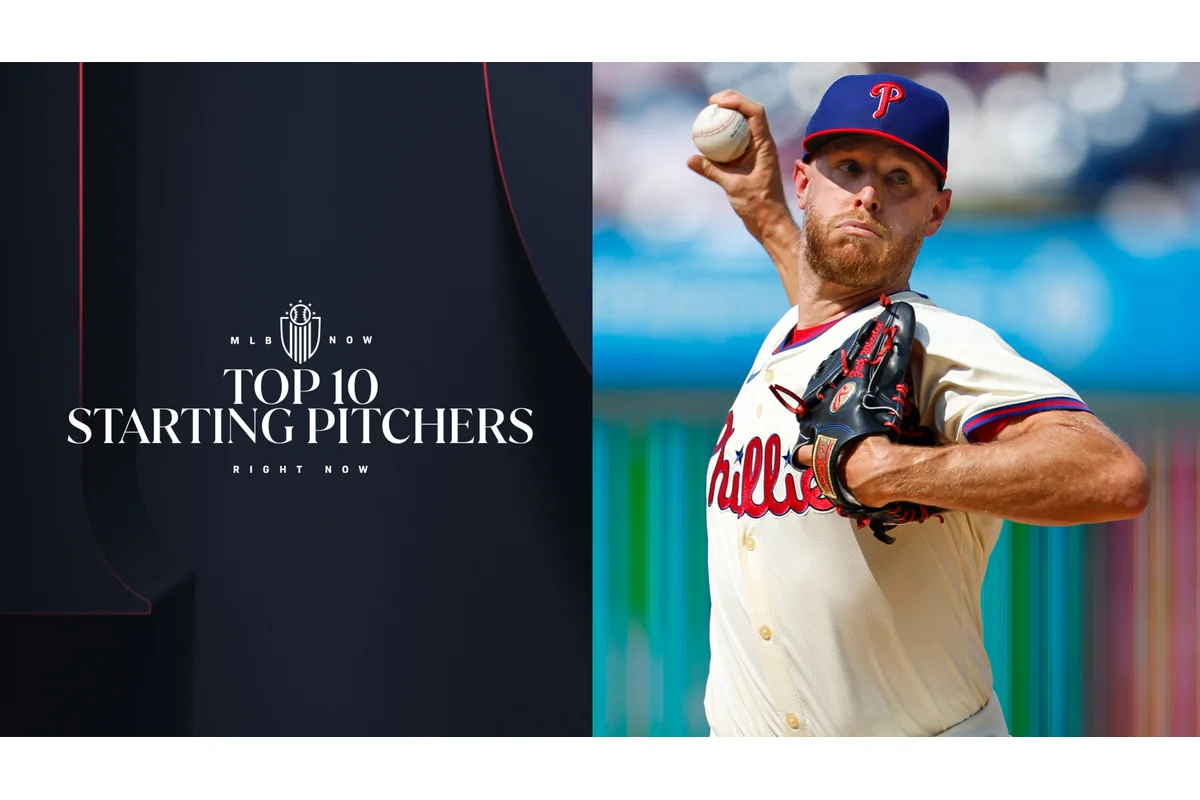
Zack Wheeler, the Philadelphia Phillies starting pitcher, faces a complicated injury situation that has significant implications for fantasy baseball managers preparing their 2026 drafts. In September 2025, Wheeler was diagnosed with venous thoracic outlet syndrome and a shoulder blood clot, leading to surgery and an initial recovery timetable of around eight months. Though early reports noted he had begun throwing from 75 feet and might return near the start of the 2026 season, the exact timing remains uncertain.
“near the start of the season.”
This ambiguous return window spans from Opening Day to as late as May, leaving fantasy owners to weigh the risks of drafting a pitcher still recovering from a difficult and often unpredictable surgery. Historically, thoracic outlet syndrome recovery has posed challenges for MLB pitchers, with mixed outcomes. While some like Merrill Kelly found success after surgery, others such as Stephen Strasburg never fully regained their pre-injury form. Wheeler’s recovery will be closely watched due to this medical context and his current average draft position around the 36th starting pitcher, or inside the top 140 picks overall, which may be an expensive bet given the uncertainty.
Considering these factors, many fantasy managers may be wary of investing a high draft pick in Wheeler while his health question marks persist.
Reviewing Other Pitchers Expected Back by Early 2026
Shane McClanahan – Tampa Bay Rays
Shane McClanahan missed all of 2024 recovering from Tommy John surgery and was projected to start the 2025 season with the Rays. Unfortunately, a nerve issue during spring training sidelined him for the entire year after a surgery performed by Dr. Steven Shin to address his left triceps nerve. Importantly, this setback is unrelated to his previous injury. Rays’ manager Kevin Cash described McClanahan’s offseason as “really good,” and team president Erik Neander confirmed that he retains “a day in the rotation,” suggesting he should be ready to start in time for Opening Day and pitch regularly on a five-day cycle.
Tampa Bay plans to limit his early-season workload to roughly five innings per start, a conservative approach similar to the one taken with Drew Rasmussen last year, who still delivered solid fantasy output. McClanahan’s career ERA stands at 3.02 with a 1.10 WHIP and a strong 28% strikeout rate, marking him as an elite arm. Assuming some initial rustiness and pitch count restrictions, McClanahan projects as an above-average option once fully healthy. He represents a worthwhile target outside the top 40 starting pitchers for those who already have a stable rotation.
BUY or SELL: BUY AS LONG AS THE PRICE DOESN’T RISE TOO HIGH
Grayson Rodriguez – Los Angeles Angels
Grayson Rodriguez’s 2025 campaign was marred by persistent injuries, including right elbow inflammation in March, a lat strain in April, a re-injury to his elbow in July that necessitated surgery, and a troubling history of three separate right lat strains since 2022. The Baltimore Orioles traded Rodriguez to the Angels during the offseason when his value was low, signaling concerns about his health. Now with a struggling team that lacks a strong track record in pitcher development, the outlook is bleak.
While Rodriguez might be a late-round flyer if available near the end of drafts, he is unsuitable as a top 70 starting pitcher pick given his medical history and current team context.
BUY or SELL: SELL
Joe Musgrove – San Diego Padres
Joe Musgrove underwent Tommy John surgery after injuring himself during the 2024 National League Wild Card round and began throwing bullpens in August. His rehab appears on track for a start-of-season return without strict innings restrictions, which is encouraging. Since 2021, Musgrove posted a 3.20 ERA, 1.11 WHIP, and 25.5% strikeout rate across 559.1 innings, establishing a reliable floor for fantasy formats.
However, as a 33-year-old coming off major elbow surgery without game action in 2025, some regression is probable. He may revert closer to his career 3.73 ERA and a lower strikeout rate around 23%, with an increase in WHIP. His innings limits remain unknown, complicating expectations. Musgrove’s profile makes him a speculative but potentially valuable pickup in deeper leagues, particularly in 15-team formats where his baseline reliability could pay off.
BUY or SELL: BUY IN DEEPER FORMATS ONLY
Reynaldo Lopez – Atlanta Braves
Reynaldo Lopez made only a single start in 2025 before shutting down due to right shoulder inflammation requiring surgery. While the surgery did not reveal structural damage, chronic inflammation has limited Lopez’s workload, with only one season exceeding 66 innings since 2019. He began throwing again by July and was shut down late in the year as the Braves abandoned playoff hopes.
Despite health woes, Lopez recorded a career-best 2024 season and currently has a rotation spot amid other injuries. If healthy during spring training, he is a reasonable late-draft gamble, offering potential upside before another injury setback.
BUY or SELL: BUY AS A FLYER
Pitchers with Unfavorable Health Outlooks: Braxton Garrett, Kutter Crawford, Josiah Gray
These three pitchers face significant injury questions or uncertain timelines heading into 2026. Their combined risk profiles are too great to justify drafting them unless picked up late without expectations.
BUY or SELL: SELL
Pitchers Who Will Miss the Beginning of the 2026 Season
Gerrit Cole – New York Yankees
Gerrit Cole endured right elbow inflammation and nerve issues in 2024, ultimately requiring Tommy John surgery after an additional bout of elbow soreness in March 2025. At 35 years old, facing back-to-back serious arm injuries, Cole presents considerable risk with a tentative return timeline set for late May or early June.
Before injury, Cole’s strikeout rate declined from 27% in 2023 to 25.4% in 2024. Limited innings caps between 110 and 130 are expected going forward. Maintaining a 3.15 ERA and 1.03 WHIP from 2021 onward, post-surgery regression likely pushes those numbers toward a 3.40 to 3.50 ERA with a 25% strikeout rate, making him more a mid-rotation than an elite fantasy ace. Missing two full months diminishes his value in drafts, and managers without IL roster spots are discouraged from selecting him early.
BUY or SELL: BUY AT DISCOUNT IF I HAVE AN IL SPOT
Carlos Rodón – New York Yankees
Carlos Rodón is recovering from an October 2025 surgery to remove elbow bone spurs, aiming for a spring training return and potentially active by late April or early May. However, his injury history includes prior left shoulder surgery, Tommy John surgery in 2019, and a forearm strain in 2023, leading to doubts about him reaching previous innings ceilings.
Previously ranked in the top 25, Rodón’s uncertainty relegates him to later draft consideration, especially if managers can stash him on an IL roster. His ADP positions him around the 60th starting pitcher in major fantasy leagues, making him a worthwhile investment when available at a discount.
BUY or SELL: BUY AT DISCOUNT IF I HAVE AN IL SPOT
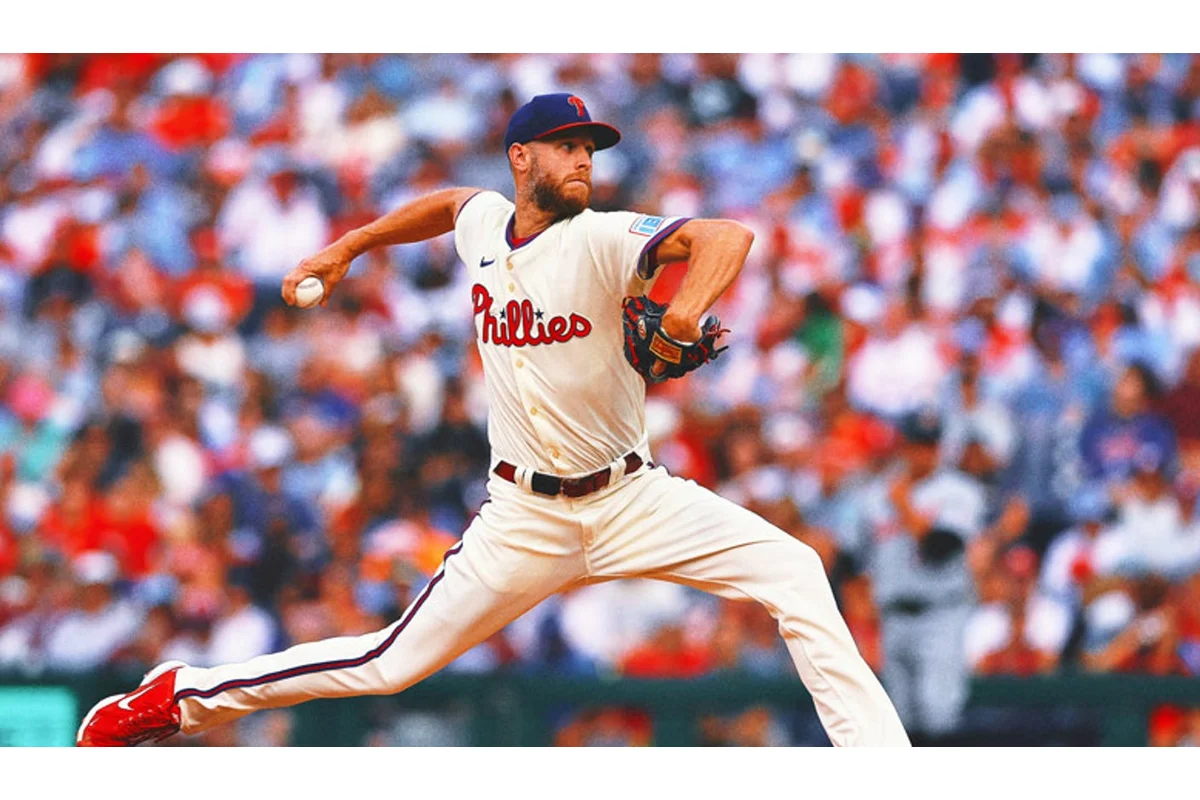
Zack Wheeler – Philadelphia Phillies
Wheeler underwent surgery in September 2025 for venous thoracic outlet syndrome and a shoulder blood clot, initially estimated to require eight months for recovery. Recent updates indicate he has started throwing at shortened distances and could return anywhere between Opening Day and late May.
“near the start of the season.”
The challenge lies in both timing and the difficulty of recovering fully from thoracic outlet syndrome, a condition that has halted or hindered many pitchers’ careers. Examples like Stephen Strasburg and Merrill Kelly show widely varying outcomes. Wheeler’s draft position as the 36th starting pitcher makes him a risky choice given the uncertainty and potential for prolonged absence or diminished effectiveness.
BUY or SELL: SELL
Spencer Schwellenbach – Atlanta Braves
Spencer Schwellenbach showed promise in 2025 before a stress fracture in his elbow, likely tied to his increased velocity, sidelined him. The Braves limited his innings late in the season and eventually placed him on the 60-day injured list due to right elbow inflammation. Surgery is planned, and while the team hopes symptoms stem from bone spurs, the recovery timeline and risk convince many to avoid him this season.
“Spencer Schwellenbach is dealing with right elbow inflammation. The Braves are hoping he’s just dealing with bone spurs. But he’ll miss significant time. He’ll begin the year on the 60-day IL”
– Mark Bowman, MLB Insider
BUY or SELL: SELL
Corbin Burnes – Arizona Diamondbacks
Corbin Burnes had Tommy John surgery in June 2025 and estimates a return around mid-July 2026, targeting the All-Star break. His last season was cut short, and historical precedent shows such recoveries often come with setbacks and limited workload initially. Burnes, with 444 strikeouts over his last 452.1 innings, would likely make fewer than 10 starts in 2026, reducing his value in redraft formats.
BUY or SELL: SELL
Justin Steele – Chicago Cubs
Justin Steele underwent elbow internal brace surgery in April 2025. Though feelings of recovery are positive heading into spring training, a mid-season or late April return seems most likely. Steele’s career stats since 2022 include a 3.18 ERA, 1.20 WHIP, and 24.4% strikeout rate over 450 innings, projecting to a slightly regressed 3.50 ERA with considerable upside as a depth starter in strong rotations.
Despite a vague return timetable, his recent draft position around 96th starting pitcher makes him an attractive, low-risk late-round pick, especially in leagues with IL slots.
BUY or SELL: BUY AT A DISCOUNT
Shane Bieber – Toronto Blue Jays
Former ace Shane Bieber returned from Tommy John surgery and looked effective late in the 2025 season. However, ongoing forearm fatigue has delayed his offseason ramp-up and forced the Blue Jays to place him on the injured list to start 2026. This setback dampens expectations for a full recovery in the near term.
“Blue Jays plan for Shane Bieber to open the season on the injured list. He’s dealing with right forearm fatigue and his ramp-up will be delayed past opening day. He’s feeling good per John Schneider and playing catch, but won’t start the season on time. Described as week to week”
– Ben Nicholson-Smith, Blue Jays Insider
Given this status, Bieber is a risky draft pick for most fantasy managers.
BUY or SELL: SELL
Jared Jones – Pittsburgh Pirates
Recovering from an internal brace procedure completed in May 2025, Jared Jones began throwing in late 2025 and targets a return between March and May 2026. Rumors suggest he might pitch out of the bullpen initially, preserving his arm while contributing incremental stats.
Jones showed promise as a rookie in 2024 but relies heavily on a two-pitch repertoire, which complicates his recovery and effectiveness post-surgery. Velocity inconsistencies further reduce his upside, while command will be critical to success. If available late in drafts at depressed ADP values with an IL roster spot, he can be considered as a speculative add in deeper leagues.
BUY or SELL: BUY IN IL LEAGUES IF ADP REMAINS DEPRESSED
Jackson Jobe, Clarke Schmidt, DJ Herz – Injury Concerns Lead to Avoidance
Jackson Jobe, recovering from Tommy John surgery, showed weak strikeout ability in 2025 and is unlikely to return until the second half of 2026. Clarke Schmidt had internal brace surgery mid-2025 and will miss the entire first part of 2026. DJ Herz suffered Tommy John surgery in early 2025 and is in a rebuilding phase with no clear timeline for return. These factors render all three high-risk picks unworthy for redraft leagues.
BUY or SELL: SELL
Starters with Uncertain Timelines But Possible Spring Training Returns
Pablo Lopez – Minnesota Twins
Pablo Lopez battled lat and forearm strains in 2025 but avoided surgery and is expected to be healthy by Opening Day 2026. He posted a 2.74 ERA and 1.11 WHIP in 75.2 innings last year with diminished strikeout numbers but still has potential for improvement. Lopez projects to reach around 150 innings and holds a top-25 starter designation in many rankings given his upside.
BUY or SELL: BUY
Nathan Eovaldi – Texas Rangers
Nathan Eovaldi was sidelined in August 2025 with a rotator cuff strain and underwent sports hernia surgery in the offseason. He has reported feeling healthy heading into spring training and though rotator cuff injuries are concerning, Eovaldi has a history of solid production in limited innings. His draft price remains modest, making him a savvy pick with expectations limited to partial but effective seasons.
BUY or SELL: BUY
Brandon Woodruff – Milwaukee Brewers
Brandon Woodruff faced multiple setbacks in 2025, including shoulder capsule surgery and a lat strain that ended his postseason. When healthy, Woodruff is a strong fantasy pitcher with a 3.20 ERA, 0.91 WHIP, and 32% strikeout rate in 64.2 innings before injury. Concerns about his late-season injuries and innings limits place him as a risky pick at his current draft cost.
BUY or SELL: SELL AT CURRENT COST
Kris Bubic – Kansas City Royals
Kris Bubic showed promise in 2025 but missed time due to a rotator cuff strain. With a history of shoulder injuries and Tommy John surgery, his innings maximum appears capped around 130 innings annually. Bubic can be considered a value pick only if the draft price is discounted due to injury risks.
BUY or SELL: BUY IF THERE’S A DISCOUNT
Kodai Senga – New York Mets
Kodai Senga endured a hamstring injury in June that sidelined him for a month, followed by inconsistent performance and a minor league demotion in August. Despite those struggles, he posted a solid 3.02 ERA in 113 innings in 2025 and owns an elite pitch—the Ghost Fork. None of his injuries impacted his arm, and he has a secure rotation spot, making him a compelling value pick to regain effectiveness in 2026.
BUY or SELL: BUY
Grant Holmes – Atlanta Braves
Grant Holmes was diagnosed with a partial UCL tear in August 2025 and opted against surgery, choosing rehabilitation instead. Though the Braves assert he will be healthy for spring training, the risk of recurrence is significant, especially for a player with moderate upside.
BUY or SELL: SELL
Spencer Arrighetti – Houston Astros
Spencer Arrighetti entered 2025 with strong projections but suffered a thumb fracture and later an elbow strain that ended his season. Returning to a crowded Astros rotation, his future role is uncertain, and the lost developmental year impacts confidence in drafting him in 2026.
BUY or SELL: SELL
Zach Eflin – Baltimore Orioles
Zach Eflin experienced multiple injuries in 2025, including lat and back problems, culminating in lumbar microdiscectomy surgery during the offseason. While back injuries are concerning for a 32-year-old pitcher, surgery correction offers hope for a return to his previous level. Eflin has been a reliable 3.50 ERA, 22% strikeout rate, and 1.10 WHIP pitcher in healthy seasons, making him a viable buy heading into 2026.
BUY or SELL: BUY
Additional Starting Pitchers Facing Health Questions
Other pitchers with injury concerns include Max Meyer (Miami Marlins) and Sawyer Gipson-Long (Detroit Tigers), both recommended as sells due to risk. Conversely, Hunter Dobbins and Richard Fitts of the St. Louis Cardinals are considered buy targets in deeper formats given their upside potential but uncertain health statuses. Pitchers like Jacob Lopez (Athletics) and Patrick Sandoval (Boston Red Sox) also fall under sell recommendations due to ongoing issues and unclear recovery.
Why Understanding Zack Wheeler’s Injury Risk Matters
The zigzag of potential returns, injury history, and uncertain timelines among many pitchers including Zack Wheeler underscores the painful dilemma fantasy managers face each offseason. While historically some owners have sought value by targeting injured starters at lower prices, recent trends reveal this strategy frequently backfires, leading to minimal returns or lost roster spots. Wheeler exemplifies this challenging calculus—with hope shadowed by caution, his uncertain status is emblematic of a broader injury-laden landscape.
For fantasy managers navigating the 2026 season, weighing injury risk against opportunity means balancing roster construction carefully, favoring established durability or low-risk upside players until clearer health information emerges. Buyers of injury-prone pitchers like Wheeler must demand considerable discounts or IL roster spots, while sellers aim to convert fragile assets into more reliable alternatives. This collective risk management shapes season strategies, underscoring why Wheeler’s case remains pivotal in offseason discussions.
Spencer Schwellenbach is dealing with right elbow inflammation. The Braves are hoping he’s just dealing with bone spurs. But he’ll miss significant time. He’ll begin the year on the 60-day IL
— Mark Bowman (@mlbbowman) February 10, 2026
Blue Jays plan for Shane Bieber to open the season on the injured list.
He’s dealing with right forearm fatigue and his ramp-up will be delayed past opening day. He’s feeling good per John Schneider and playing catch, but won’t start the season on time. Described as week to week
— Ben Nicholson-Smith (@bnicholsonsmith) February 10, 2026
