

The 2026 Major League Soccer season is set to kick off with all 30 teams debuting fresh kits designed by Adidas. Abandoning the repetitive templates that previously dominated the league’s apparel, each club has embraced a unique approach that highlights distinct visual identities, reflecting both local influences and bold creativity. This year’s MLS 2026 jersey rankings explore which teams nailed their new looks and who fell short.
Top-Ranked Jerseys Revisit Tradition and Bold Identity
The New England Revolution lead the rankings by delivering a design that nostalgically echoes the league’s 1996 origins. This kit pays tribute to the United States’ 250th anniversary—captured through a red, white, and blue starburst pattern—embodying the team’s historical significance and patriotic symbolism. Their jersey channels the spirit of the Revolution militia and reflects MLS’s inaugural era, offering a distinctly American soccer heritage statement.
LAFC secures second place with a striking kit entrenched in the club’s signature art deco style. Moving away from merely black and gold palettes, the new design confidently embraces boldness rooted in Los Angeles culture. This kit not only stands apart in the league but also perfectly embodies the LAFC brand’s aesthetic strength and urban identity.
San Jose Earthquakes rank third with a creative nod to the Bay Area’s iconic Grateful Dead roots. While tie-dye is an unconventional choice for soccer jerseys, the Quakes manage to balance uniqueness with tradition by incorporating blue and black details on a white backdrop. This kit stands as an imaginative homage that successfully ties the team to regional culture without seeming out of place.
Marked Designs Inspired by Historic Successes and Purpose
CF Montréal’s fourth-ranked jersey channels inspiration from the club’s 2015 squad—a team remembered for its Concacaf Champions League final appearance and playoff success against Toronto FC. Though visually distinct from that prior kit, the current design pairs well with the club’s pro-cancer partnership, representing an effective mixture of good design and social awareness.
In fifth place, New York City FC presents its best secondary shirt yet, breaking free from prior missteps. The navy jersey’s understated elegance differentiates itself from the typical City Football Group templates. With silver stripes, sponsor integration, and a minimalist crest, NYCFC’s new kit exudes originality and class, promising a fresh and sophisticated look on the pitch.
Honoring Origins with Subtle Design Elements
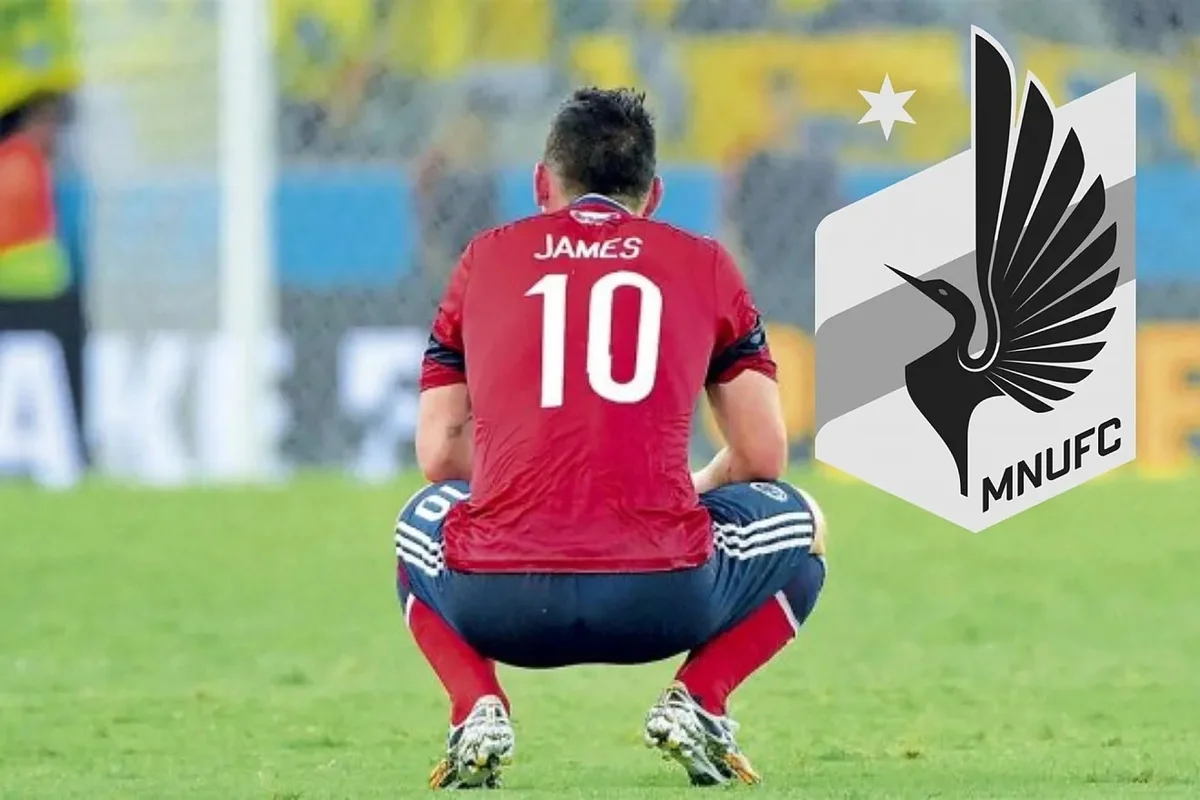
Minnesota United celebrates a decade in MLS by revisiting elements from their first kit, utilizing subtle negative space to form a blue sash-like effect. The design cleverly nods to their earlier northern lights kit motif while keeping a modern aesthetic that resonates well with fans, maintaining continuity without redundancy.
The LA Galaxy’s approach stands out for creatively employing a sash on a primarily white home jersey. This choice introduces a distinct visual flow rarely seen with teams favoring white kits. While the interruption caused by the sponsor logo detracts slightly, the design’s inclusion of six stars provides a decorative balance that enhances the team’s identity.
Orlando City’s significant color shift to a yellowish-gold secondary jersey marks a fresh evolution for the club. Accented with their trademark purple, the warm and energetic palette evokes Florida’s sunny climate while maintaining clear ties to the Lions’ established identity, signifying a bold but respectful innovation.
Developing Visual Identities Amid Challenges
San Diego FC improves on their prior plain, off-the-shelf kit by opting for a white base highlighted with vivid blue and orange accents. Despite an unimpressive team crest and a still-developing visual brand, this new jersey signals progress toward a more distinctive aesthetic for the expansion club.
Austin FC debuts coordinated vertical stripes on both home and away kits, a first in club history. The secondary jersey’s light green and white combination, livened up with black stripes and logos, ensures the pair complement each other without appearing monotonous, striking a delicate balance between unity and distinction.
Returning to Club Roots Yields Positive Reception
Chicago Fire’s new kit marks a welcome return to tradition following a widely criticized and abandoned rebranding. The red shirt featuring a central white band, a collar with red striping, and a blue sponsor logo all contribute to a classic look anchored in the club’s history. As the Fire prepare to break ground on a new stadium, this design grounds their future in their recognized heritage.
New York Red Bulls’ latest jersey, while not their strongest design, earns credit for embracing the MetroStars’ original black and red color scheme rather than the corporate white, red, and blue palette. This choice helps the kit feel authentically tied to the club’s roots, reinforcing a sense of identity beyond branding affiliations.
Smart Color Strategies and Balanced Designs
Charlotte FC marks its fifth MLS season by going back to basics with a blue body and contrasting white sleeves. This color scheme sharpens the club’s distinct palette and enhances visual appeal, although the absence of black accents feels like a missed opportunity to unify the full team color range.
Columbus Crew refocuses on the classic yellow primary color after an unsuccessful experiment with black as the main tone. This straightforward, predominantly yellow jersey benefits from a collar detail that harks back to the early 2000s, reestablishing the Crew’s recognizable look with simplicity and pride.
Designs Facing Criticism for Lack of Innovation
Philadelphia Union’s navy and gold kit falls short of inspiration by foregoing the team’s hallmark vertical stripe. Attempts to reference Ben Franklin and the constitutional convention feel forced, with phrases like We The People seemingly inserted without a cohesive concept. This absence of signature design elements weakens the overall visual impact.
Nashville SC maintains its preference for simple yellow home jerseys but detracts with awkward placement of logos and crests, which cluster centrally in an unattractive manner above the sponsor. Despite the lackluster design, the jersey gained attention when Nashville Predator and club part-owner Filip Forsberg wore it to a recent game, inadvertently leaking the kit.
Concepts That Struggle in Execution
Portland Timbers aimed to honor Providence Park’s 100th anniversary through a jersey inspired by the stadium’s worn exterior and ivy covering. Unfortunately, the design fails to capture this essence, appearing instead as a pale, nondescript yellow. Without context, the jersey’s theme is difficult to discern, signaling a missed opportunity to connect meaningfully with the club’s venue and history.
Significance and What to Expect in MLS Fashion Trends
The 2026 MLS jersey season showcases a vibrant mix of retro inspirations, regional storytelling, and visual rebranding efforts, highlighting how teams strive to balance tradition with modern style. This refresh brings an important shift away from uniform templates, allowing clubs to better express identity and passion through their kits. Yet, the challenges some clubs face in developing cohesive brands or avoiding generic designs reflect the ongoing battle to establish unique footholds in a growing, competitive league.
As the season unfolds with players wearing these new uniforms, fan reactions and team performances will likely influence future apparel directions. Clubs demonstrating success in translating history and locality into appealing designs may set trends others follow, while those whose kits fall flat could reconsider aesthetics to engage their communities more effectively. Overall, the MLS 2026 jersey rankings provide an insightful glimpse into the evolving relationship between soccer culture and style across North America.
