
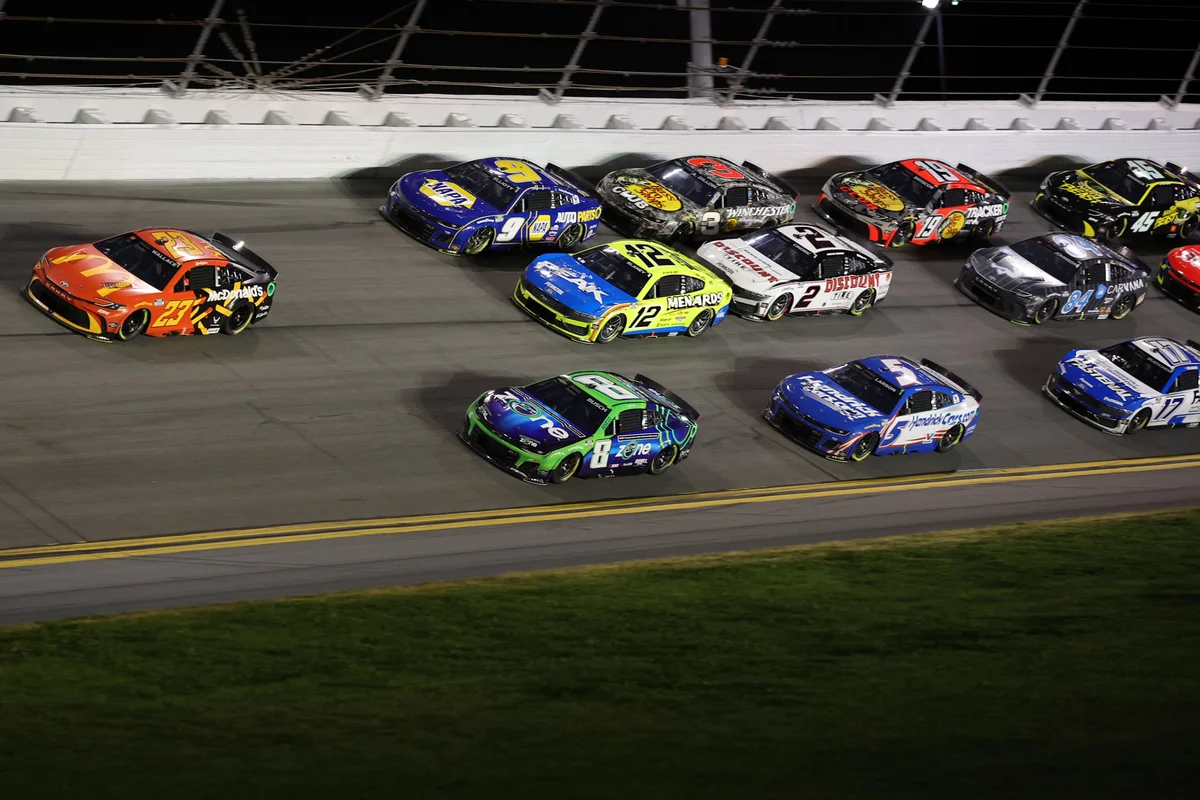
The 2026 NASCAR season is set to launch with significant changes, including fresh leadership and a restructured playoff system designed to boost fan enthusiasm. This new approach arrives without the distractions of ongoing legal battles that had cast a shadow over recent seasons, marking a genuine clean slate for the sport.
After years of upheaval, stock car racing appears ready to move forward, leaving behind some of the controversies that defined prior years. The shift follows the departure of Steve Phelps, former NASCAR President and now Commissioner emeritus, whose tenure ended amid a high-profile legal dispute involving 23XI Racing and Front Row Motorsports.
Expectations for Changes Under New Management and Playoff Format
Fans have reason to be optimistic heading into the season, with new leadership under Steve O’Donnell promising a steadier direction. The playoffs have been overhauled after an unpopular conclusion at the Phoenix Raceway in late 2025, moving away from the sudden-death style “Game 7 moment” that often produced unpredictable champions.
The revised format revives a Chase-style system reminiscent of the 2004-2006 seasons, where the top 16 drivers compete over 10 races for the championship. This longer and more consistent contest addresses complaints that upset victories by drivers outside the regular-season elite, like Joey Logano‘s 2024 title run, undermined the legitimacy of the championship battle.
By restoring a playoff format that rewards consistent performance throughout the season, NASCAR aims to rekindle fans’ interest in the postseason as a true test of driving excellence.
Challenges and Opportunities Facing Teams and NASCAR Leadership
The 2026 season presents several questions about the sport’s future beyond just race results. How Steve O’Donnell’s presidency unfolds and whether he can secure widespread confidence among teams and stakeholders will be critical. Meanwhile, the role of Ben Kennedy, grandson of former NASCAR leader Bill France Jr., remains under watch as the organization charts its next course.
There is also anticipation around potential new investments and leadership to help NASCAR evolve amid growing competition and increasing parity. Since the introduction of the Next Gen car, roughly 8.5 different drivers win multiple races each year, leading to a highly competitive but sometimes unpredictable championship landscape.
This broad distribution of success both enriches the sport and complicates efforts to clearly crown the best competitor in any given season.
Hope for a Renewed Daytona 500 and Growing Fan Interest
As Daytona Speedweeks arrive, attention turns to the sport’s marquee event just days away, symbolizing a chance for renewal after a difficult 2025. The recent partnership agreement made in December creates an opening for NASCAR and teams to develop a long-term vision together.
Looking ahead, the potential return of Dodge to the NASCAR Cup Series and the addition of new venues like the San Diego street race offer fresh excitement, mirroring the impact made by the Chicago street course when it debuted. However, challenges remain, particularly addressing the passing difficulties on short tracks with the Next Gen cars and ensuring smaller teams can remain competitive against better-funded outfits.
If these issues are managed thoughtfully, the 2026 season could mark the start of a more engaging and sustainable era for NASCAR racing.
Key Drivers to Watch as the Season Opens
Entering the Daytona 500, there are several notable underdogs aiming to challenge established frontrunners. Anthony Alfredo, JJ Yeley, BJ McLeod, and Casey Mears are viewed as the long shots attempting to disrupt the competitive balance. In contrast, drivers like Justin Allgaier, Corey Heim, Chandler Smith, Corey LaJoie—now with RFK Racing—and Jimmie Johnson, who holds an Open Provisional spot, are considered favorites based on their resources and experience.
Veteran drivers remain hungry for their first victory in NASCAR’s biggest race. Kyle Busch, Brad Keselowski, and Kyle Larson have yet to claim a Daytona 500 win despite multiple attempts. Regardless of critics’ opinions on pack-style racing, this event continues to represent the pinnacle achievement in stock car racing for these competitors.
Looking Forward: Can NASCAR Build on This Fresh Start?
With the 2026 NASCAR clean slate in place, the sport faces both opportunities and tests. The new leadership team’s ability to unify diverse interests, combined with an improved playoff system and exciting race venues, sets the stage for renewed excitement and stability.
Nonetheless, the true measure of success will be whether the racing product itself delivers on the promises of fairness, competition, and entertainment for fans. As drivers and teams take to the track, the coming months will reveal if this era can avoid the distractions of the past and offer a more rewarding experience for all involved.
“The drama is over, there’s new leadership coming and the teams won to some degree. That alone brings a clean slate for people often critical of the competition in 2025, looking for changes that make NASCAR better and more fun to watch.” ?Tom Bowles, Editor-in-Chief
“Gone is what former NASCAR CEO Brian France once called a Game 7 moment, an elimination-style format that left four drivers in a one-race, let-the-best-man-win slugfest for the title.” ?Tom Bowles, Editor-in-Chief
“There’s more parity in the sport than there’s been potentially ever: an average of 8.5 drivers have won two or more races each year in the Next Gen era.” ?Tom Bowles, Editor-in-Chief
“It’s now up to the sport and its drivers to deliver.” ?Tom Bowles, Editor-in-Chief
