
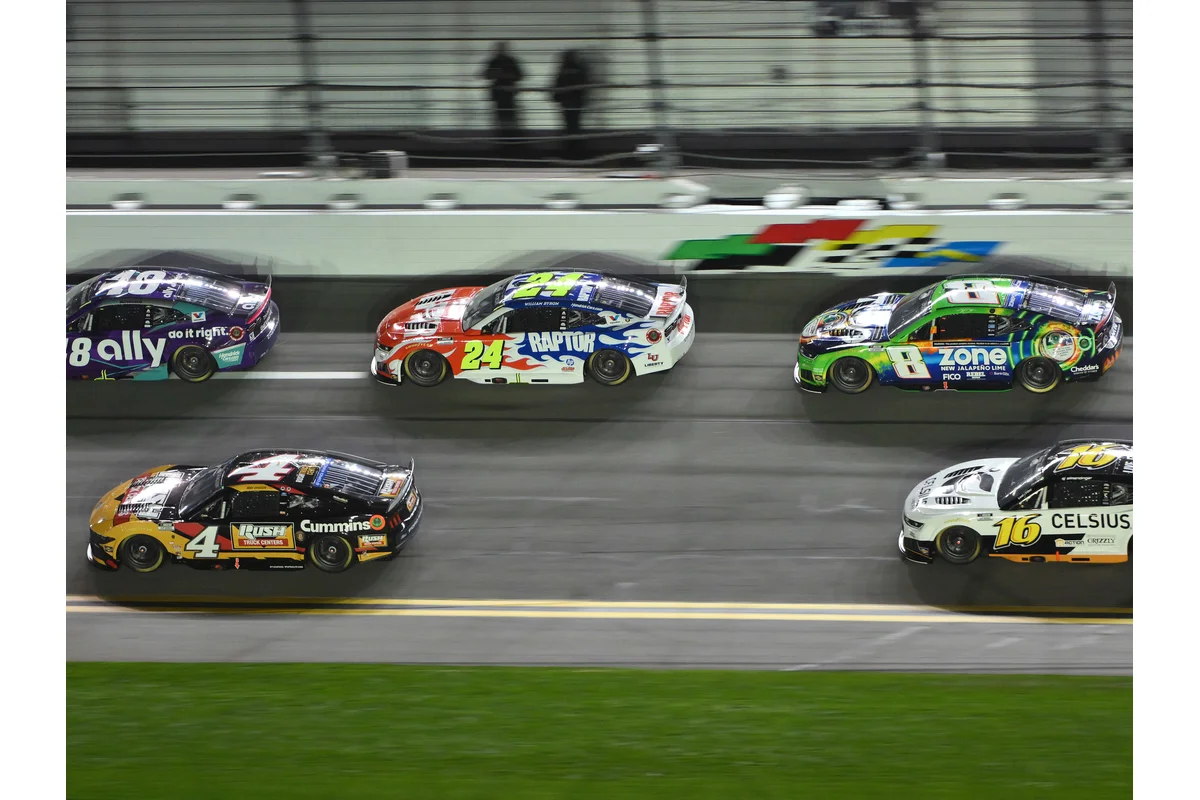
NASCAR has traditionally maintained a quick turnaround between seasons, with champions crowned in November and the Daytona International Speedway’s opening race arriving shortly after the holidays. Despite this routine, the 2026 season commenced with an unexpectedly swift offseason.
This compressed break can be attributed in part to multiple serious events occurring during the usual downtime. The sport faced the fallout of a landmark legal case alongside the tragic losses of Greg Biffle and the father of driver Denny Hamlin, bringing somber moments throughout what is typically a period for rest and recovery.
Daytona arrived on schedule, but the accelerated pace likely feels more intense for those directly involved in the sport’s operations. With teams and staff rushing to prepare for the season, it may be prudent for fans, media, and observers to extend patience and understanding as NASCAR settles into its 2026 rhythm.
Assessing the Longevity of Positive Momentum in the New Season
The kickoff of the 2026 NASCAR season carries a higher level of optimism than usual. Prominent efforts including the “Hell Yeah” back-to-basics campaign, a revamped championship system, and enhanced horsepower allowances at select tracks have contributed to a renewed enthusiasm. This optimistic atmosphere is reinforced by the recent resolution of the pivotal legal dispute, which removed a looming uncertainty about the future of stock car racing.
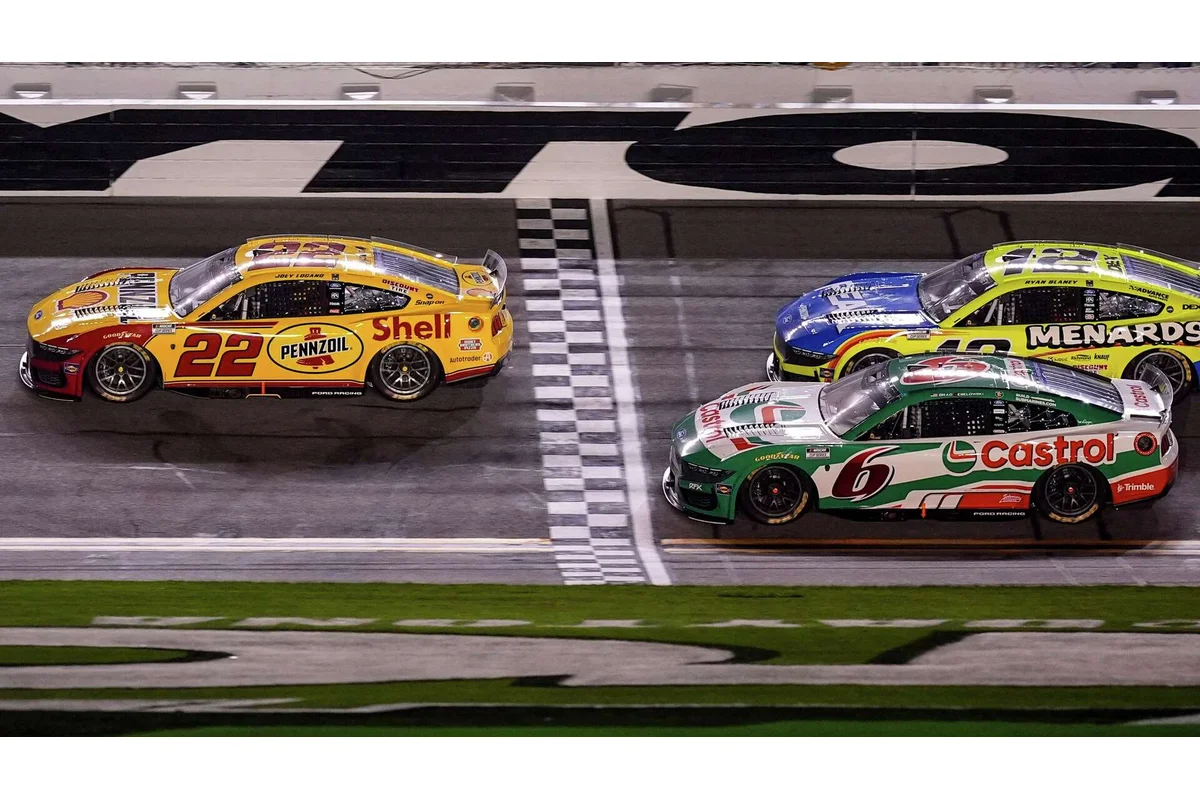
Despite this fresh positivity, it remains delicate. The early season exhibition race, the Cook Out Clash at Bowman Gray Stadium, illustrated how quickly goodwill can be challenged. Weather interruptions and contested rules sparked vocal criticism on social media, with some labeling the event as “typical NASCAR.”
While a dose of skepticism is understandable given the sport’s history, it also underscores the importance of consistent on-track performances. The 2026 season’s favorable impression will depend heavily on whether the racing product can meet fan expectations and avoid eroding the nascent sense of renewed fan connection.
Which Drivers Are Capturing Attention Early This Year?
The initial phase of any sports season often prompts premature excitement or disappointment based on limited action, a dynamic well recognized in baseball spring training or early football games. NASCAR is no exception, and early performances at the Clash and Daytona 500 qualifying have already sparked speculation about potential breakout stars or resurgent veterans.
Ryan Preece of RFK Racing demonstrated significant promise by winning the Clash and showing competitive speed during qualifying and the Duel races. Although no clear catalyst for a breakout year has emerged, his early momentum makes for an intriguing story to follow.
Kyle Busch’s start with Richard Childress Racing has also drawn interest. After a strong half-season followed by an extended dry spell, Busch’s pole position at Daytona suggests a possible return to competitiveness, offering his team hope for further victories.
It is important to remember these early impressions are far from definitive; history cautions against elevating these performances into firm predictions. Both Preece and Busch’s potential remains to be seen as the grueling season unfolds.
Remembering Greg Biffle: NASCAR Drivers Reflect Three Months Later
Three months on from Greg Biffle’s passing, NASCAR drivers have publicly shared their most cherished memories of the veteran racer. These reflections offer a poignant reminder of the personal connections within the racing community and the impact of Biffle’s career and character on his peers.
How Would Three Consecutive Daytona 500 Wins Rank in NASCAR History?
William Byron arrived at the 2026 Daytona 500 as the two-time reigning champion, facing the challenge of becoming the first driver in NASCAR history to clinch three straight victories in this premier race. Coming close is rare, with only a handful of drivers such as Denny Hamlin, Sterling Marlin, and Cale Yarborough having won back-to-back titles in the past several decades.
The difficulty of repeating success at Daytona has arguably increased due to the Cup Series’ growing competitive parity and the unpredictable nature of superspeedway crashes, which frequently eliminate multiple contenders simultaneously. Because of the race’s prominence and the rarity of consecutive wins, a potential three-peat by Byron would solidify his place among NASCAR’s most elite achievers.
As the race progresses, broadcasters are likely to emphasize the historic significance of Byron’s quest, adding dramatic weight to his pursuit of this landmark accomplishment.
Speculating on Dodge’s Return and Which Teams Might Embrace It
The potential resurgence of Dodge in NASCAR’s Cup Series is a slow-building narrative expected to evolve over the 2026 season and beyond. Its reappearance has begun with RAM participating in the NASCAR Craftsman Truck Series, fueling anticipation of a larger manufacturer comeback orchestrated by parent company Stellantis.
Due to NASCAR’s charter system, new manufacturers usually do not launch new teams but rather partner with existing ones. This implies that any Dodge Cup-level return would likely involve current teams switching allegiance rather than forming fresh entrants.
Among probable candidates for a manufacturer switch are:
- Kaulig Racing: Already running five RAM trucks in the Truck Series and currently aligned with Chevrolet, Kaulig has expressed frustration over diminished manufacturer support. This makes them a logical contender for transitioning to Dodge in the near future.
- Trackhouse Racing: Although purely speculative, Trackhouse’s recent competitiveness and investment in emerging talent such as Connor Zilisch could attract Stellantis’ backing. Its owner, Justin Marks, might find value in aligning with Dodge and capitalizing on the Project 91 initiative promoting international drivers.
- Richard Childress Racing (RCR): Known for its engine-building expertise through ECR Engines, RCR could appeal to Dodge due to technical strengths despite its deep Chevrolet ties. A partnership would be a surprising yet strategically sound move for both the team and manufacturer.
The unfolding negotiations and potential realignments could reshape NASCAR’s manufacturer landscape in the coming years, influencing competitive dynamics across the Cup Series.
The Road Ahead: What NASCAR 2026 Could Mean for the Sport’s Future
NASCAR begins the 2026 season amid a complex mix of brisk pace, renewed enthusiasm, lingering skepticism, and evolving manufacturer developments. The compressed offseason and recent tragedies have tested the sport’s resilience, while new initiatives and marketing efforts aim to rebuild fan trust and engagement.
The performances of key drivers like William Byron, Ryan Preece, and Kyle Busch will contribute to the season’s narrative, as will the sport’s ability to deliver compelling racing free from disruption. Meanwhile, the potential reintroduction of Dodge in Cup racing highlights a longer-term strategic shift that could alter team alignments and manufacturer competition.
Ultimately, NASCAR’s ability to sustain the current positive momentum depends on its on-track product and operational decisions. For fans, media members, and team personnel, the coming months will reveal whether 2026 marks a genuine new chapter in stock car racing’s storied history.
