
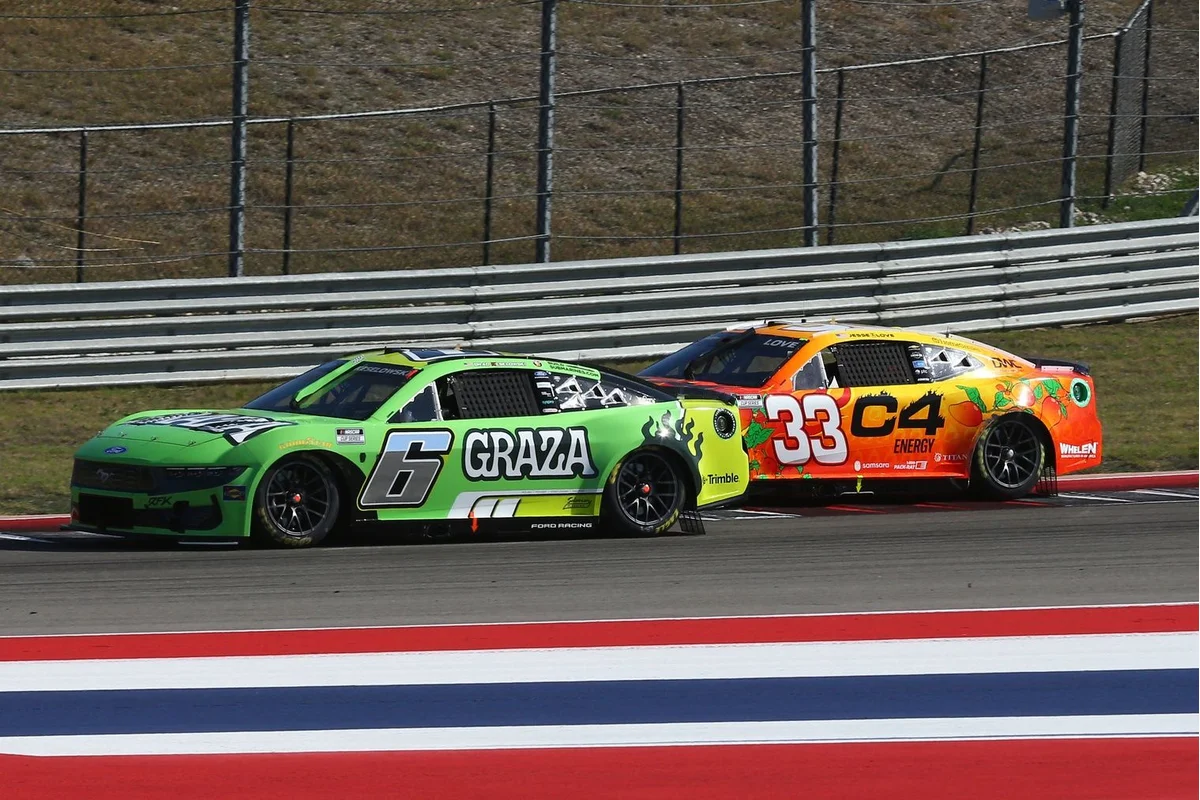
NASCAR’s identity has long been tied to oval track racing, but the series has steadily added more road courses to its calendar. Traditionally, the NASCAR Cup Series featured just two road course events at Watkins Glen International and Sonoma Raceway. However, the 2026 schedule expands that number to four, including Circuit of the Americas, Naval Base Coronado, alongside Watkins Glen and Sonoma. While last year’s races on the Streets of Chicago and Charlotte Motor Speedway’s road course have been dropped for this season, the growing presence of road courses has sparked debate among drivers and team owners.
Brad Keselowski Questions the Business Value of Road Course Events
Brad Keselowski, driver of the No. 6 car and co-owner of RFK Racing, has expressed strong skepticism about NASCAR’s emphasis on road courses. From a financial perspective, he believes these races create challenges for teams like his. Keselowski told Speedfreaks,
“I just put on my business owner hat and I don’t understand why the sport wants to run so many road courses.”
He elaborated on his concerns about the commercial impact:
“As a business owner, it’s the hardest races to sell sponsorship for, it has the lowest attendance, lowest ratings. That doesn’t make sense to me.”
Keselowski emphasized the importance of aligning the schedule with the interests of sponsors, fans, and television audiences, stating,
“We should be going places where the sponsors wanna be there, the fans wanna be there and TV gets the best ratings. And road courses, are historically the worst in all of those categories.”
He added,
“So, I don’t feel any obligation to that.”
The Fan Perspective and Keselowski’s Reservations
Keselowski also suggested that the connection many NASCAR fans have is strongest with oval racing, rather than road courses.
“A lot of the fans identify NASCAR with ovals. They understand the concept of what we’re doing on ovals. And enjoy it more than they do on road courses. That’s my perspective of what I see,”
he said, while acknowledging,
“I can’t speak for every fan.”
Significance and Potential Impact on NASCAR’s Future
Keselowski’s criticism highlights a growing tension within NASCAR about the direction of its schedule and the balance between traditional oval racing and the expanding presence of road courses. Given his dual role as a driver and team co-owner, his views carry weight concerning both competitive and business aspects of the sport. The shift toward more road courses may continue to challenge sponsorship acquisition and fan engagement for some teams.
As NASCAR navigates this evolving landscape, the feedback from prominent figures like Keselowski could influence how the series structures future seasons, potentially prompting a reassessment of the types of tracks included to optimize financial viability and maintain fan interest.
