
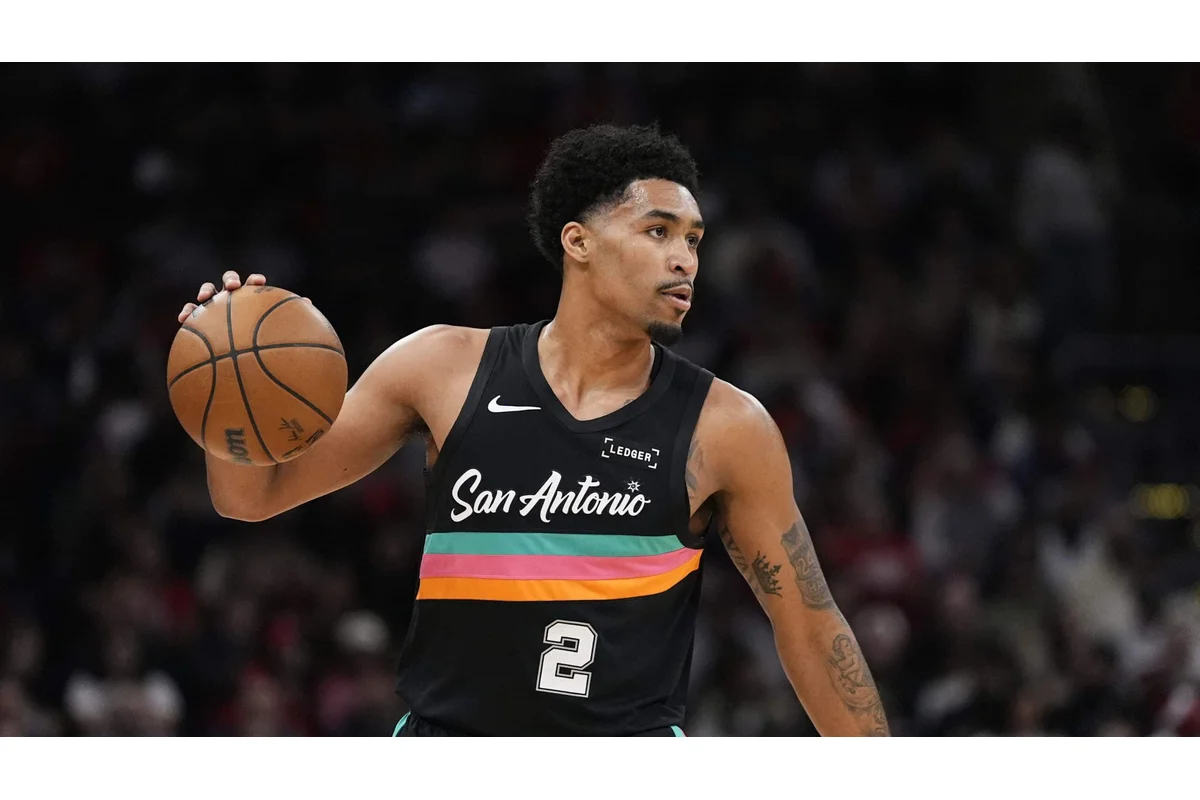
The San Antonio Spurs are grappling with challenges related to Dylan Harper’s shooting performance, which has significantly impacted the team’s offensive rhythm this season. Harper, the second overall pick, started strong but has encountered serious difficulties with his shooting accuracy, especially during December and January, hindering the Spurs’ overall progress.
In January, Harper averaged only 9.4 points per game and posted a true shooting percentage of 51.8%, well below the league average. Contributing to these struggles were factors like Devin Vassell’s injury absence, Harrison Barnes sharing similar shooting issues, and Victor Wembanyama being limited by a minutes restriction. These circumstances aggravated spacing problems on the court, leading to a widespread shooting slump for the Spurs during that period.
Though Vassell has returned, Barnes has been replaced in the starting lineup by Julian Champagnie, and Wembanyama’s minutes restriction has ended, San Antonio’s spacing and shooting remain problematic. The team ranks 23rd in three-point shooting percentage and continues to face struggles at the free throw line. Harper’s personal shooting numbers reflect these issues, with a three-point accuracy of just 24.8% and free throw shooting at 73.7%, raising concerns over his fit within the team’s long-term plans.
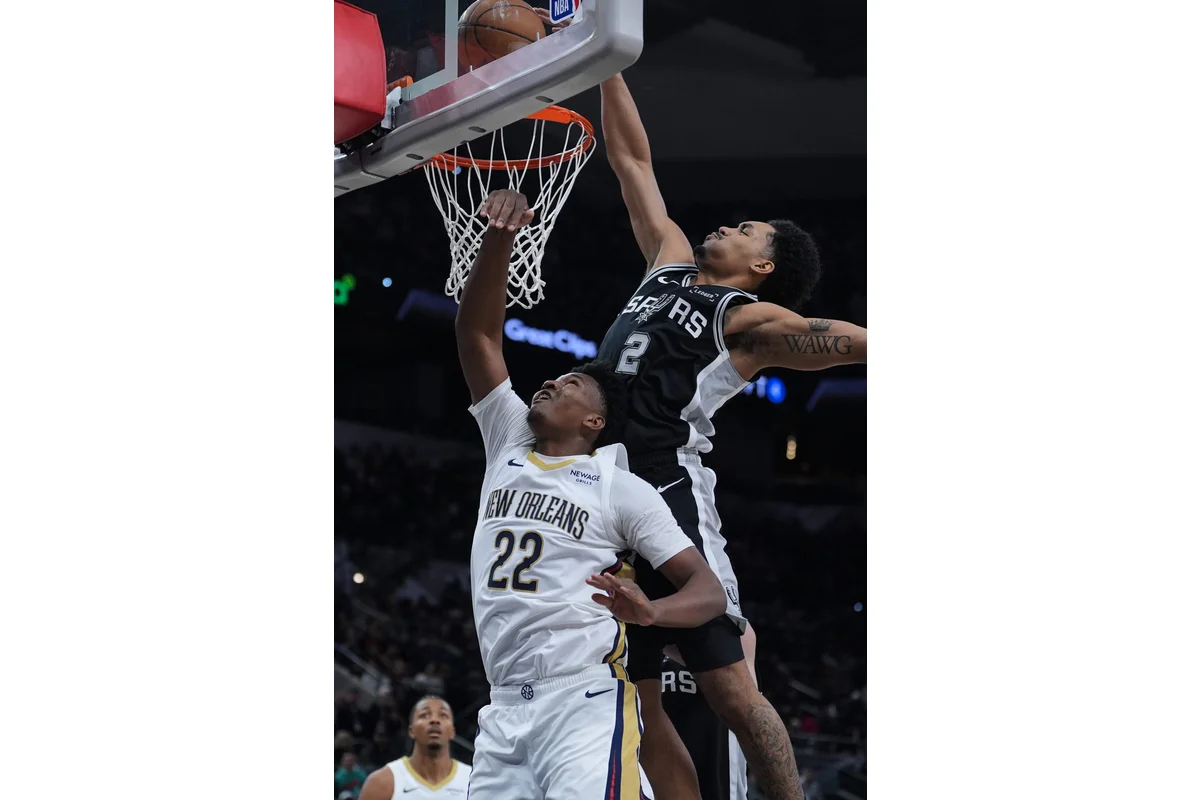
Harper’s shooting inconsistency remains a critical concern for the Spurs
Recently, Harper showed glimpses of promise with back-to-back solid performances against the Charlotte Hornets and Orlando Magic. Displaying confidence from mid-range and beyond the arc, he scored 20 and 16 points in those games, hitting six jumpers combined. When Harper’s shot is on, he becomes a dynamic offensive threat, particularly when the team has proper spacing.
However, the Spurs’ struggles with lineups have complicated Harper’s effectiveness. Against the Magic, for example, Stephon Castle was absent, preventing Coach Mitch Johnson from pairing him with Harper. This combination is problematic, especially when Luke Kornet is on the floor, creating a lineup burdened with too many non-shooters. The San Antonio backcourt’s overall shooting limitations further restrict lineup flexibility.
Johnson has been reluctant to deploy Fox, Harper, and Castle together due to these spacing issues. This hesitation demonstrates the difficulties the Spurs face in finding viable rotations that allow their best players to maximize their minutes together on the court without compromising shooting capability.
The importance of improving Harper’s three-point shooting for his future impact
Despite his shooting struggles, Harper remains a top-tier prospect with notable strengths. His speed and ability to attack the rim are exceptional for his age, and his court vision stands out among young players. In addition, his defense shows promise, and he has proven capable in high-stakes situations, including scoring 21 points against the New York Knicks in the NBA Cup Finals.
Harper’s three-point shooting ability is potentially a game-changing skill that could elevate him to multi-time All-Star status. However, the current lack of shooting consistency from Harper, combined with teammates Fox and Castle also struggling from distance, presents a significant obstacle. This dynamic might force the Spurs to limit lineup combinations or restrict the amount of time these players share the floor to avoid compounding spacing issues.
While Devin Vassell and Keldon Johnson provide shooting stability on the wings for now, their eventual absence due to salary constraints could amplify the Spurs’ spacing dilemma. For San Antonio to fully capitalize on their core talents, Harper’s development into a reliable shooter is crucial. Failure to improve his shooting, especially when paired with other non-shooters, could impact his potential to become a franchise cornerstone.
