
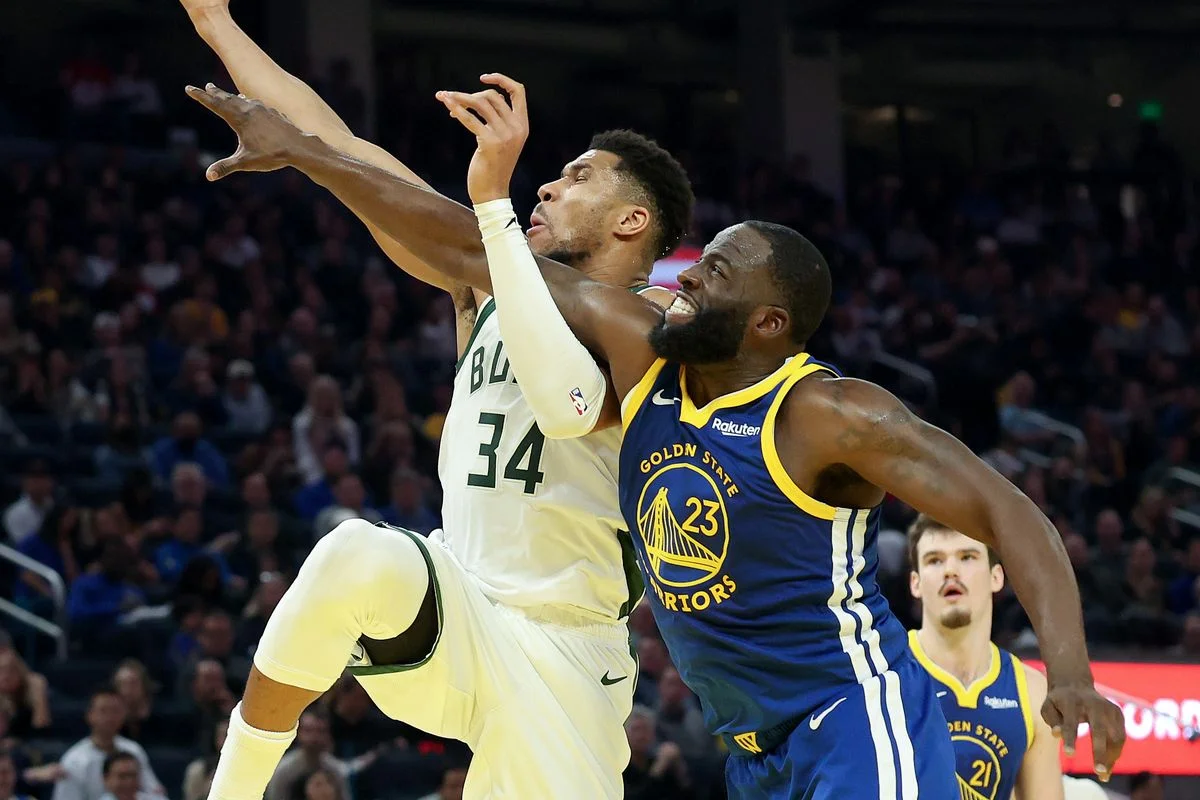
The Golden State Warriors’ ambitious “Two Timelines” approach, designed to balance championship contention with the growth of young talent, has fallen short of expectations as of 2024. This strategy, largely pushed by owner Joe Lacob since the 2021 drafts, aimed to extend the Warriors’ three-title run by combining veteran excellence with a promising group of rookies, such as Jonathan Kuminga and Moses Moody.
However, the outcomes have failed to meet the organization’s hopes. While the team secured a fourth championship in 2022, the younger players envisioned as cornerstones of the franchise’s future did not develop as planned. Missteps in player development, draft evaluation, and roster decisions have put the Warriors’ timeline in jeopardy just as the core veterans’ primes wane.
The Rise and Fall of the Young Core
The “Two Timelines” plan depended heavily on players like Kuminga, Moody, and 2020’s James Wiseman to mature into stars alongside Stephen Curry, Klay Thompson, and Draymond Green. Yet Wiseman failed to evolve into the dominant center the Warriors expected, while Moody settled into a modest role. Kuminga’s tenure ended when he was traded to the Atlanta Hawks for Kristaps Porzingis’ expiring contract salary, signaling the collapse of the envisioned secondary timeline.
Despite this, the 2022 championship was largely fueled by the veteran nucleus, with Curry, Green, Thompson, and Andrew Wiggins leveraging their experience to overcome a younger Boston Celtics squad. The contributions of Kuminga and Moody, though notable, were minor relative to the veterans’ efforts. The timeline hinging on young talent ultimately struggled to materialize as the Warriors hoped.
Alternative Paths and Unfulfilled Potential
The disappointing development of the Warriors’ prospects raises questions about missed opportunities. In comparison, players selected shortly after Golden State’s picks in the 2020 and 2021 drafts—including LaMelo Ball, Tyrese Haliburton, Franz Wagner, Alperen Sengün, Trey Murphy III, and Jalen Johnson—have demonstrated significant progress, spotlighting what could have been.
Such hindsight highlights the pressure on former general manager Bob Myers and the front office for their draft decisions. While the difficulty of prospect evaluation is understood, Warriors decision-makers now face scrutiny for passing on players who subsequently outperformed those they selected. The front office’s initial confidence in Kuminga and Moody, as well as their perseverance with Wiseman, contrasts starkly with the results on the court.
Decision-Making Challenges in Player Development
Beyond draft choices, the Warriors’ handling of these players contributed to the stalled timeline. Under Mike Dunleavy, the franchise showed reluctance to trade Kuminga, declining a deal for Lauri Markkanen two years ago, demonstrating an overly cautious approach with young talent. This protectiveness arguably limited roster flexibility and delayed necessary changes.
The broader challenge relates to maximizing the remaining elite years of Curry, Green, and Thompson. Since the injury setbacks in the 2019 Finals, the team’s priority should have been acquiring immediate-impact players rather than waiting for long-term development. The skepticism around prospects needing several seasons to flourish posed a risk to this strategy given the veterans’ advancing ages.
Kuminga may very well blossom into an All-NBA wing and Wiseman a dominant center, but even the ultimate optimist would admit that’s several seasons from becoming a possibility. They need time and the Curry core doesn’t have a lot of it. He’s 33. Green and Thompson are 31. The window is closing.
?Anthony Slater, Former The Athletic Journalist
Lessons From Recent Experiences and Supporting Talent
The late-season acquisition of Jimmy Butler demonstrated the immediate impact a proven star can have on the Warriors’ fortunes. Despite an imperfect fit, Butler helped the team improve dramatically, taking them from mediocrity to a potential Conference Finals contender when healthy. This move underscored the value of prioritizing All-Star-caliber talent in the closing stages of a championship window.
The Warriors’ earlier insistence on developing their own youth rather than trading for established stars reflected a gamble that the young core could mature seamlessly alongside the veterans. While the intent resembled strategies employed famously by the San Antonio Spurs—transitions from David Robinson to Tim Duncan to Kawhi Leonard—the Warriors’ attempt fell short in execution.
Golden State’s roster decisions exposed the risks of waiting for prospects to reach starring roles while relying heavily on aging superstars. Unlike the Spurs’ rare success in managing such transitions, this “Two Timelines” blueprint struggled to balance present competitiveness with future planning.
The Responsibility for the Warriors’ Current State
The Warriors have earned immense praise for transforming into a dynasty, with four NBA titles and multiple successful free-agent signings, including Kevin Durant, validating their approach over the past decade. Still, the current challenges highlight accountability within the organization, notably with Joe Lacob holding ultimate authority and final approval over significant decisions.
Honestly, this is sort of my dream,
And I know this isn’t popular with a lot of people. They think we ought to go get the next star. We already have the stars.
?Joe Lacob, Golden State Warriors Owner
Criticism may also touch on Steve Kerr’s hesitancy to let Kuminga play freely, the front office’s management under Bob Myers, and Kuminga’s own inconsistency in embracing his role. Yet, no matter where one places the fault, the organization’s broader strategy under Lacob’s guidance is central to the narrative.
Looking ahead, Lacob is likely to accept responsibility for this iteration of the “Two Timelines” vision, while considering how to reorient the franchise to return to championship contention. Whether that involves further trades, shifts in player development philosophy, or renewed efforts to attract proven stars, the team faces critical decisions in the near future.
