
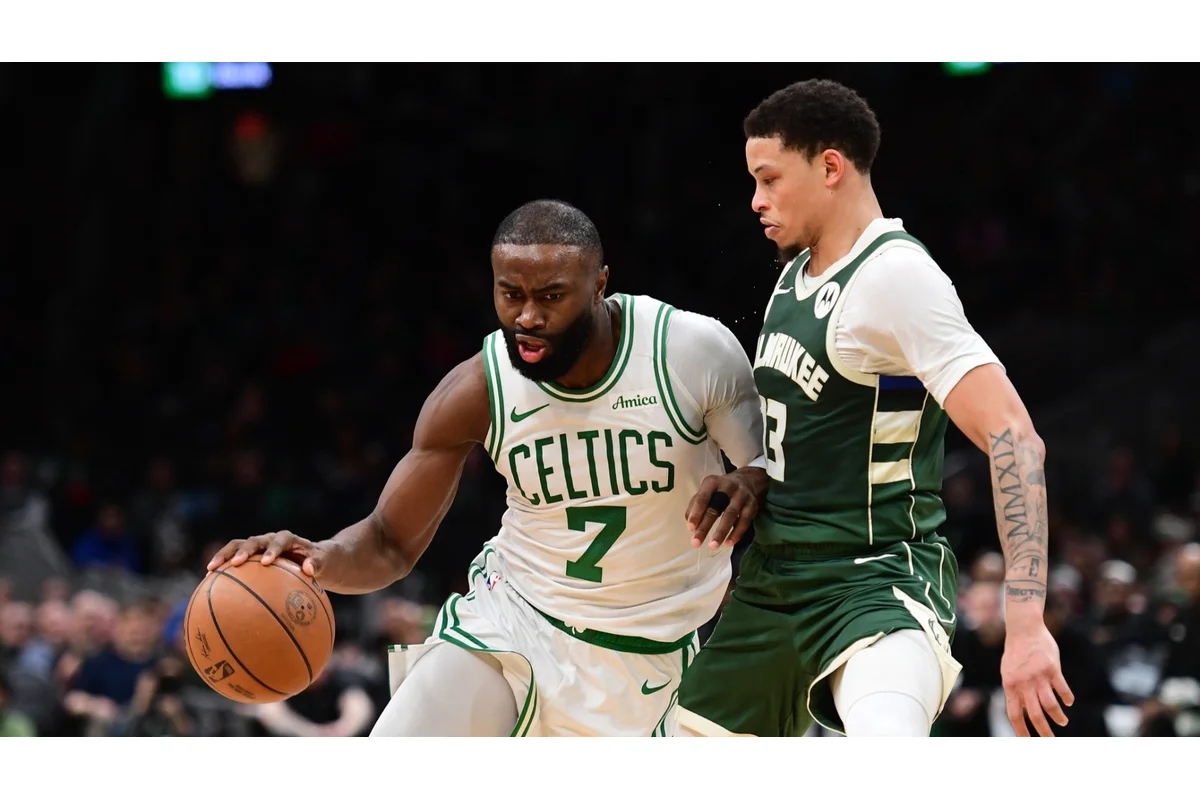
The Boston Celtics executed a series of trades around the NBA trade deadline this week, acquiring Nikola Vucevic to strengthen their frontcourt as they gear up for a playoff push. Despite these additions, head coach Brad Stevens faces the challenge of managing three remaining open spots on the team’s 15-man roster. The Celtics had strategically kept one roster slot available all season for flexibility but created two additional openings this past Thursday through trades and roster adjustments.
Boston sent Chris Boucher and a 2027 second-round draft pick to the Utah Jazz, a move primarily aimed at shedding salary. The team also traded Josh Minott to the Brooklyn Nets and Xavier Tillman to the Charlotte Hornets to free up roster positions and lower their luxury tax burden. Meanwhile, Amari Williams was promoted from a two-way contract to Boston’s active 15-player roster, bringing the team up to 12 players in the wake of deadline deals.
Roster Constraints and Salary Cap Management Shape Future Moves
Under NBA rules, Boston must have 14 players on its roster by February 19. The Celtics may promote one of their two-way players, such as Ron Harper Jr. or Max Shulga, as they have done previously with players like Neemias Queta. However, further roster additions might be delayed until later in the season to maintain financial flexibility and manage luxury tax implications.
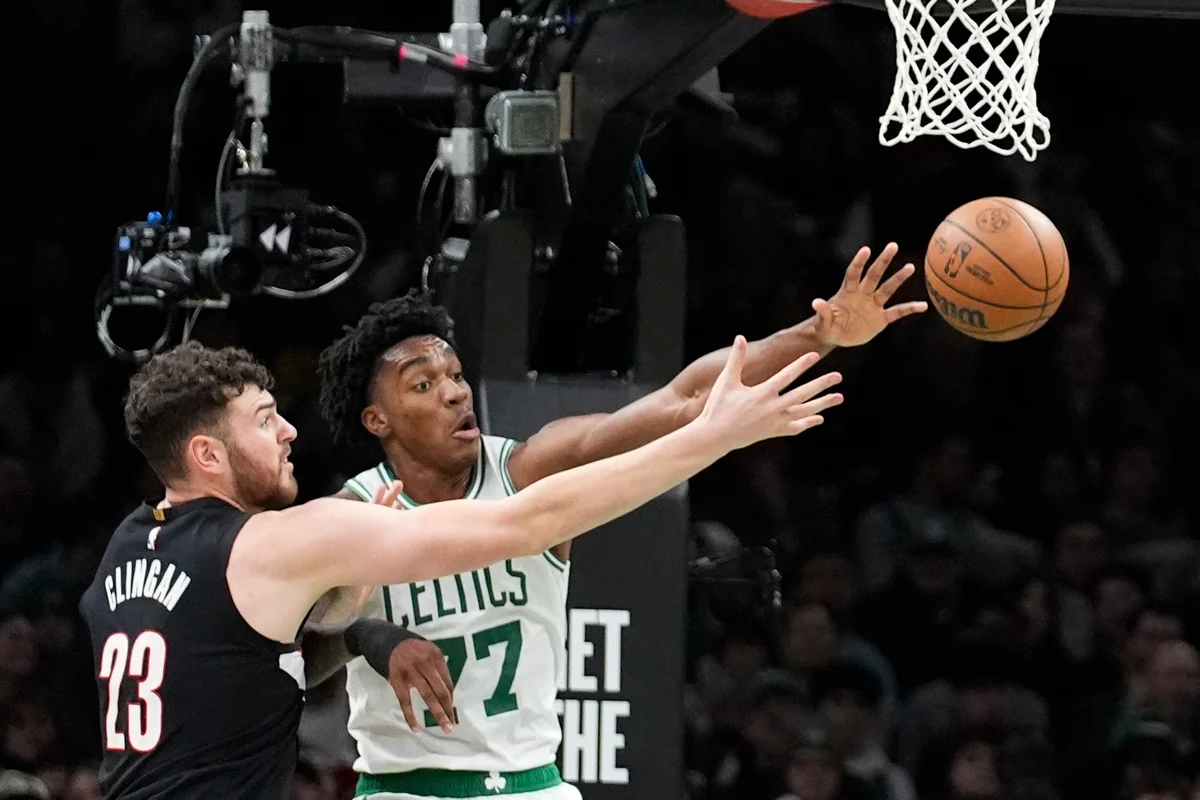
Boston currently sits approximately $843,000 below the luxury tax threshold, meaning the timing of future signings will be critical. The Celtics’ front office may favor promoting a two-way player like Shulga due to his comparatively low cap hit over signing a veteran free agent. Additionally, the team retains the capacity to add one veteran player to the roster later in the season, opening up possibilities for buyout signings to bolster the team for the playoff stretch.
Potential Buyout Candidates to Bolster the Celtics’ Roster
As the regular season progresses, Boston appears poised to consider adding free agents from the buyout market, particularly guards and wings who could complement the existing core. While the team has cleared the first apron threshold to pursue such players, salary cap considerations may delay any acquisitions to the latter stages of the season. Some 10-day contracts might also be used as short-term solutions to cover roster gaps.
Below is a profile of seven players who might become available for Boston once they are released or reach buyouts with their current teams:
1. Cam Thomas, Guard, Brooklyn Nets (Already Waived)
In a surprising move, the Nets waived 24-year-old Cam Thomas during the trade deadline. Thomas, known for his scoring explosiveness, has battled injuries this season, appearing in only 24 games with eight starts. Throughout his career, his scoring comes with high volume shooting but relatively low efficiency. Despite this, he could offer Boston a scoring boost off the bench, especially after losing Anfernee Simons.
2. Jevon Carter, Guard, Chicago Bulls (Already Waived)
Jevon Carter became a roster casualty amid the Bulls’ crowded guard rotation. Carter, 30, is not a major contributor statistically but has shown dependable three-point shooting this season, connecting on 41.0% of his attempts. While his value as a rotation player for the Celtics appears limited, his shooting accuracy might interest the team if they seek depth.
3. Mike Conley, Guard, Charlotte Hornets (Already Waived)
Mike Conley‘s journey this season has involved multiple trades—from Minnesota to Chicago, and finally to Charlotte, where he was waived. There is speculation he may return to Minnesota. At 38, Conley brings veteran leadership and experience, qualities the Celtics might appreciate in the locker room. He has provided solid backup point guard minutes this season, averaging 4.4 points, 1.8 rebounds, and 2.9 assists over 44 games.
4. Lonzo Ball, Guard, Utah Jazz
After struggling offensively following a move from Cleveland to Utah, Ball’s efficiency has dropped significantly, shooting just 30.1% overall and 27.2% from three-point range this season. Known for his defensive capabilities and playmaking, Ball has averaged 4.6 points, 4.0 rebounds, and 3.9 assists in limited minutes. Despite his declining offensive output, Boston might see value in his defense and ball-handling if he becomes available.
5. Chris Paul, Guard, Toronto Raptors
Chris Paul, currently 40 and in the final season of his career, was sent home midseason by the Clippers. Known for his leadership and basketball IQ, Paul could offer mentorship and experience to Boston. His production this season has been modest, with averages of 2.9 points, 1.8 rebounds, and 3.3 assists across 16 games. His impact with the Celtics would likely be more intangible than statistical.
6. Haywood Highsmith, Forward, Brooklyn Nets (Already Waived)
Highsmith has yet to play this year due to offseason surgery but is expected to be cleared for action later this month, according to reports by Michael Scotto of Hoopshype. Last season, Highsmith played significant minutes with Miami, averaging 6.5 points and 3.4 rebounds. Even with Minott’s departure, Boston’s deep wing rotation might lessen the priority to pursue Highsmith aggressively.
7. Khris Middleton, Guard/Forward, Dallas Mavericks
Middleton was traded to Dallas as part of the blockbuster involving Anthony Davis. With Kyrie Irving sidelined and Dallas not aiming for a playoff push this year, Middleton could be released and enter the buyout market. Although Boston has considerable depth on the wing, Middleton’s playoff experience and scoring ability make him a compelling option for a contender seeking to add proven talent.
Looking Ahead: Celtics’ Strategic Roster Adjustments
The Celtics’ activity at this year’s Boston Celtics trade deadline signals their intention to bolster the team’s roster for a strong postseason surge. With three open roster spots and strict salary cap restrictions, the front office must carefully time further additions. Signing experienced players via buyouts or promoting two-way players could enhance depth and versatility, critical factors as Boston navigates a competitive Eastern Conference landscape.
The key challenge for Brad Stevens and the Celtics management will be balancing financial prudence with roster needs, ensuring the team remains competitive without exceeding luxury tax limits. The potential addition of seasoned veterans or scoring wings from the buyout market may provide the crucial edge needed for Boston’s playoff aspirations this season.
