
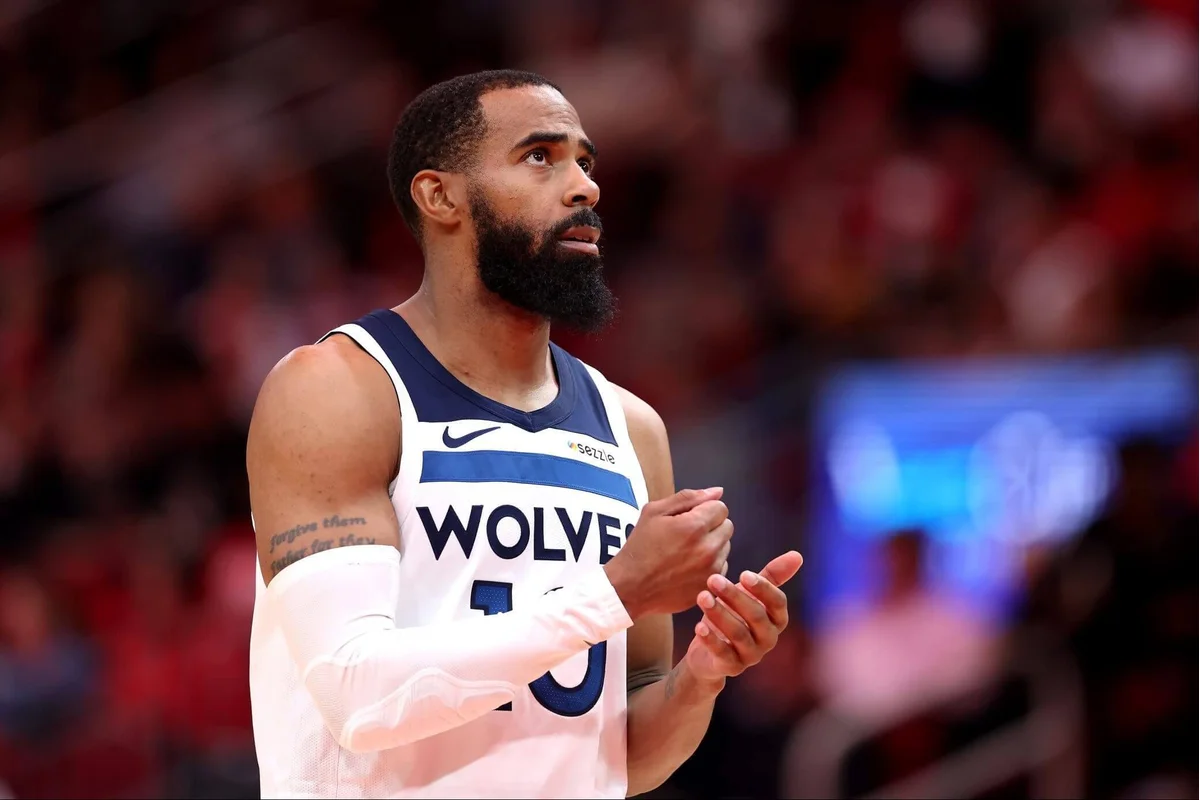
Mike Conley faced an unusually turbulent two weeks as the NBA season reached its midpoint, unlike most players who planned leisurely All-Star break vacations. His future was in flux as multiple trades shifted his status, ultimately leading back to the Minnesota Timberwolves, where his role remains uncertain as the team eyes a playoff push.
Sequence of Trades Leading to Conley’s Timberwolves Return
Initially, the Minnesota Timberwolves traded Conley to the Chicago Bulls in a three-team deal that involved Kevin Huerter, Dario Saric, and Jaden Ivey. To clear Conley’s salary off their books, the Wolves also sent a first-round draft pick swap to the Detroit Pistons. Within a day, the Bulls traded Conley alongside Coby White to the Charlotte Hornets, who then waived him on February 5, allowing Conley to sign anywhere, including a potential return to Minnesota.
Shortly after, the Timberwolves, having also acquired Ayo Dosunmu from the Bulls through a separate transaction, signed Conley to a minimum contract for the remainder of the season. This move reunited the veteran guard with the team, who now face the challenge of finishing the season strongly in their remaining 26 games.
Timberwolves’ Performance During Conley’s Absence
During the two weeks Conley was away, the Timberwolves posted a 2-2 record. After trading him, they secured a road victory over the Toronto Raptors. However, the team then suffered a poor loss to the New Orleans Pelicans and a significant defeat at the hands of the Los Angeles Clippers. They rebounded with decisive wins against the Atlanta Hawks and Portland Trail Blazers, positioning themselves well but still with work to do.
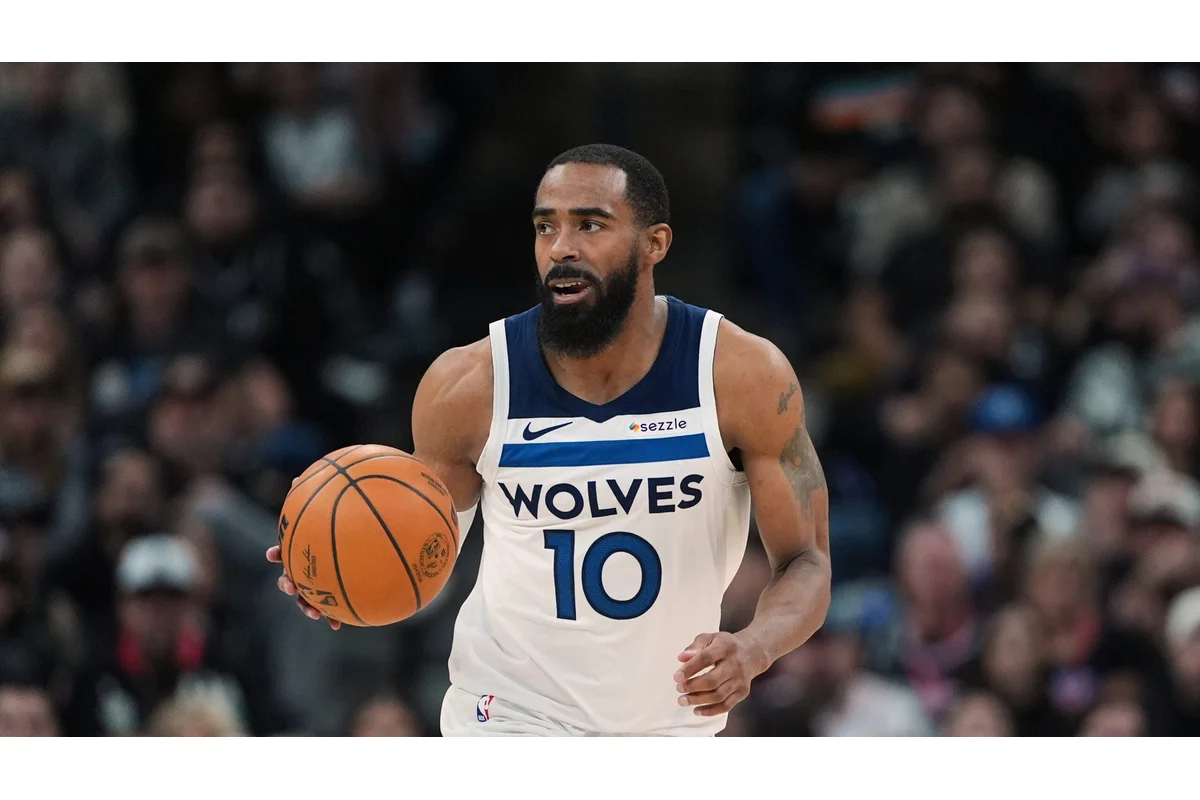
Presently, Minnesota holds the sixth spot in the Western Conference with a 34-22 record and sits just 1.5 games behind third place. The addition of Dosunmu has energized the team’s backcourt, giving the Wolves hope for a deep playoff run, potentially aiming for their third consecutive trip to the conference finals. Conley’s return adds veteran depth and leadership, raising questions about how he will fit into the team’s rotation.
Conley’s Reduced Role and Statistical Decline This Season
Before the trade shuffle, Conley was already experiencing a reduced presence on the court, averaging a career-low 18.5 minutes per game. His efficiency has declined sharply, with career lows in scoring, rebounds, field goal percentage, and three-point shooting — he was converting just 32.2 percent from the field over 44 contests. Advanced metrics suggest the team performed better overall when he sat on the bench, highlighting this as his most challenging season to date.
On the depth chart, Conley ranked behind guards Donte DiVincenzo and Bones Hyland prior to the trades. With Dosunmu now integrated, Conley is expected to be at best the fifth guard in Head Coach Chris Finch’s lineup.
Ayo Dosunmu’s Impact on Minnesota’s Backcourt
In his first three games with the Timberwolves, Dosunmu has immediately contributed, averaging 14.7 points and 2.7 assists in roughly 28 minutes each night while shooting 38.5 percent from beyond the arc. His style, characterized by quick pace and spacing, meshes well with key bench players like Naz Reid and Bones Hyland, injecting fresh energy into the Wolves’ second unit.
Since Conley’s departure, Hyland’s minutes have increased to nearly 20 per game, including a 30-minute stint against the Clippers. He has posted 13.2 points and three assists per game on an impressive 50 percent from three-point range over five contests. Alongside Jaylen Clark and soon-to-return Terrence Shannon Jr., Conley will face stiff competition for playing time upon his comeback.
Conley’s Leadership Role Over On-Court Contributions
While Conley’s minutes may be limited, his influence in the locker room could prove critical as Minnesota pursues a championship. Known for his leadership, Conley has acted like an assistant coach on the floor, offering guidance and stability—a role the Wolves will rely on heavily in the Western Conference playoffs. The emotional significance of his return is clear, with teammates visibly affected both by his departure and welcome return.
Originally acquired to mentor stars like Anthony Edwards, Karl-Anthony Towns, and help them integrate with Rudy Gobert, Conley’s newest task is to maintain the team’s focus and mental toughness through the grueling late-season stretch.
The Need for Veteran Poise to Prevent Collapse in Key Games
The Timberwolves require Conley’s steady presence to avoid recurring collapses, such as the four-point loss to the New Orleans Pelicans on February 6. Minnesota had built an 18-point lead but allowed the Pelicans to chip away by forcing turnovers and exploiting defensive lapses, continuing a troubling pattern late in games this season. Conley’s calm leadership could help reduce these errors and keep the team composed under pressure.
Mike Conley’s Return: Symbolism and Hope for a Championship
Conley’s reunion with the Timberwolves carries symbolic weight. Over three and a half years, he has become one of the most beloved figures in Minnesota’s locker room. As he nears the end of his long career, his teammates strongly desire to help him achieve the elusive first NBA championship that has so far escaped him.
While his on-court role may be diminished, Conley remains an essential figure whose experience and leadership could be pivotal as the Timberwolves seek to contend in a challenging Western Conference landscape and make a deep postseason run.
Anthony Edwards on Mike Conley: “I keep hearing he can come back, so hopefully he will and I hope he see this. We want you back, Mike. He know we miss him.” pic.twitter.com/FsfvhFmyh3
— Chris Hine (@ChristopherHine) February 5, 2026
