
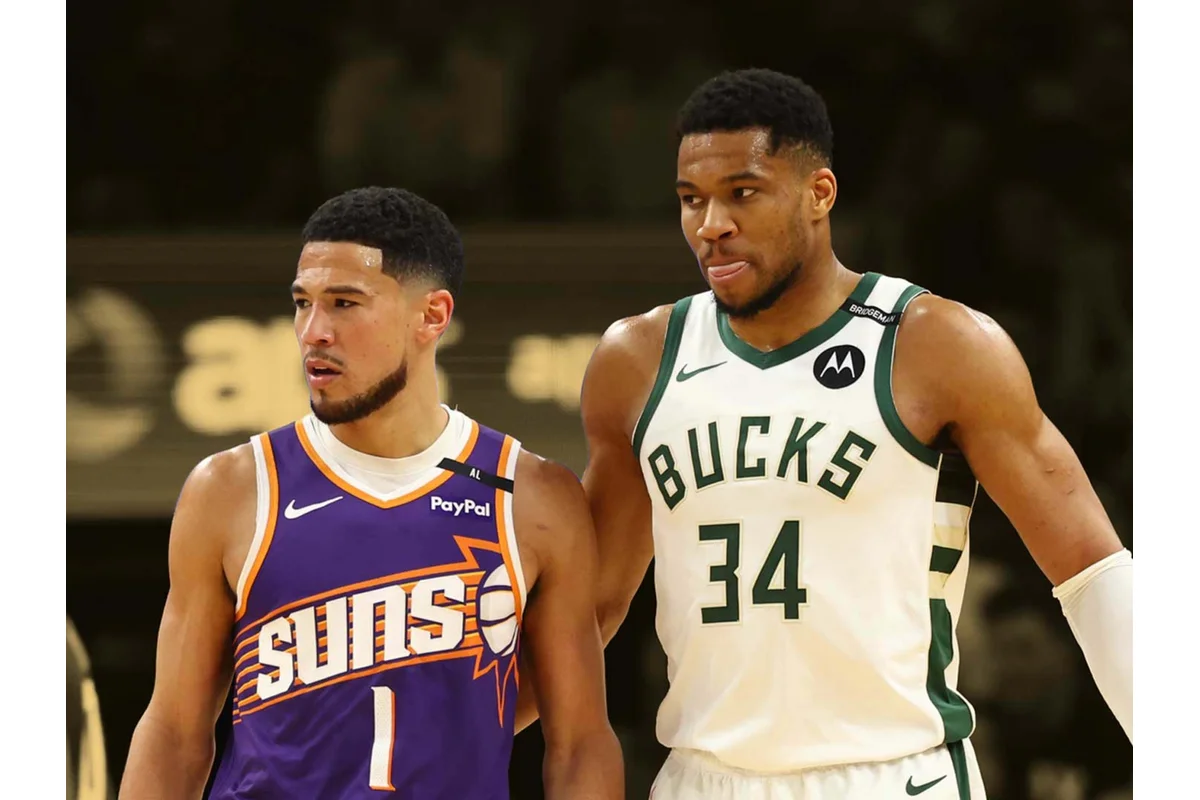
As the NBA increasingly favors offensive firepower, teams struggling to keep pace with high scoring often fall into losing streaks. Despite fans and franchises prioritizing scoring, the true difference-makers—the players who swing championship outcomes—are those who excel on both offense and defense. Two-way basketball has quietly become essential in an era where many teams lack traditional rim protectors, making versatility a vital asset.
Historically, icons like Michael Jordan and Gary Payton stood out for dominating both ends of the court, but such players are becoming more common and influential today. Evaluating two-way stars involves several factors: their ability to impact scoring and defense equally, their irreplaceable presence on rosters, and the tangible influence they exert beyond box score statistics.
Ranking the NBA’s Ten Best Two-Way Players
10. Scottie Barnes (Toronto Raptors)
Despite the Raptors’ failure to surround Scottie Barnes with strong supporting casts since drafting him in 2021, the 24-year-old has established himself as an elite two-way talent and two-time All-Star. Barnes blends offensive skills with exceptional defensive versatility, regularly guarding top scorers and igniting fast breaks. Toronto’s competitiveness heavily relies on his all-around contributions.
9. Jalen Williams (Oklahoma City Thunder)
An All-NBA selection, Williams has been a key reason for the Thunder’s recent ascent. Complementing the reigning league MVP Shai Gilgeous-Alexander and All-Star big man Chet Holmgren, Williams’ length, defensive switching, and improving offense have made him an indispensable two-way player. Even with injury interruptions, he remains among the most valuable young talents capable on both ends.
8. Evan Mobley (Cleveland Cavaliers)
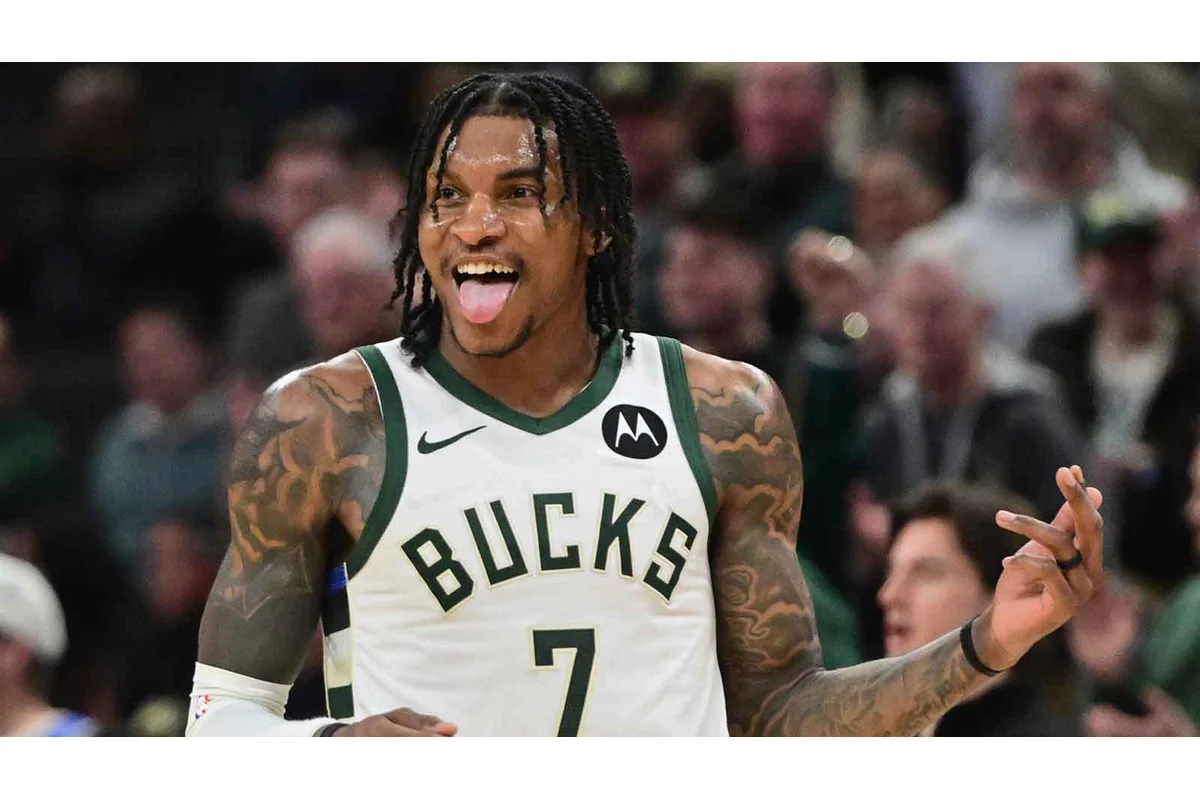
Mentioned less often than the Cavaliers’ backcourt stars James Harden and Donovan Mitchell, Mobley’s two-way impact is critical to Cleveland’s emergence as a top Eastern Conference team. The four-year big man protects the rim effectively while switching on defense, creating offense through blocks and help defense. His ability to stretch the floor as a seven-footer and former Defensive Player of the Year is a model for championship-caliber rosters.
7. Jayson Tatum (Boston Celtics)
Tatum’s presence remains significant despite missing much of this season due to injury. While Jaylen Brown has shouldered much of the burden, Tatum’s offensive brilliance and defensive flexibility keep him among the league’s elite two-way stars. Already setting historic scoring records for Boston, the former Duke standout combines elite scoring with versatile defense.
6. Anthony Edwards (Minnesota Timberwolves)
Edwards stands out as a prototype wing, excelling with athleticism that fuels both his offensive explosiveness and defensive disruption. Averaging 1.4 steals per game, his energy and lateral quickness unsettle opponents, contributing significantly to Minnesota’s deep playoff runs, including Western Conference finals appearances.
5. Kawhi Leonard (Los Angeles Clippers)
Although injuries have hampered Leonard’s capacity to contend for the title as the greatest two-way wing, the 34-year-old remains a top-tier dual-threat. Unlike rim protectors like Rudy Gobert or shot blockers like Holmgren, Leonard offers balanced excellence at both ends. His two-time Defensive Player of the Year honors and Finals MVP awards attest to his impact.
4. Jaylen Brown (Boston Celtics)
Often underrated, Brown contributes heavily to the Celtics’ success this season. Averaging 29.2 points per game without partner Jayson Tatum, he has stepped up, especially defensively, by consistently guarding opponents’ best wings and leading Boston to a top-five defensive ranking despite missing key defenders such as Jrue Holiday and Kristaps Porzingis.
3. Victor Wembanyama (San Antonio Spurs)
The enormously talented 7-foot-4 Frenchman has exceeded pre-entry hype with his defensive dominance and improving offensive skill set. Averaging 24.3 points and 11.2 rebounds, Wembanyama is a frontrunner for Defensive Player of the Year, uniquely combining rim protection with an evolving face-up and step-back three-point game. These skills have propelled the Spurs to the No. 2 seed in the Western Conference.
2. Shai Gilgeous-Alexander (Oklahoma City Thunder)
One of the most complete guards in recent NBA history, Gilgeous-Alexander’s extraordinary offensive and defensive abilities power the Thunder, reigning champions and early favorites this season. With an impressive 31.8 points per game and leadership in steals, his size disrupts opposing guards while maintaining an exceptional turnover rate, earning his reputation as an ultimate two-way creator.
1. Giannis Antetokounmpo (Milwaukee Bucks)
Since entering the league, Giannis has embodied two-way basketball supremacy. Despite the Bucks’ struggles this season and Antetokounmpo’s current absence from games, his influence remains undeniable. Averaging 28 points, 10 rebounds, and 5.6 assists with elite efficiency—64.5 percent shooting, ranking third in the league—Giannis continues to pair defensive intimidation with unstoppable offensive drives. A former Defensive Player of the Year and Finals MVP, he remains the benchmark for two-way excellence.
The Strategic Value of Two-Way Players in Championship Pursuits
These athletes exemplify the evolving NBA landscape, where multi-dimensional skills are no longer optional but necessary for postseason success. As the regular season deepens and playoffs approach, players who master both scoring and defense become indispensable when one-dimensional stars face exposure. This shift marks the end of mere statistical accumulation toward titles.
The game’s fast pace demands offensive talents who can also apply defensive pressure, making two-way versatility a dominant criterion for team building and drafting. Organizations increasingly prioritize players with comprehensive skill sets, recognizing these athletes as foundational for assembling championship contenders.
While offense may attract highlights and headlines, two-way stars determine playoff outcomes. In slowed, high-stakes scenarios, adaptability and defensive aptitude tip the balance, enabling teams to maintain success deep into June. The ongoing evolution favors players who create, switch, rotate, and finish possessions independently—those whom top teams eagerly pursue to sustain their dominance.
