
NBA commissioner Adam Silver has recently taken a firm stance against tanking, drawing attention amid ongoing league concerns. The NBA tanking draft debate highlights frustrations over teams deliberately performing poorly to secure higher draft picks, a strategy entrenched for decades.
This tactic dates back at least to 2003, when, prior to LeBron James’ entry into the league, teams like the Cleveland Cavaliers and Denver Nuggets suffered severe losing streaks—7-25 and 5-28 records respectively after the All-Star break—to chase top draft selections. The Philadelphia 76ers similarly endured three consecutive seasons with fewer than 20 wins to secure high draft lottery odds, yet failed to create a strong contender.
Recent Incidents Reveal the Persistence of Tanking Practices
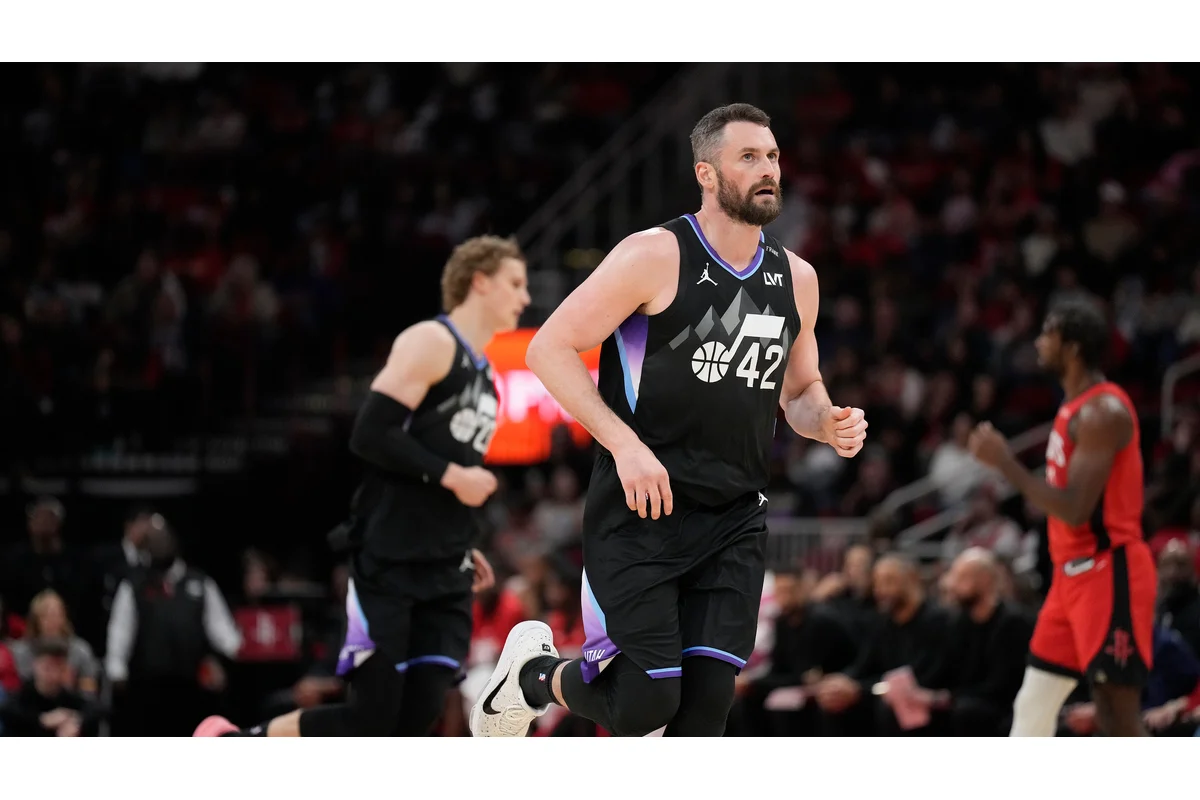
The immediate trigger for Silver’s outspoken criticism was Utah Jazz’s move to bench their two best players late in a game, although such actions have been repetitive among many teams, particularly in the final months of the season. What made the Jazz’s case more transparent was the timing—executed in February, before the usual surge of vague injuries or mysterious ailments that often bench star players in March and April.
Silver’s statement that “everything is on the table” at the All-Star Weekend implies a willingness to explore significant reforms to discourage intentional losing. Among the ideas under consideration are modifications to the draft lottery system, such as altering or expanding lottery odds or locking in these odds earlier in the season to reduce late-season tanking.
Challenges and Risks of Altering the Draft Lottery System
While adjusting the draft lottery may curb some tanking incentives, it could also create unfavorable outcomes. For example, increasing randomness might disastrously impact poorly performing franchises and unintentionally benefit strong playoff teams by awarding them highly coveted young talent. Last season’s Dallas Mavericks exemplify the unintended consequences of the NBA’s recent lottery format change, where the three worst records received equal top pick odds, encouraging teams with borderline playoff records to tank more aggressively.
These complexities indicate that mere tweaks to the lottery system offer only partial solutions, failing to address the core problem of teams deliberately underperforming.
Considering the Radical Option of Eliminating the Draft
One radical solution Silver might be reluctant to pursue but which could effectively end tanking is scrapping the draft altogether. This idea relies on the NBA’s salary cap structure, which limits how many stars can be signed by wealthier franchises, thus preventing a concentration of talent solely among glamorous teams.
Without the draft, emerging players would have the freedom to negotiate contracts with any team, weighing larger upfront paychecks on struggling teams against smaller roles and salaries on competitive ones. This would likely force franchises, especially in smaller markets, to improve scouting, recruiting, and roster management rather than relying on high draft picks to build talent.
Currently, there is considerable variation in how teams operate, with some consistently outperformed by others despite having access to draft privileges, as seen in the ongoing struggles of the Sacramento Kings.
Impact on History and Future NBA Landscape
Removing the draft would mark a dramatic shift from current NBA norms. Teams like the Oklahoma City Thunder, San Antonio Spurs, and Detroit Pistons, historically built on successful tanking strategies, would need extended periods to adapt as the system evolves into one that respects players’ rights to choose their teams, just like any other profession.
Although some franchises might gain advantages in this approach, it confronts the underlying issue Silver faces: the draft system is fundamentally flawed. Intended to help poor-performing teams recover quickly, it has often resulted in prolonged mediocrity or worse, with even somewhat competitive teams choosing to tank to secure future stars.
The Enduring Problem of Intentional Losing and What’s Ahead
The persistent tendency among many NBA teams to intentionally underperform undermines the fundamental goal of sports—to compete and win. As the season approaches its crucial months, this problem typically intensifies.
Incremental changes to the draft lottery will not resolve these issues comprehensively. The league may need to consider more transformative reforms to restore competitive integrity and ultimately enhance the fan experience. The NBA’s next steps will be critical in shaping the balance between fairness, talent distribution, and maintaining the sport’s spirit.
“Everything is on the table.” – Adam Silver, NBA Commissioner
“Say hello to last season’s Dallas Mavericks, for example.” – Scott Stinson, contributing writer
