
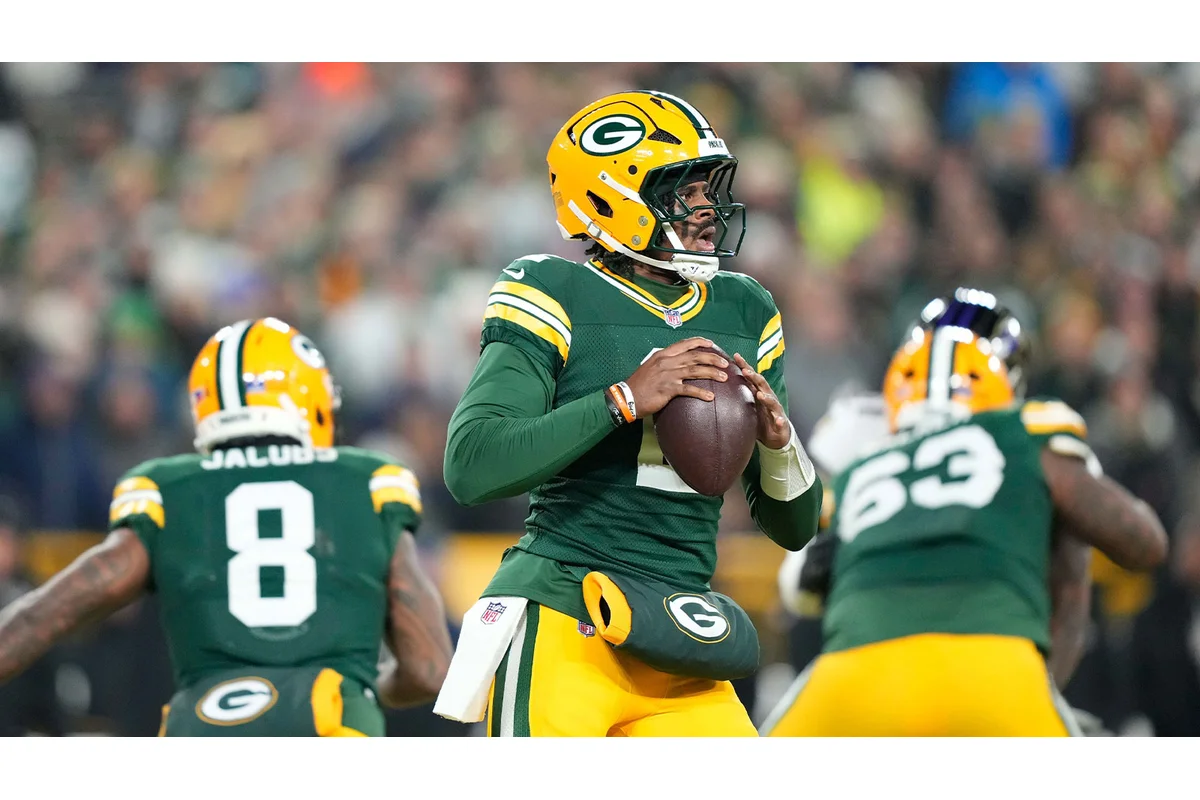
Malik Willis is shaping up to be the most sought-after free-agent quarterback in 2026, provided the Indianapolis Colts re-sign Daniel Jones. NFL Combine reports indicate that any team, including the Minnesota Vikings, aiming to sign Willis should expect to pay a minimum of $30 million annually. This steep price threatens to strain Minnesota’s already tight salary cap.
The Vikings have no excess cap space readily available, so acquiring Willis would require complex financial maneuvers under the salary cap rules.
Willis’s Rising Market Value May Exceed Vikings’ Financial Limits
The quarterback market is shifting rapidly, with Willis’s value surging unexpectedly just under two weeks before free agency begins. NFL insider Jordan Schultz highlighted this trend, emphasizing the strong demand for Willis and the consensus that he will command at least $30 million per year.
“Packers free agent QB Malik Willis is in demand, as expected, and interested teams I’ve spoken to at the Combine in Indianapolis believe him getting at least $30M per year is a foregone conclusion.”
— Jordan Schultz, NFL Insider
Before Schultz’s update, projections placed Willis’s salary between $20 million and $25 million per year based on recent contracts for quarterbacks like Sam Darnold and Baker Mayfield. That assessment now seems outdated.
Current Salary Cap Status Hinders The Vikings’ Ability to Sign Willis
As of early March, the Vikings are over the salary cap by roughly $43 million heading into the legal tampering window on March 9th. This situation means to clear space for a high-priced quarterback, the team must release players or renegotiate contracts, often pushing cap hits to future seasons.
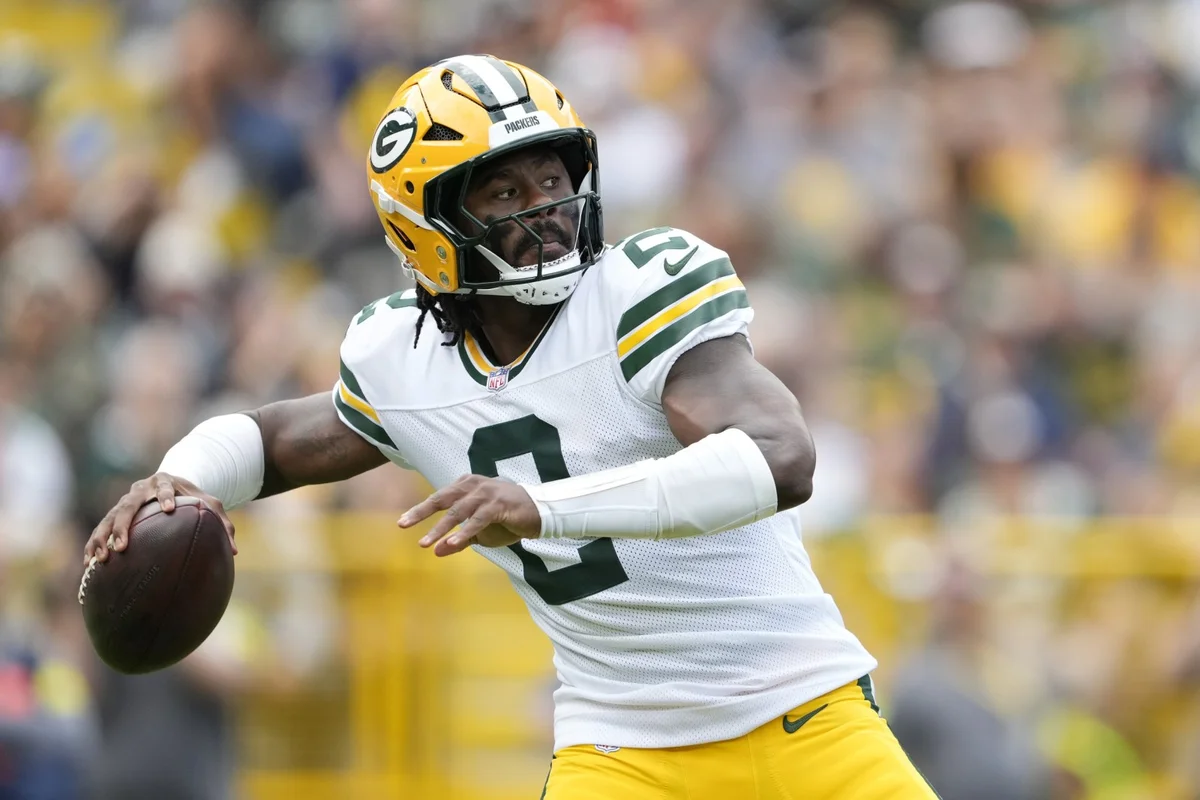
With a gap exceeding $40 million, finding an extra $30 million for Willis feels improbable, particularly less than two weeks before free agency formally starts. Teams struggling with cap issues rarely invest heavily in marquee free-agent quarterbacks, especially those carrying such a high price tag.
In hindsight, Minnesota might have been better off retaining Sam Darnold last year if it intended to spend nearly $30 million on a passer now.
Potential Cap Relief by Restructuring Key Player Contracts
Experts like Warren Ludford from Daily Norseman suggest contract restructuring as one way for Minnesota to generate cap space. Restructuring Justin Jefferson’s contract by converting his $25 million base salary into a signing bonus could spread his cap hit over the remaining contract years, potentially freeing up around $20 million for the current season.
“Jefferson has a $25 million base salary this season and a contract that runs through 2029 with a void year so converting that base salary to a signing bonus would spread the cap hit over the remaining years of his contract and save the Vikings around $20 million in cap space this year.”
— Warren Ludford, Daily Norseman
“That’s probably enough to accommodate the signings of free agents such as Jalen Nailor, Eric Wilson, Ryan Wright, Andrew DePaola, Jalen Redmond (EFRA), Bo Richter (EFRA), Ivan Pace Jr. (RFA), and a few others, along with Mac Jones and Anthony Richardson if the Vikings opt to trade for them.”
— Warren Ludford, Daily Norseman
Though such moves could alleviate some pressure, they may still fall short of the amount required to meet Willis’s expected contract demands along with other offseason signings.
Willis’s Performance and Its Impact on His Valuation
Despite limited experience, Willis’s sample of three starts over two seasons with the Green Bay Packers has attracted considerable attention. If his performance were extrapolated across a full 17-game season, statistics indicate exceptional productivity:
- 3,468 Passing Yards
- 34 Total Touchdowns
- 0 Interceptions
- 6 Fumbles
- 79.6% Completion Percentage
- 986 Rushing Yards
These numbers align closely with those of Lamar Jackson, signaling the potential upside teams see in Willis, making a $30 million contract plausible despite his limited starting experience.
Teams Most Likely to Pursue Malik Willis
Several NFL franchises could be candidates for pursuing Willis, especially as multiple teams face uncertainty at the quarterback position this offseason. The theoretical list includes the Arizona Cardinals, Cleveland Browns, Miami Dolphins, Minnesota Vikings, New York Jets, and Pittsburgh Steelers.
Public consensus places the Dolphins and Jets as prime contenders. Miami’s connection to Green Bay—with defensive coordinator-turned-head coach Jeff Hafley and a recent front office executive hire from Green Bay—strengthens their ties to Willis. Meanwhile, the Jets lack a clear quarterback solution beyond drafting prospects like Alabama’s Ty Simpson.
Analyst Zachary Johnson of Pro Football Network highlighted these developments:
“The Jets, meanwhile, signed former first-round pick Justin Fields to a two-year contract last spring. He’s entering the final year of his deal, but an uninspiring, injury-plagued campaign left head coach Aaron Glenn wanting more out of his signal-caller. The Cardinals are expected to release Kyler Murray for contractual reasons.”
— Zachary Johnson, Pro Football Network
“The former 1st overall pick is likely to have played his last down in Arizona, and, in the eyes of many, a divorce appears to be on the horizon. As for the Dolphins, the connections with Willis are obvious. Jon Eric-Sullivan was just hired as the team’s next general manager after ascending the ranks in the Packers’ front office over the last two decades.”
— Zachary Johnson, Pro Football Network
With other free-agent quarterbacks like Baker Mayfield and Sam Darnold revitalizing their careers recently, Willis is seen by many as the next promising candidate ready to seize a starting role.
Implications for Minnesota Vikings and the NFL Quarterback Market
Given the Vikings’ current salary cap restrictions, the prospect of signing a $30 million-per-year quarterback like Malik Willis appears challenging at best. Even with potential contract restructures and cuts, the financial strain could limit Minnesota’s ability to pursue Willis or other expensive passers.
For the league, Willis’s rising contract expectations could reshape how teams approach free-agent quarterbacks, underscoring the premium on young signal-callers with dynamic playmaking skills despite limited starting history. This market shift will influence offseason strategies and may lead teams to prioritize developing prospects or exploring trades instead of pursuing high-cost free agents.
#Packers free agent QB Malik Willis is in demand, as expected, and interested teams I’ve spoken to at the Combine in Indianapolis believe him getting at least $30M per year is a foregone conclusion. pic.twitter.com/FzB8GaaNPw
— Jordan Schultz (@Schultz_Report) February 25, 2026
