
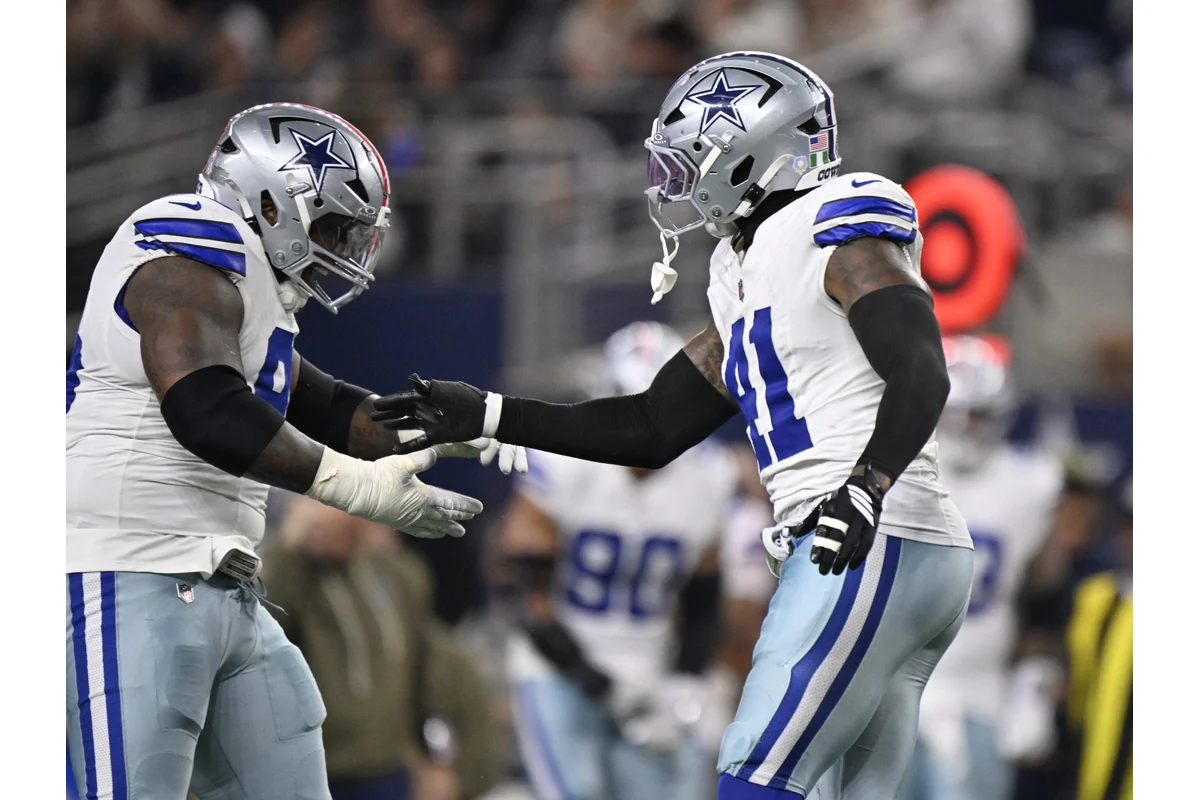
As free agency approaches, the Dallas Cowboys are carefully designing their offseason strategy to rebuild their defense after ranking as the league’s worst last year. Their approach was highlighted over the weekend when they unsuccessfully pursued edge rusher Maxx Crosby, offering a first-round pick this year and a second-rounder in 2027, demonstrating how they balance boldness with caution in acquiring top defenders.
Resisting the Urge to Overspend on One Star Player
The Cowboys recognize that enhancing their defense cannot rely on signing one high-priced free agent like Trey Hendrickson, whose market value is projected to exceed $25 million annually. Drawing lessons from the Seattle Seahawks’ 2023 championship defense, which featured only one player earning over $20 million per year, Dallas seeks a collective upgrade rather than a singularly expensive addition. This measured approach acknowledges that those three $20 million-plus contracts on last year’s Cowboys defense did not translate into success.
Prioritizing Alontae Taylor as a Defensive Cornerstone
Christian Parker, the Cowboys’ new defensive coordinator, envisions a versatile defensive scheme demanding flexible personnel, particularly in the secondary. Cornerback Alontae Taylor of the New Orleans Saints fits this mold perfectly, able to operate both inside in the slot and on the outside effectively. His consistent health record, having played every game for three straight seasons, adds valuable reliability to a Cowboys secondary plagued by injuries. Though Taylor’s market value exceeds $11 million, making him an expensive target, the Cowboys are prepared to invest.
Securing a Defensive Leader alongside DeMarvion Overshown
To complement linebacker DeMarvion Overshown, Dallas is searching for a “green-dot” Mike linebacker capable of orchestrating the defense on the field. Eagles linebacker Nakobe Dean is a prominent candidate due to his familiarity with the defensive system and ability to blitz. However, Dean’s recent injury history means the Cowboys plan to acquire multiple linebackers, potentially including former Giants linebacker Bobby Okereke, to ensure depth and durability at the position.
Exploring Safety Options in Both Free Agency and the Draft
The 2024 safety draft class contains several potential starters, such as Caleb Downs and Bud Clark, offering the Cowboys cost-effective talent prospects. Simultaneously, the team is monitoring affordable free agent safeties who have worked with Parker before, like Reed Blankenship and P.J. Locke, to possibly make a dual investment at the position. This strategy will enable Dallas to strengthen its backfield without overpaying in one area.
Avoiding Further Weaknesses in Key Positions
Although releasing veteran safety Malik Hooker and right tackle Terence Steele could unlock around $20 million in cap space, the Cowboys are cautious about cutting players without sufficient replacements behind them. With depth concerns at these positions, the team prefers to maintain stability rather than create new vulnerabilities while trying to rebuild.
Using the 12th Overall Pick Strategically on Defense
The Cowboys acknowledge their recent struggles drafting defensive talent and intend to make the most of their 12th overall selection. Focusing on critical positions such as cornerback or edge rusher will be vital. If an elite edge rusher or a cornerback like Mansoor Delane from LSU is available, Dallas plans to select him to secure affordable, quality defensive assets that free agency may not provide at reasonable prices.
Trading Down from the 20th Pick to Gain More Mid-Round Picks
To address numerous defensive gaps, Dallas is considering trading back from their second first-round pick at No. 20 to acquire additional second and third-round draft choices. This approach aims to replenish the roster with depth and talent, especially since previous trades depleted the Cowboys’ Day 2 draft capital. Given the draft’s depth this year, targeting mid-round selections could yield multiple starters, accelerating the defensive rebuild.
Allowing Most Own Free Agents to Explore the Market
With nearly 20 players reaching free agency, the Cowboys intend to permit most of their own free agents to test the open market, barring exceptions like exclusive rights players Josh Butler and Reddy Steward. This decision underscores Dallas’s commitment to clearing space and creating a revamped defensive core through fresh acquisitions and new draft talent.
Negotiating Extensions to Manage the Salary Cap
The Cowboys have recently restructured contracts for key offensive players, including Dak Prescott, CeeDee Lamb, and Tyler Smith, and see similar opportunities on defense. They aim to extend defensive tackle Quinnen Williams promptly, as he is a foundational piece deserving of a substantial new contract. Meanwhile, defensive tackle Kenny Clark’s cap hit exceeding $21 million is unsustainable, suggesting either an extension or pay cut will be necessary to free up funds for further moves.
Monitoring Pending Contracts for Brandon Aubrey and George Pickens
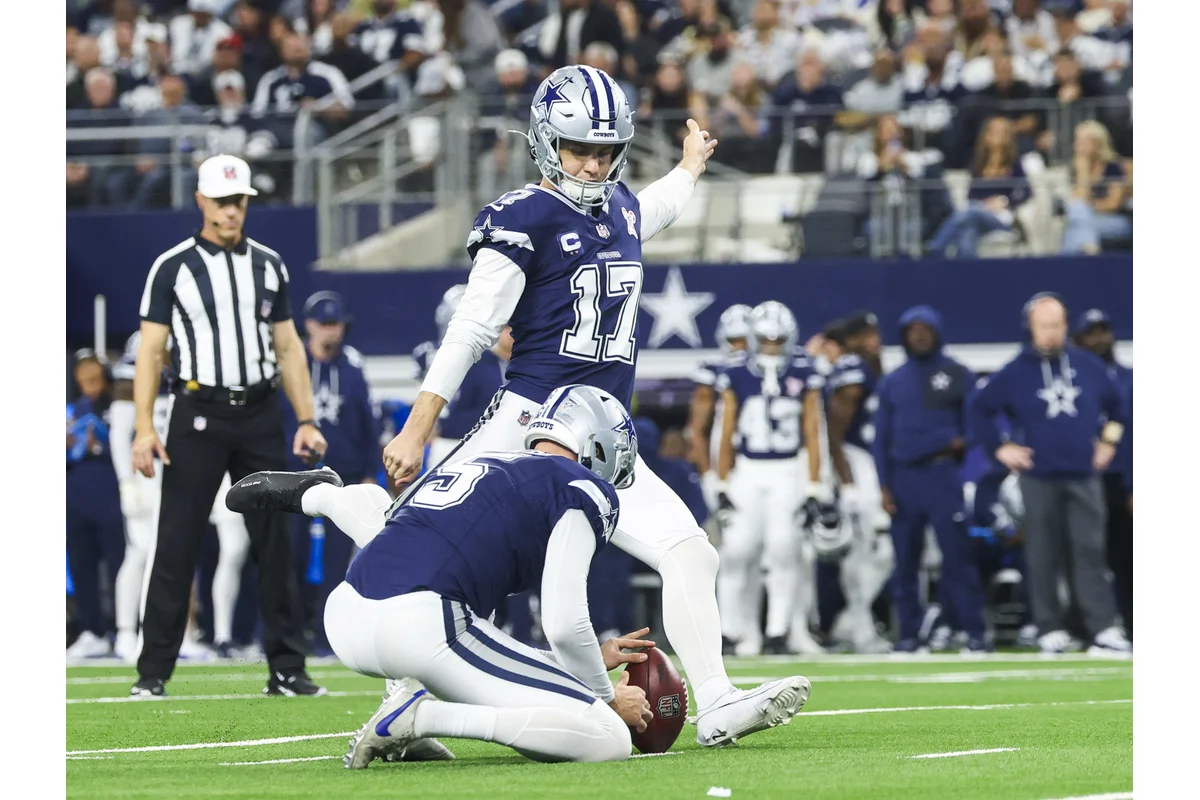
Kicker Brandon Aubrey has expressed interest in exploring his options as a restricted free agent despite the Cowboys offering him a deal that would make him the NFL’s highest-paid kicker, surpassing Harrison Butker’s $6.4 million average annual salary. The Cowboys have placed a second-round tender on Aubrey, requiring any interested team to part with a second-round draft pick and pay a record salary, a scenario that seems unlikely.
Similarly, wide receiver George Pickens is under a non-exclusive franchise tag valued just below $28 million annually. While Pickens’s market value might exceed this, the Cowboys benefit from strong negotiating leverage, as any competing team must surrender first-round draft picks if Dallas chooses not to match an offer. Both players command high value, and the Cowboys are prepared to let their situations unfold, understanding the potential contract negotiations may bring offseason distractions but also leverage.
This 10-step plan reflects the Cowboys’ steady, thoughtful approach to addressing critical roster weaknesses while balancing salary cap realities and market dynamics. If executed well, it could lay the groundwork for a dramatically improved defense and a more competitive team in the 2024 NFL season.
