

Mika Zibanejad, the New York Rangers center and native of Stockholm, Sweden, showed no signs of disappointment upon returning to the NHL following his participation in the 2026 Winter Olympics in Milan, Italy. After scoring a pivotal tying goal in Sweden’s quarterfinal against the United States on February 18, Zibanejad insisted that rejoining the Rangers for their upcoming game against the Philadelphia Flyers at Madison Square Garden would not feel like a letdown.
“I guess I understand your question, but no,’’ Zibanejad said after the Rangers’ practice on Tuesday. “I think, if anything, (playing in the Olympics) gave me more energy. Like, it gave me a little bit of that boost… playing important games and that magnitude and a game that meant a lot. And then obviously we’re getting two guys (American gold medalists J.T. Miller and Vincent Trocheck) that are a lot happier than I am, maybe coming back and bringing more energy like that, too. So I don’t think of a letdown.’’
The Emotional Impact of Olympic Competition
For Zibanejad, skating in the Olympics held significant personal meaning, especially after having been selected for the 2022 Beijing Games only for NHL players to be withdrawn at the last minute. At 32 years old, this opportunity to represent Sweden on such a grand stage carried weight, and the difference between Olympic hockey and regular NHL matchups was clear.
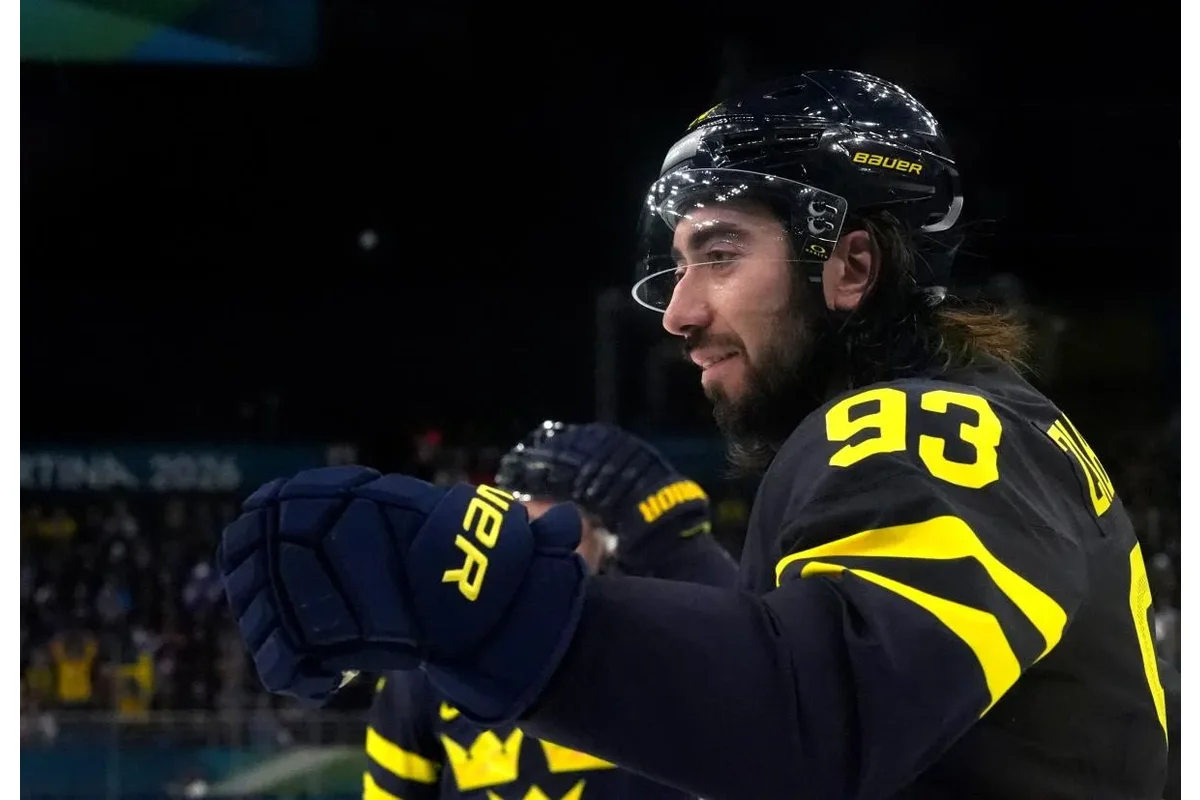
“Yeah, I think it’s human nature not to have the same sense of, I guess, feeling it’s, ‘How do you compare that?’ ’’ he reflected. “I’m not a robot, but it’s human nature to… understand it’s a different emotion. But it doesn’t take away from it being fun playing games.’’
Despite the Rangers’ struggles this season—currently positioned last in the standings and having traded their top scorer Artemi Panarin in a rebuilding effort—Zibanejad remains determined to find joy in the game. His perspective emphasizes the importance of continuing to embrace hockey even when the playoffs are out of reach.
Zibanejad’s Leadership Amid Team Transitions
After an underwhelming 2024-25 campaign, Zibanejad has rebounded strongly in 2025-26, leading the Rangers with 52 points (23 goals, 29 assists) through 56 games. He was also Sweden’s top goal scorer at the Olympics, netting three times, and ranked second in overall points with six.
As the Rangers enter their final 25 regular-season games, they face challenges ahead. Key players like goaltender Igor Shesterkin and defenseman Adam Fox are expected to return from injury, offering a boost, but the team could lose more contributors due to ongoing management decisions. General Manager Chris Drury continues reshaping the roster, trading present assets to acquire future prospects and draft capital.
With Panarin already traded, speculation surrounds the potential departure of second-line center Vincent Trocheck, another team leader. Should Trocheck be moved, many players could become trade candidates, though Zibanejad remains firmly committed to the Rangers.
When recently asked by Newsday if he would waive his full no-move clause to join a playoff-bound team, Zibanejad responded unequivocally: “My focus is to be here. My focus is to help, and be an essential part of this, and try to turn this around.’’
Team Officials Return from Olympic Duties
Following the Olympics in Milan, Rangers General Manager Chris Drury and assistant coach David Quinn, who served with connections to the U.S. Olympic team, returned to team practice on Tuesday. Drury had been an assistant to USA GM Bill Guerin, while Quinn worked alongside head coach Mike Sullivan as part of the U.S. coaching staff. However, U.S. players J.T. Miller and Vincent Trocheck were absent, attending the State of the Union address in Washington at the invitation of President Trump.
Looking Ahead: The Final Stretch of the Season
With the Olympic experience behind them, Zibanejad and the Rangers face a demanding conclusion to their NHL season. The return of injured core players should strengthen the lineup, yet ongoing trades could significantly alter team chemistry.
Zibanejad’s resolve to stay and help improve the Rangers highlights his leadership role during this transitional phase. As the franchise rebuilds, retaining influential figures like Zibanejad will be critical in setting a foundation for future success and reviving the team’s competitive spirit in New York.
