
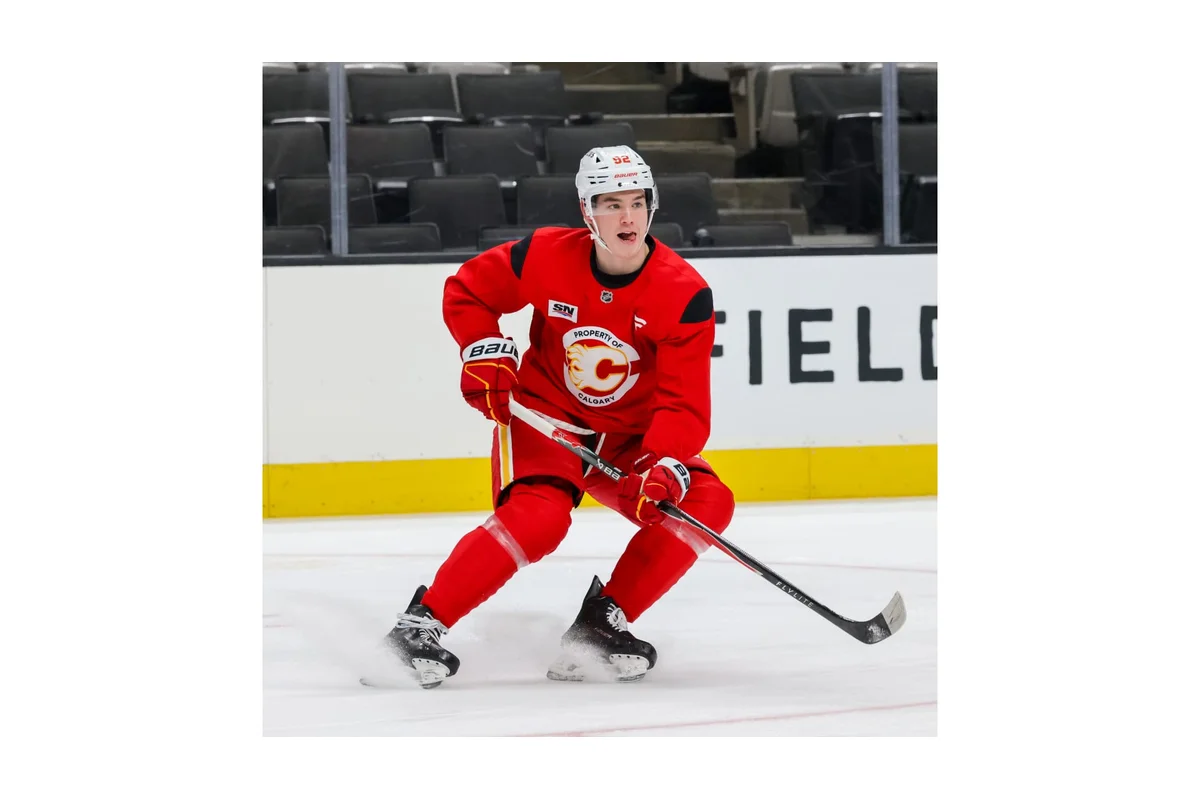
The NHL’s trade deadline for 2026 is fast approaching, and despite earlier speculation, the Calgary Flames seem poised for minimal movement. Insights from Elliotte Friedman’s recent 32 Thoughts episode indicate the Flames intend to approach the upcoming deadline with caution, resisting the pressure to make significant trades. As the Flames evaluate their roster, this measured strategy revolves around player contentment and asset management.
Zach Whitecloud Unlikely to Be Part of Trade Discussions
Zach Whitecloud, a newly acquired defenseman, was initially seen by many as a potential trade candidate. Contrary to those expectations, Friedman reveals that Whitecloud has expressed satisfaction with his role in Calgary and is not eager to depart.
“Another team told me that they heard that Whitecloud is not in a hurry to get out of there. That he’s not the he’s not someone who shows up and says ‘Nope, this isn’t for me, and can I go somewhere else?’
Now this doesn’t mean he doesn’t get traded, it just means the Flames are happy to have players who are happy there and they’re not motivated to move him. But I’ve just heard from a couple teams that Whitecloud indicated to the Flames he’s happy to stay and therefore they’re not rushing him to the front of the list.”
— Elliotte Friedman, NHL Insider
Though Whitecloud occupies a roster spot that could arguably be better utilized by younger talent, the Flames appear committed to retaining veterans who are comfortable with their NHL situation. This stance may limit trading options that could yield draft picks or other assets, even if restructuring could benefit the team’s future.
Challenges Loom Over Potential Nazem Kadri Trade
The Flames’ most valuable trade asset is unquestionably center Nazem Kadri. Despite significant chatter about a possible deal, recent reports suggest a trade involving Kadri is not a straightforward prospect. Friedman highlights the market dynamics surrounding Kadri’s contract and age as complicating factors.
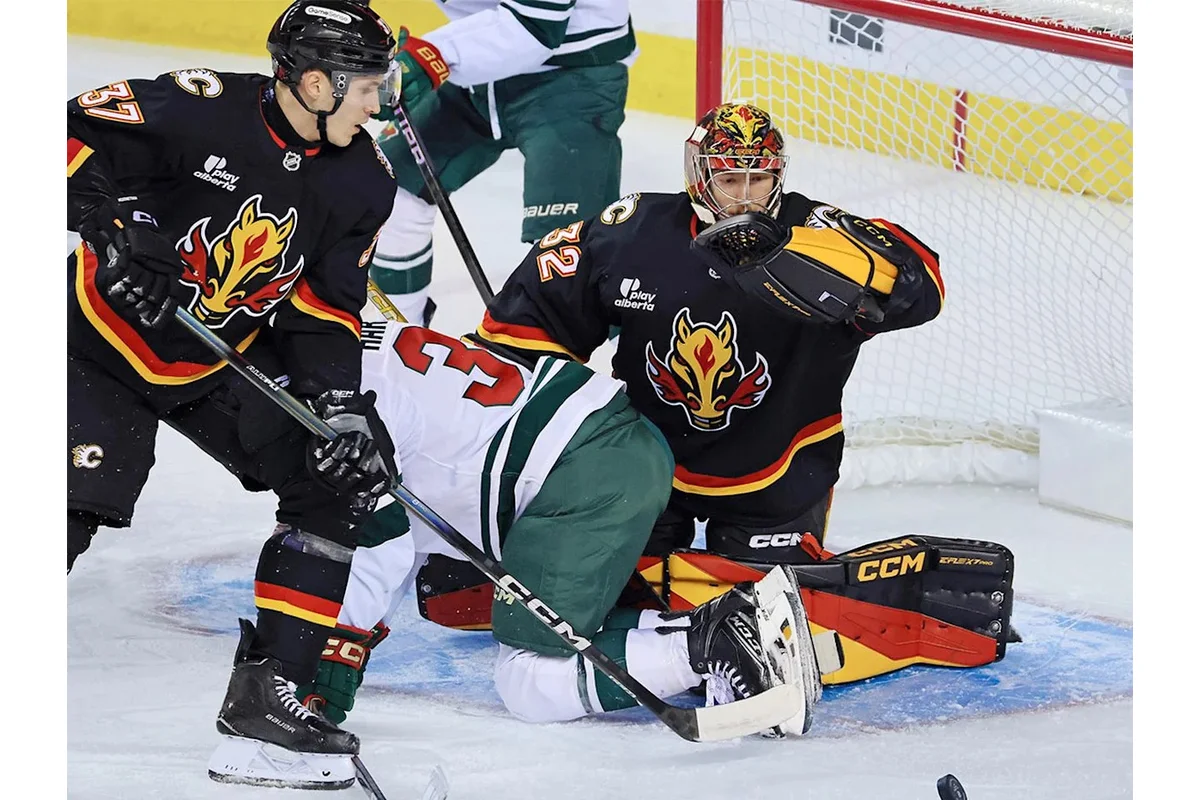
“The biggest challenge I think the Flames will have is that all of their guys have competition. Kadri, I think people love Kadri the player. I’m not sure they’re crazy about the term.
And also there’s other centers. There’s Trochek who we’ve mentioned, there’s O’Reilly… there’s other centers available. So, while I do think people like Kadri the player, between the age and the term, I think that’s the challenge that the Flames are going to have.”
— Elliotte Friedman, NHL Insider
Although Kadri is respected for his play, his contract length and cost have made teams hesitant, especially with less expensive centers like Vincent Trocheck and Ryan O’Reilly available. This situation suggests that any significant trade involving Kadri might be postponed until the offseason, reducing immediate trade deadline action.
General Manager Craig Conroy’s Approach to Trades: Exercise Caution and Patience
Beyond Whitecloud and Kadri, attention is also on players like Blake Coleman and MacKenzie Weegar. Through Friedman’s commentary, it is clear that Craig Conroy, Calgary’s general manager, favors patience when dealing with veteran players rather than rushing trade decisions.
” And like I said, people like Coleman, people like Weegar, but there are other players around them. And Conroy has shown he’s not afraid to be patient. If you look at some of the deals he’s made to get younger, when he has had some leverage to wait, he’s done a pretty good job using that.”
— Elliotte Friedman, NHL Insider
This cautious stance is consistent with past Flames trade behavior, where players such as Noah Hanifin and Rasmus Andersson were dealt closer to their contract expirations, often limiting the return value. The team appears willing to endure potential uncertainty at the deadline rather than surrender key assets prematurely.
Trade Deadline Outlook: Flames Favor Stability Over Aggressive Moves
Overall, the Flames’ trade deadline strategy is leaning toward minimal disruption. Retaining players like Whitecloud who express satisfaction and delaying difficult trades for assets like Kadri suggests the organization prioritizes roster cohesion and long-term planning. Craig Conroy’s management style emphasizes leverage and timing, opting for patience over hurried decisions, even under the pressure of the looming deadline.
Given the crowded market for centers and the presence of comparable alternatives, the Flames may find fewer suitors willing to meet their contract demands. As such, their involvement in the trade chatter may remain subdued throughout the final week prior to the deadline.
With key upcoming games scheduled at venues like the Crypto.com Arena, Honda Center, and Scotiabank Saddledome, the Flames need stability to focus on performance as the season progresses. The subdued trade activity could reflect an organizational belief that maintaining the current squad provides the best chance to compete in these critical matchups and beyond.
