
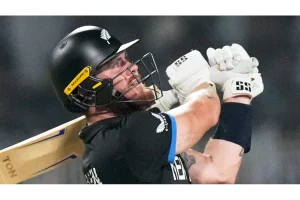
Major League Cricket (MLC) is the United States’ first fully professional Twenty20 cricket league, launched in 2023 and sanctioned by USA Cricket as the top tier of the domestic pyramid. It features six city‑based franchises backed by a mix of global cricket investors, IPL ownership groups, and U.S. tech capital, with a compact summer schedule designed to fit between MLB and NFL windows and appeal to both hardcore cricket fans and curious American sports viewers. The league blends IPL‑style franchise branding, overseas superstars, and a U.S.‑driven development mandate to position the country as a serious long‑term T20 market.
Origins and Early History
MLC grew out of American Cricket Enterprises (ACE), a private consortium that secured long‑term commercial and event rights from USA Cricket to build a fully professional T20 league and a supporting domestic structure. ACE’s mandate was not just to stage a flashy tournament, but to create a pyramid: a developmental base, a professional mid‑tier, and a marquee league at the top.
Key early milestones:
-
Minor League Cricket (MiLC) launched in 2021 as the first major step, with more than two dozen teams across U.S. regions playing a 20‑over competition geared toward domestic players. MiLC functions as MLC’s primary feeder system, giving U.S.‑based professionals and dual‑passport players a structured environment to compete, be scouted, and earn call‑ups.
-
The first flagship venue was Grand Prairie Stadium in Grand Prairie, Texas, a former baseball facility that was redeveloped into a cricket‑specific ground with drop‑in pitches, upgraded seating, and broadcast‑ready infrastructure. Its conversion symbolized MLC’s intent to invest in permanent cricket infrastructure rather than relying solely on makeshift fields.
-
After years of planning, the inaugural MLC season was staged in July 2023, featuring a short, intense tournament window with all six founding franchises:
The 2023 competition was played primarily at Grand Prairie Stadium and a small number of approved auxiliary venues, some of them temporary or dual‑use, reflecting the league’s incremental approach to facility build‑out. From launch, MLC was explicitly framed as a long‑term project tied to USA Cricket’s national‑team ambitions and ICC’s Americas strategy, not a one‑off exhibition.
Growth, Franchise Identities, and Global Ties
From day one, MLC leaned heavily into global T20 brand recognition, especially through its links to the Indian Premier League (IPL):
-
MI New York is the U.S. flagship of the Mumbai Indians ownership group, sharing branding DNA and some back‑office/analytic resources.
-
Texas Super Kings are aligned with Chennai Super Kings (CSK), mirroring the yellow kit and Super Kings branding used in the IPL and South Africa’s SA20.
-
Los Angeles Knight Riders extend the Kolkata Knight Riders (KKR) brand, joining a global KKR network that also includes Caribbean and other T20 teams.
The other three franchises bring in owners and operators with deep T20 experience and strong capital backing:
-
Seattle Orcas – backed by investors with connections to the IPL and other T20 ecosystems, focused on the Pacific Northwest and its tech‑heavy, globally diverse demographic.
-
San Francisco Unicorns – built around Bay Area tech and venture capital, targeting Silicon Valley’s international workforce and strong South Asian diaspora.
-
Washington Freedom – anchored in the D.C.–Maryland–Virginia (DMV) region, leveraging policy, diplomatic, and international community ties.
Player recruitment strategy has been two‑pronged:
-
International stars – marquee T20 names such as Andre Russell, Sunil Narine, Quinton de Kock, and other franchise‑league standouts were signed to give the league instant credibility and broadcast appeal.
-
Domestic core – U.S.‑eligible players from Minor League Cricket, college environments, and USA Cricket’s national and age‑group squads fill the bulk of squad spots, ensuring that MLC serves as a genuine performance test for national‑team contenders.
Markets were deliberately chosen with cricket‑friendly demographics and growth potential in mind:
-
Dallas–Fort Worth (Grand Prairie) – large South Asian and Caribbean diaspora; central location; existing sports infrastructure.
-
Seattle – strong Indian and tech‑sector population, plus West Coast time zones for Asia.
-
Bay Area – major South Asian, East Asian, and tech workforce concentration.
-
New York region – global city with large Caribbean, South Asian, and British Commonwealth communities.
-
Los Angeles – massive TV market, multicultural profile, and year‑round weather.
-
Washington D.C. – international institutions, embassies, and expat communities.
These choices reflect MLC’s strategy: anchor in diaspora hubs first, then expand horizontally into more casual American sports audiences once awareness and familiarity are established.
Modern Era: Format, Analytics, and Infrastructure
MLC follows standard T20 Laws of Cricket—20 overs per side, white Kookaburra‑style ball, colored team kits, and night matches under floodlights—but wraps them in a schedule and presentation tuned for U.S. consumption.
Season Format
-
Compact summer window: MLC runs in July–early August, a period with no NFL, limited NBA/NHL activity, and only mid‑season MLB, minimizing direct competition with football and basketball.
-
League stage:
-
Inaugural season: 15 league matches in a single round‑robin (each team plays every other once).
-
Subsequent seasons: league games expanded (e.g., to 21 matches) so each franchise gets more fixtures while keeping the calendar manageable for broadcasters and venues.
-
-
Playoff structure (IPL‑style):
-
Qualifier 1: 1st vs 2nd – winner advances directly to the final.
-
Eliminator: 3rd vs 4th – loser eliminated.
-
Qualifier 2 / Challenger: loser of Qualifier 1 vs winner of Eliminator – winner reaches the final.
-
Final: Winner of Qualifier 1 vs winner of Qualifier 2 decides the champion.
-
This format rewards top‑two finishers with a second chance, incentivizing strong league performance while still giving lower seeds a viable path.
Venues and Infrastructure
-
Grand Prairie Stadium (Texas) – the league’s flagship venue, with:
-
A re‑laid cricket square and outfield on a former minor‑league baseball site.
-
Broadcasting infrastructure, LED boards, and premium seating aimed at both in‑person fans and global TV.
-
-
Secondary venues – include temporary stadia and upgraded grounds in other host cities, gradually moving toward dedicated cricket facilities in Seattle, Bay Area, New York, and D.C.
-
Long‑term, MLC is investing in:
-
Cricket academies tied to each franchise.
-
High‑performance centers for conditioning, analytics, and skills work.
-
Youth programs (U13–U19) to capture talent before it migrates exclusively to baseball or other sports.
-
Broadcast, Analytics, and Fan Experience
-
Broadcast and streaming:
-
Domestic coverage via Willow‑type cricket channels, streaming platforms, and FTA sports networks as distribution expands.
-
International distribution into India, UK, Australia, South Africa, and the Caribbean, aiming to plug MLC into the global T20 calendar alongside IPL, BBL, PSL, and others.
-
-
Analytics integration:
-
Franchises import analyst teams and data vendors familiar with match‑ups, boundary‑percentage maps, and phase‑of‑play metrics, adapting IPL and Big Bash practices.
-
Data is used heavily for auction/draft strategy, in‑game match‑ups (spin vs left‑handers, death‑over specialists), and workload management for fast bowlers.
-
-
Fan experience:
-
Focus on evening double‑headers, food‑truck villages, music, and in‑stadium entertainment tailored to American stadium culture.
-
Short match length (~3 hours) and highlight‑friendly content for social platforms, leaning into reels/shorts rather than relying solely on full‑match viewers.
-
Yearwise Champions: MLC Winners So Far
As of now, MLC has only a short history of completed seasons, but its early finals have already produced high drama and signature performances.
2023 – MI New York
-
Champion: MI New York
-
Runner‑up: Seattle Orcas
-
Venue: Grand Prairie Stadium, Texas
-
Key storyline:
-
Seattle Orcas posted 183 in the final, a competitive total on a good batting strip.
-
Nicholas Pooran produced one of the great T20 innings on American soil, smashing 137 off 55 balls*, with a flurry of sixes that turned the chase into a one‑man demolition.
-
MI New York won by seven wickets, setting the tone for MLC as an entertainment‑heavy league where a single world‑class innings can flip a final.
-
This inaugural title was a symbolic milestone for professional cricket in the U.S., validating the idea that a U.S.-based league could attract top talent and deliver globally relevant performances. The Orcas’ run to the final showed that non‑IPL‑branded franchises could compete immediately, a good early sign for competitive balance.
(Subsequent seasons would add champions and runners‑up to this list, gradually building a record book of finals, MVPs, and statistical milestones that shape the league’s lore. Given current constraints, a complete future winners list isn’t yet available.)
Structure, Teams, and Playoffs Today
MLC currently operates as a six‑team, single‑entity league under ACE, with each franchise run by investor‑operators who share league‑level costs and revenues within a central commercial framework.
Franchises
-
Los Angeles Knight Riders – KKR‑aligned, West Coast, Hollywood and SoCal hub.
-
MI New York – Mumbai Indians’ American arm, focused on New York metro area.
-
San Francisco Unicorns – Bay Area tech‑backed, leaning into innovation and analytics.
-
Seattle Orcas – Pacific Northwest, tech and aviation economy base.
-
Texas Super Kings – CSK‑aligned, centered in the Dallas–Fort Worth region.
-
Washington Freedom – Nation’s capital region, focused on international communities and policy/embassy links.
Rosters and Player Rules
-
Squads blend overseas marquee players (usually 5–7 per XI, depending on playing‑conditions rules) and U.S.‑based or U.S.-eligible locals.
-
Player acquisition uses a mix of drafts, direct signings, and retention rules, similar in philosophy to the IPL but scaled to MLC’s smaller market.
-
MiLC performance, USA Cricket appearances, and academy output heavily influence local signings, ensuring a clear pathway from amateur or semi‑pro cricket into MLC contracts.
Current Playoff Format
-
League phase: Each team plays all others at least once (and, in expanded seasons, twice).
-
Top four qualify for playoffs.
-
Qualifier: 1st vs 2nd – winner to final, loser to Challenger.
-
Eliminator: 3rd vs 4th – loser out, winner to Challenger.
-
Challenger/Qualifier 2: loser of Qualifier vs winner of Eliminator – winner reaches final.
-
Final: winner of Qualifier vs winner of Challenger decides the champion.
This system rewards finishing top‑two and gives both fans and broadcasters a multi‑night playoff narrative that resembles IPL and Big Bash structures.
Why Major League Cricket Matters
Major League Cricket is a test case for embedding cricket inside the crowded U.S. sports marketplace, using the T20 format and city‑based franchises to bridge:
-
Existing diaspora fans – South Asian, Caribbean, British, African, and Australasian communities who already follow cricket passionately.
-
New American audiences – sports fans familiar with baseball, basketball, and NFL who can easily relate to a bat‑and‑ball game in a 3‑hour, entertainment‑driven package.
MLC’s significance extends beyond pure entertainment:
-
Infrastructure – it accelerates the build‑out of purpose‑built cricket stadiums, high‑performance centers, and grassroots facilities, leaving a tangible legacy for USA Cricket and future ICC events.
-
Development pyramid – with MiLC, academies, and youth programs feeding into MLC, the U.S. now has a clear domestic pathway for talent, which is crucial as the country targets sustained competitiveness in international cricket.
-
Commercial gateway – MLC provides global broadcasters, sponsors, and IPL‑linked owners a structured entry into the U.S. sports market at the exact moment the U.S. is co‑hosting major ICC events (like the 2024 ICC Men’s T20 World Cup), creating a feedback loop between international tournaments and domestic interest.
-
Cultural exchange – it offers American sports culture a new set of city rivalries (NY vs LA, Texas vs Seattle, DC vs SF) in a fresh context, and gives cricket one of the world’s largest sports economies as a new frontier.
For fans, MLC delivers high‑intensity T20 nights, elite overseas stars sharing a field with U.S. national‑team hopefuls, and an emergent set of historical records, champions, and rivalries that will grow with each season. As the league matures, its champions list, MVPs, and memorable finals will form the backbone of a uniquely American chapter in cricket’s global story.