
As pitchers and catchers report to Mesa, Arizona, the Chicago Cubs enter spring training with their offseason blueprint largely fulfilled, highlighted by the key additions of third baseman Alex Bregman and starting pitcher Edward Cabrera. These acquisitions are aimed at bolstering a roster that posted a solid 92-win season last year and returned most of its core lineup, with only a few spots on the opening-day roster still undecided. The Cubs’ efforts now center on configuring their bench for greater versatility and depth as they prepare for the 2026 campaign.
Establishing the Position Player Bench Strategy
The starting lineup for the Cubs is mostly locked in barring unforeseen injuries, steering attention toward how the bench roles will be finalized. The catchers’ platoon includes Miguel Amaya alongside Carson Kelly, while infielder/outfielder Tyler Austin and Matt Shaw, who will also gain experience in the outfield as a superutility candidate, are key to the team’s bench composition. The primary areas of uncertainty revolve around the choice for the fourth outfielder and whether Moisés Ballesteros will secure a spot to contribute as a regular designated hitter.
Given that the 2025 Cubs featured one of the healthiest starting groups in the majors, management is cautiously preparing for the possibility of regression in player health. This concern prompted then offseason moves to strengthen bench options, such as signing Austin and claiming outfielder Justin Dean off waivers, alongside minor-league signings including Chas McCormick and Dylan Carlson, both invited to big-league camp. This trio’s ability to cover all outfield positions adds valuable depth behind center fielder Pete Crow-Armstrong and provides manager Craig Counsell with lineup flexibility, especially when facing tough left-handed starters.
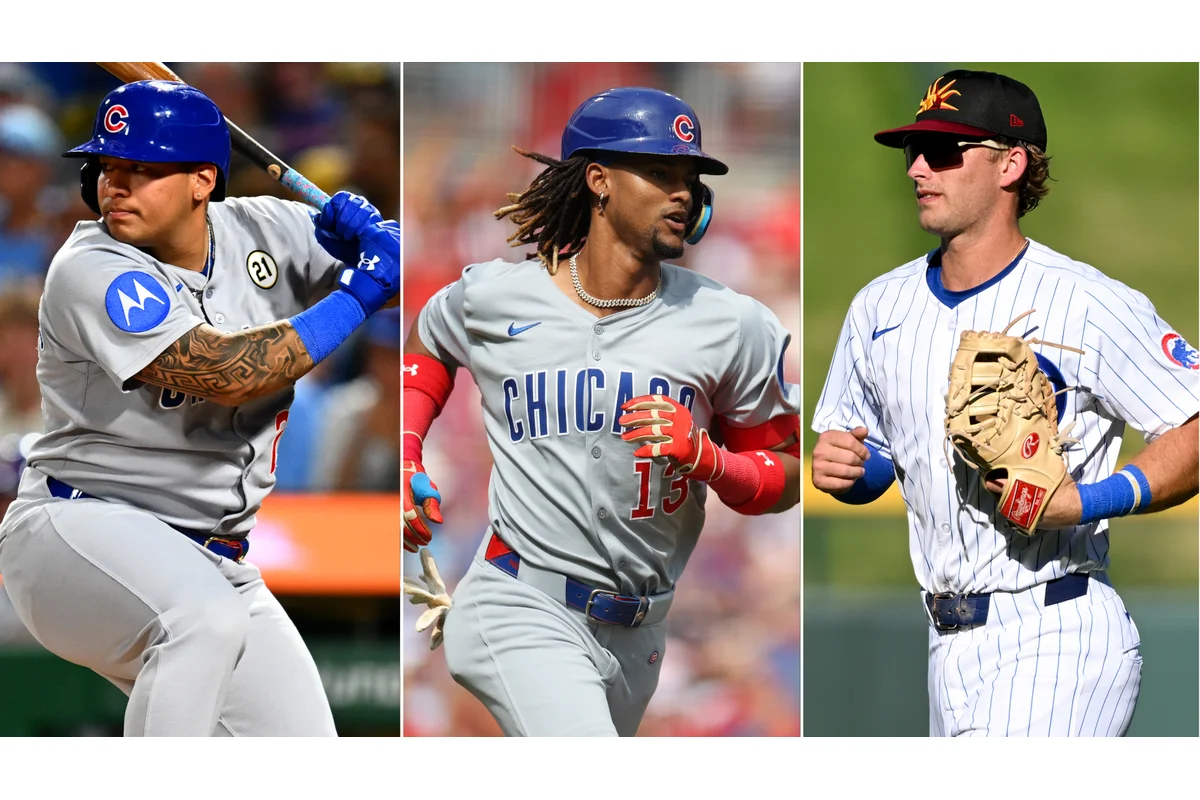
Kevin Alcántara also remains in consideration as a bench player, with the Cubs having secured a fourth option year for the 23-year-old, allowing the flexibility to start the season at Triple-A Iowa if the team prefers McCormick or Carlson’s more seasoned presence early on.
Deciding Ballesteros’s Role and Batting Opportunities
Ballesteros’s potential role as a designated hitter is a key area of evaluation during camp. The team is weighing the benefits of providing him with consistent major league plate appearances versus keeping him catching regularly at the Triple-A level. General manager Carter Hawkins remarked on the uncertainty but expressed confidence in Ballesteros’s future impact:
“Whether he starts with the club or not, we feel like he’s a great option for us and feel like he’s going to be a great hitter in this league for a long time,” Hawkins said. “We want to have him catch, we want to make that value be not just the bat so we’ll be focused on that too.”
With Shaw and Austin’s positional versatility, the Cubs can preserve their regular starters in the lineup while giving them occasional rest days at their defensive positions and using the designated hitter spot effectively.
Exploring Pitching Depth and Potential Additions
The Cubs front office, led by president of baseball operations Jed Hoyer, remains vigilant about opportunities to enhance the team before the regular season commences. Although their pitching staff includes promising arms, concerns about durability and depth emphasize the importance of potentially signing additional talent. Right-hander Zac Gallen remains an attractive option due to his youth and potential upside, although his cost could be significant. Other free-agent pitchers under consideration if financial terms align include righties Chris Bassitt, Nick Martinez, Evan Phillips, Zack Littell, and Michael Kopech.
The 2025 postseason exposed the critical nature of reliable pitching depth, as injuries and performance issues hampered the starting rotation. The Cubs face a similar challenge in 2026, with limited starting pitching prospects ready to contribute, most notably right-hander Jaxon Wiggins. Wiggins could follow a development path similar to Cade Horton and debut later in the year, while the return of lefty Justin Steele is expected to strengthen the rotation.
Bullpen Composition and Development Prospects
Manager Craig Counsell values relievers who can generate strikeouts, and the Cubs’ bullpen figures to feature a blend of returning arms and fresh additions. Right-handers Daniel Palencia, Phil Maton, Hunter Harvey, Jacob Webb, and lefties Caleb Thielbar and Hoby Milner are all projected contributors this season. The roles of Colin Rea and Javier Assad are yet to be finalized, with the possibility that Assad, along with Ben Brown and Jordan Wicks, could start in Triple-A to preserve starting pitching depth while continuing their development.
The Cubs also possess several optionable bullpen arms on the 40-man roster, including left-handers Ryan Rolison and Luke Little, as well as right-hander Gavin Hollowell. Porter Hodge, who showed promise during a standout 2024 rookie campaign, hopes to rebound from a difficult 2025 marked by injuries and inconsistency, making his early-season form an intriguing question mark. Nonroster invitees such as Trent Thornton, Collin Snider, Corbin Martin, and Jeff Brigham also provide depth and have the potential to emerge as key bullpen contributors during camp.
The organization hopes to find a late spring training performer akin to Brad Keller, who made a significant impression last year and earned a multi-year deal following his breakout role in the Cubs bullpen before signing with the Philadelphia Phillies.
Outlook for the 2026 Season and Team Depth
The 2026 Chicago Cubs are positioned to leverage a mostly intact roster with strategic improvements to the bench and pitching staff. The depth in position players and bullpen arms offers manager Craig Counsell the flexibility needed to navigate the long season and postseason challenges. How Moisés Ballesteros’s role develops will influence lineup construction, and the decisions regarding bench players like Shaw, Austin, McCormick, and Carlson will be central to maintaining a healthy and competitive team.
Adding a veteran arm before the start of the season remains a possibility, with the front office actively monitoring free-agent pitchers to help safeguard against rotation injuries. The development timelines of pitching prospects such as Jaxon Wiggins and the bullpen’s evolving arms will be crucial in sustaining the team’s postseason aspirations after last year’s success.
