
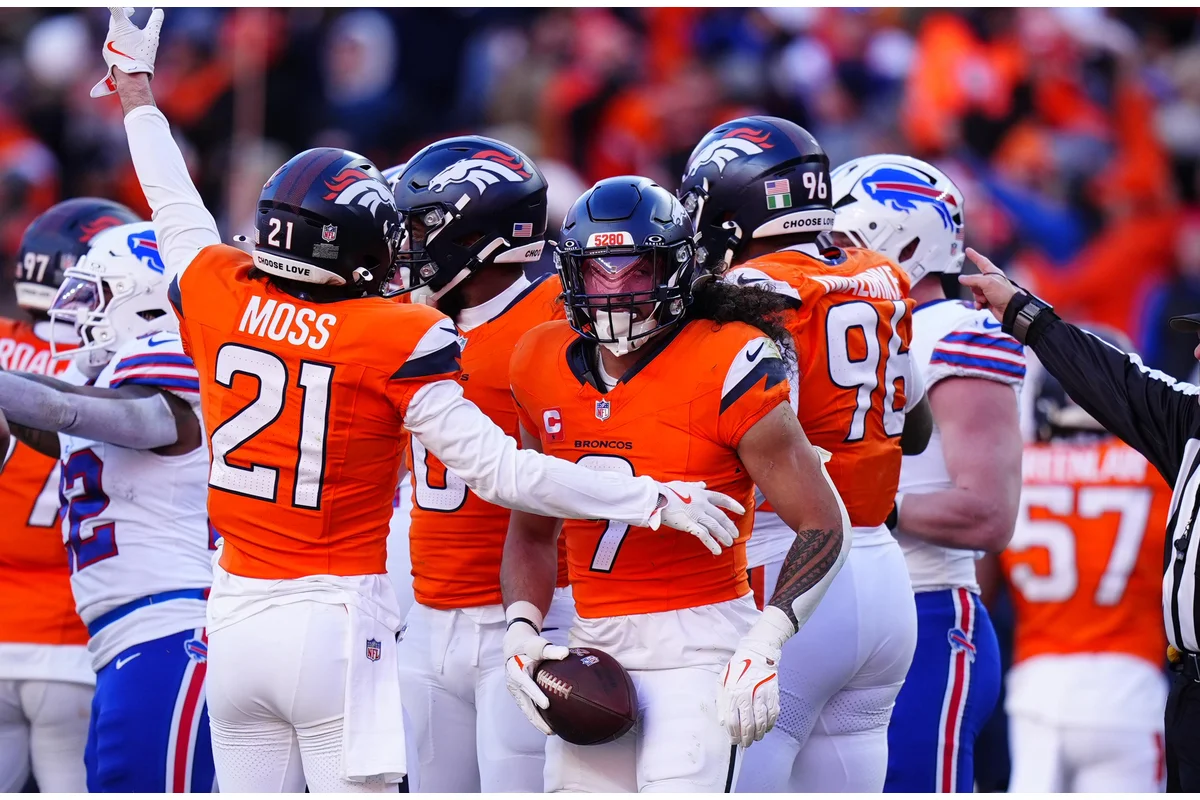
The Denver Broncos face a critical decision on Riley Moss’s trade potential as they approach the final year of his rookie contract in 2026. With Moss serving as a starting outside cornerback opposite Patrick Surtain II, the team must evaluate if their 2025 first-round pick, Jahdae Barron, is prepared to succeed Moss in that role.
If the Broncos conclude Barron is ready to step up, they may consider trading Moss to acquire valuable draft assets or a potential starter in return.
San Francisco 49ers Among Leading Teams Interested in Acquiring Moss
According to Bleacher Report’s Alex Ballentine, multiple teams have expressed interest in Riley Moss as a trade target, highlighting the San Francisco 49ers as a primary contender. Additionally, the Miami Dolphins and Pittsburgh Steelers also appear as possible destinations for the cornerback.
The 49ers present a promising fit for Moss, offering a new environment after three impressive seasons with Denver, including two as a full-time starter. San Francisco’s secondary struggled throughout the season, creating a need for fresh talent.
The secondary was a problem for San Francisco all season,
Ballentine noted.
Deommodore Lenoir could be a trade candidate and the Niners will need to bring in new talent. Riley Moss has been good for the Broncos, but it’s unclear if they’ll want to sign him to a lucrative extension when they just drafted Jahdae Barron.
Riley Moss Emerges as Broncos’ Primary Trade Candidate
Spotrac’s Michael Ginnitti recently identified Riley Moss as the most likely member of the Broncos’ roster to be traded following their 10-7 loss to the New England Patriots in the AFC Championship Game. Moss’s performance in the 2025 season was strong, starting all 17 games and excelling particularly in run defense.
Moss started all 17 games in 2025, and has now put together back-to-back strong seasons, especially as it pertains to stopping the running game,
Ginnitti explained.
However it stands to reason that 2025 1st-round pick Jahdae Barron will be ready to step into his role going forward, putting Moss — who is entering a contract year in 2026 — on the outside looking in.
Playing opposite Surtain is a challenging assignment, but Moss has consistently performed well, especially during the stretch when Surtain missed three games due to a pectoral injury. Moss’s ability to take over as the de facto CB1 helped the Broncos secure a 3-0 record in those games.
Should the Broncos decide to trade Moss, they appear intent on sending him to an NFC team, as a move to another AFC club could create a competitive disadvantage in future matchups.
Concerns Remain Over Jahdae Barron’s Readiness at Cornerback
Despite Moss’s trade potential, the alternative option—the young Jahdae Barron—has yet to demonstrate readiness for full-time starting duties. Attempts to place Barron at slot cornerback have been problematic, with him frequently outmatched by undrafted free agent Ja’Quan McMillian, who distinguished himself with a pivotal interception in overtime against the Buffalo Bills during the AFC Divisional Round.
ESPN’s Aaron Schatz identified Barron as Denver’s Biggest Weakness entering the postseason, specifically emphasizing his struggles at nickelback when covering slot receivers.
Implications of a Potential Moss Trade for the Broncos
The decision to trade Riley Moss carries significant weight for the Broncos’ defensive strategy moving forward. While moving on from a high-performing cornerback could yield draft capital or a new starter, it also risks exposing vulnerabilities if Barron or another replacement does not adequately fill the gap. The Broncos must balance the cost of losing an established defender against the potential benefits of refreshing their secondary ahead of the 2026 season.
Several NFC suitors, notably the 49ers, seem poised to capitalize on the Broncos’ uncertainty, which could reshape defensive lineups across the league. The coming offseason promises to be closely watched by analysts and fans alike as Denver navigates this pivotal roster decision.
