
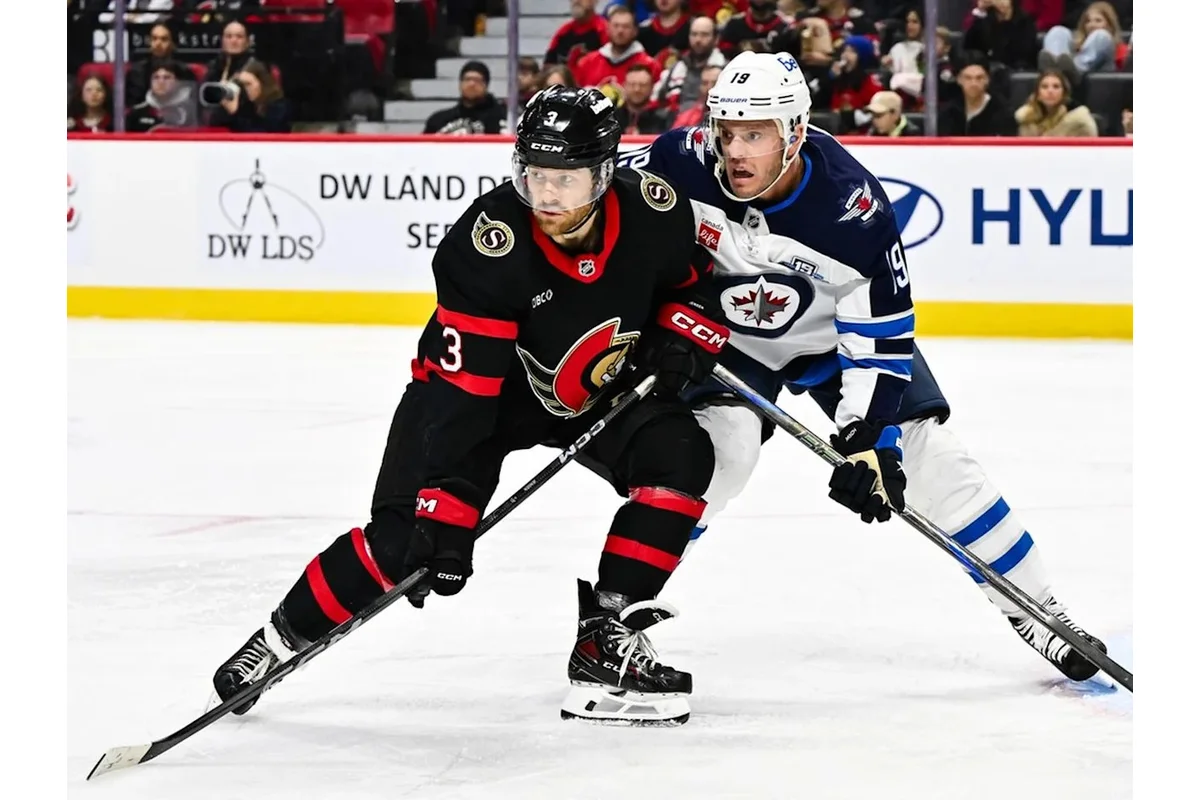
With the NHL trade deadline less than a month away and the Olympic break underway, the Ottawa Senators must decide their approach amid a tense playoff battle. The team, built to contend this season, risks falling short of last year’s postseason appearance unless they make strategic moves. The Ottawa Senators trade deadline decisions will be crucial, especially given they currently lack a first-round pick in the upcoming NHL Entry Draft.
Team Performance and Current Standing
The Senators hold a record of 28 wins, 22 losses, and 7 overtime losses, placing them 6th in the Atlantic Division with about a 42.2% chance of making the playoffs. Despite a strong run before the Olympic break, the team faces an uphill climb to secure a wild-card spot. Their recent form suggests some momentum, but stronger goaltending and roster depth are essential to maintain competitiveness.
Financial and Roster Constraints Ahead of Deadline
As of the deadline, Ottawa has approximately $13.95 million in salary cap space, utilizing one-third of their salary retention slots and 45 of 50 contracts available. This limited flexibility shapes their capacity to add new players or absorb salary in trades. The Senators’ roster situation demands careful balancing between improving the lineup and preserving assets.
Draft Picks and Future Assets
Upcoming draft selections include multiple mid-round picks through 2026 and a series of first-to-sixth round picks for the 2027 draft, offering the team a deep prospect pipeline. Their 2025 first-round pick (23rd overall) and other draft capital provide trade flexibility but must be weighed against short-term goals.

Potential Trade Candidates Within the Organization
If Ottawa opts to make moves, several players could be available as trade chips. Forwards such as David Perron, Lars Eller, Nick Cousins, and Claude Giroux, along with defenseman Nick Jensen, could be moved to retool or strengthen the roster. However, recent reports indicate the Senators may take a conservative buyer approach, aiming to add rather than subtract.
The Senators’ top prospect, defenseman Carter Yakemchuk, currently playing in the AHL with Belleville, is unlikely to be moved due to his long-term value. Another defensive prospect, Logan Hensler, a 2025 first-round pick currently at the University of Wisconsin, might be considered for trade packages. Hensler’s steady defensive style complements Yakemchuk’s offensive skills and could attract interest as part of a multi-asset deal.
Meanwhile, goaltender Mads Sogaard’s tenure with the team appears uncertain. Despite a promising beginning in the AHL, his performance has declined, and the Senators might be inclined to move him before the deadline or let him depart in free agency. Any trade involving Sogaard would likely return only late-round draft picks but could be combined with other trades to facilitate roster improvements.
On offense, rookie Stephen Halliday has been a pleasant surprise in his NHL appearances, contributing four goals and seven assists across 25 games. His combination of size and offensive potential makes him a candidate to attract offers from teams seeking young talent, though his skating limitations temper expectations.
Key Roster Needs as the Deadline Approaches
One pressing need for Ottawa is securing a reliable top-six center. The previous season’s acquisition, Fabian Zetterlund, was expected to fill this role but has struggled and now plays primarily on the fourth line. While some fans might look to veterans like Perron as a solution, his age and injury history make that a risky option. Instead, the Senators might pursue mid-tier forwards such as Michael Bunting of the Nashville Predators or Andrew Mangiapane of the Edmonton Oilers, both underperforming this season but potentially reinvigorated by a larger role in Ottawa.
Another critical area is goaltending depth. Linus Ullmark, Ottawa’s starting goaltender, has faced challenges this season, affecting his consistency. Without stronger support in net, the Senators’ playoff hopes could be compromised. While acquiring a top-tier backup or a 1B goaltender would relieve pressure on Ullmark, the team’s limited trade capital restricts their ability to pursue names like Jesper Wallstedt of the Minnesota Wild. Wallstedt’s trade market is complicated by the Wild’s need for center prospects, resources Ottawa is reluctant to give up.
Balance Between Competing Now and Planning Ahead
Though the Senators have some assets who could be moved, their strategy appears conflicted: they want to remain competitive this season while preserving their core prospects. The lack of a first-round pick this year and the need for roster upgrades create tension in decision-making. Postmedia’s Bruce Garrioch has indicated that Ottawa is leaning toward adding talent rather than trading away key players, reflecting a desire to capitalize on their remaining competitive window.
Moving forward, the Senators must weigh the risks of standing pat versus making trades that could compromise their future. Strengthening goaltending and acquiring a solid top-six center could improve their playoff odds, but Ottawa’s limited cap space and trade chips complicate this pursuit. How they navigate these constraints will significantly shape the team’s trajectory this season and beyond.
