
The highly anticipated Super Bowl LX is set for February 8 in Santa Clara, California, featuring the Seattle Seahawks against the New England Patriots. Alongside the excitement of the game, Indigenous representation is gaining notable visibility through various events and athlete participation, with a special focus on bridging youth sports and culture during this premier sporting occasion.
Second Annual Indigenous Girls Celebrity Flag Football Game Brings Community Together
On the Monday before the Super Bowl, a collaboration among three Native organizations hosted the second annual Indigenous Girls Celebrity Flag Football Game, inviting 29 Indigenous girls from California, South Dakota, and Arizona to play alongside well-known figures in Indian Country. The celebrity roster included professional athlete Janee Kassanavoid, Comanche; muralist Lucinda La Morena Hinojos, Apache and Yaqui, recognized as the first Chicana and Indigenous artist to partner with the NFL for this event; and Chef Stephanie Pyet, Prairie Band Potawatomi, among others.
Coaches for the teams were former NFL players Ahman Green, formerly of the Green Bay Packers, and Cam Lynch, Haliwa-Saponi Nation, who played linebacker for the Los Angeles Rams and Tampa Bay Buccaneers. Adrienne Smith, Cherokee and gold medalist with the U.S. Women’s National American Football team, also contributed as a coach. This mix of experienced athletes and community leaders aimed to inspire the young players and show the strength of Indigenous talent in football.
Efforts to Develop Indigenous Women’s Flag Football Through Partnerships
Mike Stopp, executive director of the Native American Athletic Foundation, explained that this event draws from four flag football clinics held for Indigenous girls in grades six through twelve, inviting the most skilled senior athletes to join the exhibition. The foundation, which maintains a partnership with the NFL, focuses on expanding women’s participation in sports, specifically flag football.
This is the concept that we have developed, and we’ve been working with these other organizations who are already doing it well, came out, and his partners continuing to do these clinics, and these girls have a great time,
Stopp told ICT.
They get to go to the Super Bowl week. They get to participate in a number of different things, including media events and seeing what’s going on behind the scenes during Super Bowl week. So it’s an exciting time for them.
The Los Angeles Chargers also supported the event by providing jerseys for the game, aiding in elevating the experience for the participants.
So we have big names and big leagues that are participating and helping these girls get better at the sport, but at the same time, show that they actually belong in the sport and they belong on the big stage,
Stopp said.
And so that is great, not just for the girls themselves, but for their little brothers and sisters, for their cousins, for their people back home. They see them. They see them on the big screen.
Supporting Indigenous Youth Through Sports and Exposure
Beyond the girls’ flag football event, the foundation also organizes an all-star football showcase for Indigenous boys who are high school seniors. These events provide Indigenous youth the unique opportunity to compete in professional stadiums and interact with professional athletes, reinforcing their rightful place in top-level sports.
It gives the hope, and it gives the inspiration for young people to say, yes, as an Indigenous person, as a young Native, I can participate at this level and thrive.
Brandon Pili Set to Make Impact on Super Bowl Field
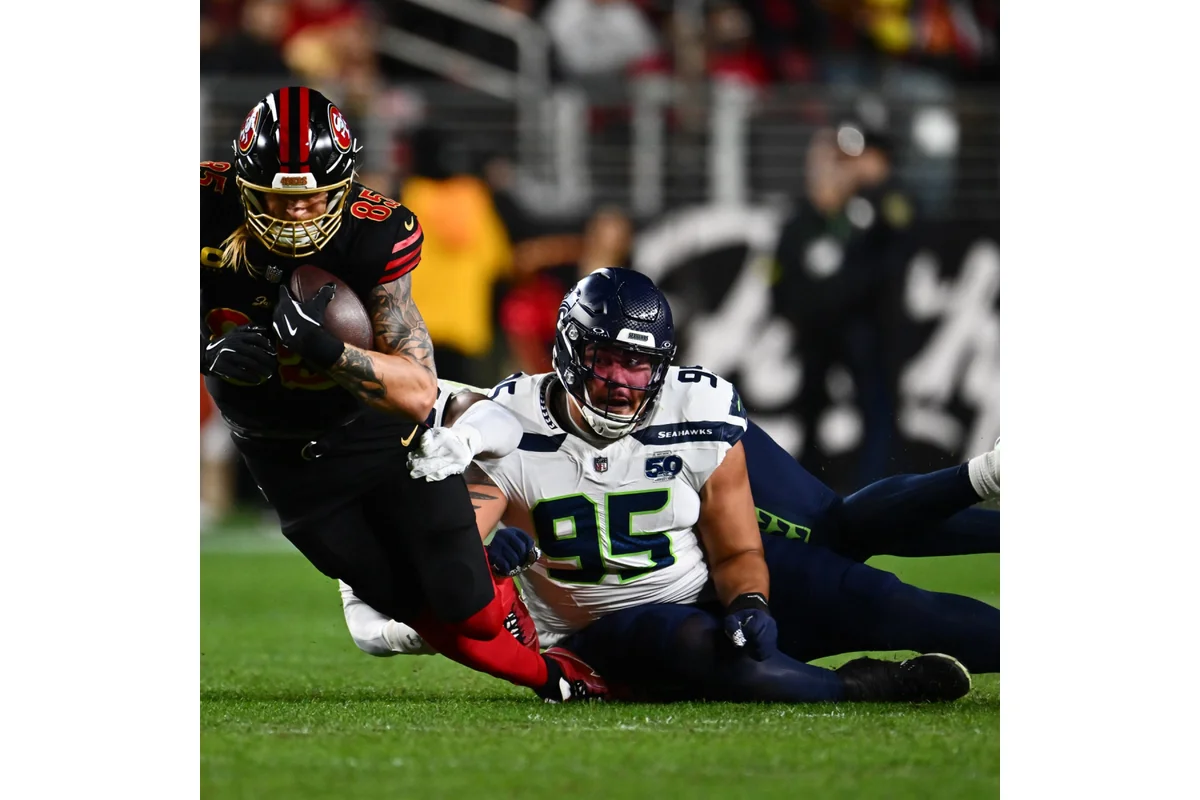
In the main game, Brandon Pili of the Seattle Seahawks, who is both Iñupiat and Samoan, is poised to compete for a Super Bowl ring. Brandon’s sister, Alissa Pili, has her own professional sports background as a former WNBA player for the Minnesota Lynx and Los Angeles Sparks. Although Brandon’s playing time is limited, he has the chance to follow in the footsteps of Indigenous athletes like James Winchester, Choctaw Nation of Oklahoma, and Creed Humphrey, Citizen Potawatomi Nation, who have recently captured the Lombardi Trophy.
Halftime Show Star Reflects Indigenous Heritage Through Music
The Super Bowl halftime concert, regarded as America’s largest musical event, will welcome Bad Bunny as the featured performer. Bad Bunny, whose real name is Benito Antonio Martínez Ocasio, is a Puerto Rican rapper and producer with ancestral Taino heritage. He frequently honors the island’s culture and incorporates Taíno-inspired designs in his performances, adding an Indigenous voice to the event’s cultural landscape.
Following his historic Grammy win for Album of the Year with Debí Tirar Más Fotos, Bad Bunny is expected to deliver a vibrant and meaningful performance on this prestigious stage.
