
INDIANAPOLIS — The 2026 NFL Draft Combine offered a striking display of elite talent and athleticism, defying earlier skepticism about the draft class’s potential impact. While questions linger about how these prospects will perform during the upcoming season, their workouts at the combine exceeded expectations, generating renewed excitement for the draft and offseason ahead. The event, held in Indianapolis, not only showcased players but also brought together coaches, general managers, scouts, and agents, creating an invaluable opportunity to assess the league’s near future.
The Quarterback Market: An Unexpected Opportunity for Value
The quarterback landscape this offseason is narrow, yet it offers surprising possibilities for teams seeking affordable starters. At the center of attention was Heisman Trophy winner Fernando Mendoza, the likely top pick, who, despite not performing drills at the combine, drew considerable attention from the crowd and media alike. Beyond Mendoza, the quarterback options remain limited in the draft, leaving free agency as the primary arena for seasoned QBs.
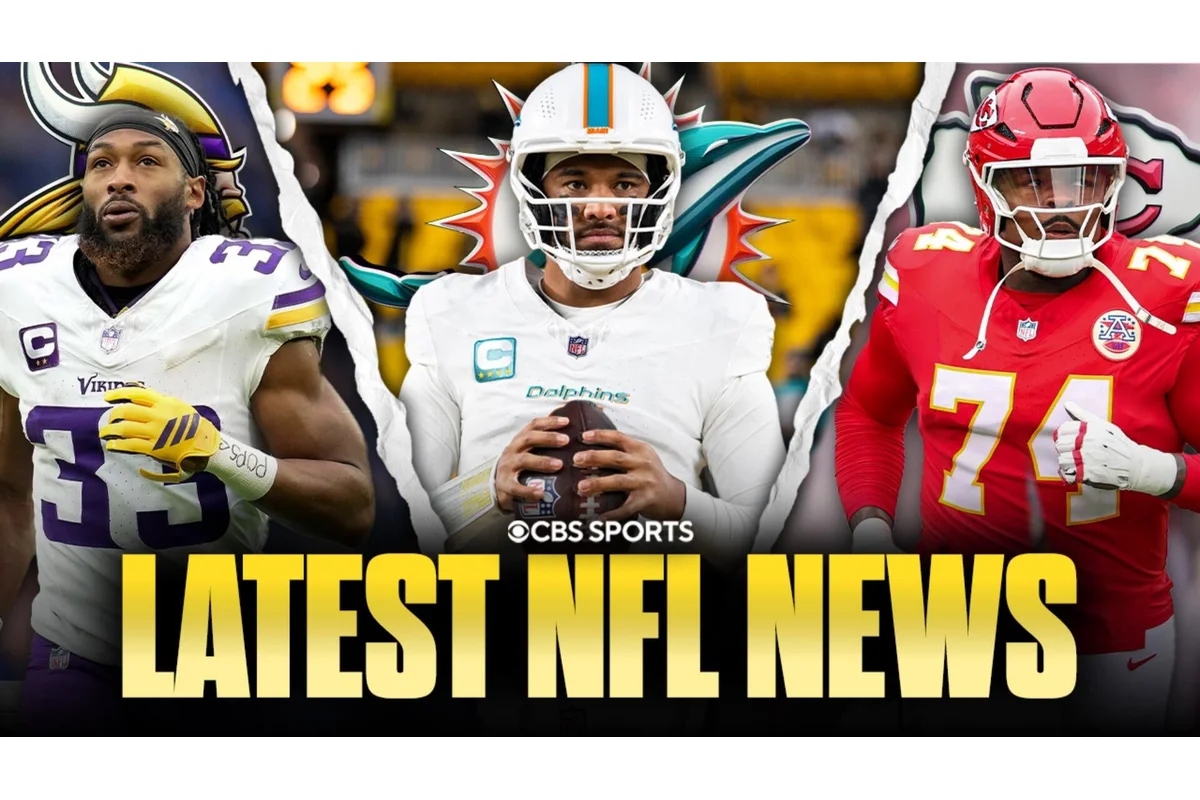
Free agents such as Aaron Rodgers, Malik Willis, Kyler Murray, Tua Tagovailoa, Kirk Cousins, and Geno Smith form an unconventional market. While Willis is projected to command around $30 million per year, a relatively modest figure for a starting quarterback, his limited NFL experience raises cautious optimism.
The dominant narrative emerging from Indianapolis concerns “value.” One executive shared confidence in his pursuit of a quarterback, emphasizing that acquiring quality talent might not demand large financial commitments. These quarterbacks are far from failures; many were once top 10 talents and have produced strong performances recently. However, their previous high salaries often restricted their teams’ ability to build robust supporting lineups, a key factor in their effectiveness.
The advantage now lies in quarterbacks like Smith and Tagovailoa, who have collectively earned over $100 million in their careers, allowing them to prioritize favorable team settings over lucrative paychecks. This shift could lead several teams, including the Vikings, Steelers, Rams, Chiefs, and Falcons, to secure starting quarterbacks at surprisingly efficient prices.
For example, Kyler Murray’s performance in Arizona may have disappointed, but a move to Minnesota under coach Kevin O’Connell, with elite receivers like Justin Jefferson, T.J. Hockenson, and Jordan Addison, could rejuvenate his career. Similarly, Geno Smith, after a difficult tenure in Las Vegas, might find a complementary environment in Atlanta alongside Bijan Robinson, Drake London, and Kyle Pitts — a group reminiscent of the Seahawks offense during Smith’s peak years.
In short, this year’s quarterback acquisitions may not grab headlines, but they present strategic, cost-effective opportunities for teams willing to bet on fit and context.
Insights and Rapid Observations from the Combine and Offseason
Beyond quarterback dynamics, the combine revealed an array of remarkable performances and shifting team strategies. Below are key observations and predictions gathered from scouts, executives, and insiders in Indianapolis.
Standout Performances Among Workout Participants
Some players turned heads with exceptional drills and athleticism, marking themselves as potential breakout stars in the draft.
Kenyon Sadiq, a tight end from Oregon, stunned scouts by running a 4.39-second 40-yard dash — the fastest ever recorded at the combine for his position. Despite standing at 6-foot-3, which is somewhat shorter than typical NFL tight ends, he impressed with a 43.5-inch vertical leap, suggesting extraordinary explosiveness if deployed thoughtfully in pro offenses.
Linebacker Sonny Syles from Ohio State earned praise from Ravens safety Kyle Hamilton, who remarked on Syles’s comprehensive athleticism:
“He got framemogged for a combine workout comparison.”
Syles’s blend of speed, size, and agility highlights his potential as a multi-dimensional defender.
Oregon safety Dillon Thieneman matched Syles’s athletic credentials, clocking a 4.35-second 40-yard dash, a 41-inch vertical, and a broad jump of 10 feet 5 inches. His film supports these numbers, showcasing a seasoned starter with elite coverage skills and physical tools.
Notre Dame running back Jeremiyah Love confirmed on-field projections with a 4.36-second 40-yard dash, comparable to previous standout Jahmyr Gibbs. Observers noted Love’s fluidity and versatility in movement, excelling in drills beyond typical running back exercises. One scout reflected,
“Love is a better prospect than [Ashton] Jeanty.”
Jeanty, a recent rookie, rushed for 975 yards and five touchdowns, setting a high bar for Love’s potential impact.
Quarterback Prospects: Hope, Setbacks, and Potential Late Bloomers
Attention also focused on quarterbacks outside the obvious first pick. Alabama’s Ty Simpson is widely regarded as the QB2. However, Garrett Nussmeier, formerly a highly regarded LSU quarterback and son of Saints offensive coordinator Doug Nussmeier, represents a more uncertain case.
Nussmeier entered the combine aiming to regain early-round draft status after an injury-plagued 2025 that undermined his production. He played through a season-long torso injury that limited his effectiveness, culminating in heavy defeats for LSU against top-ranked opponents. A former LSU offensive coordinator, Joe Sloan, expressed guarded optimism:
“Hopefully the next few weeks go really well for him and he can get back to where he should be — in the first round.”
Sloan added,
“All it takes is a couple teams to go, ‘You know what, we got the opportunity to do this. Let’s look at the entirety of all the information and make the right decision.’”
Despite these hopes, an AFC executive described Nussmeier’s combine showing as “okay overall,” noting that while he had a few solid throws, his performance did not cement confidence. The quarterback’s ability to impress during pro days and team meetings this spring will be critical for securing his draft position. Realistically, Nussmeier may be a developmental pick on Day 2 rather than a first-round guarantee, assuming opportunities arise on teams with successful quarterback development track records.
How Seattle Exploited Mental Weaknesses to Secure Super Bowl Victory
The combine also offered behind-the-scenes insight into the Seahawks’ Super Bowl triumph, particularly the pivotal performances by cornerback Devon Witherspoon. Known for his effective blitzes, Witherspoon disrupted the Patriots offense on crucial third downs, contributing to only six successful third-down conversions out of 15 attempts and forcing a game-sealing interception.
A source revealed the Seahawks’ tactical approach: By aligning Witherspoon on the two-receiver side in a two-by-one formation, Seattle disguised cornerback blitzes, catching Patriots quarterback Drake Maye repeatedly off guard. This “Trojan Horse” formation confused New England’s offense and leveraged Witherspoon’s speed and agility from the slot to penetrate the backfield.
Witherspoon himself described exploiting New England’s tendency to overset the offensive line toward the sideline, opening up lanes for his interior rushes despite his relatively light frame at 185 pounds. Even after seeing the blitz once, Maye struggled to recognize the pressure in real time, reportedly having “got caught napping,” according to a source.
Although Maye’s understanding of the defense improved substantially throughout 2026, he was unable to reach the level needed to outwit Seahawks defensive coordinator Mike Macdonald in the biggest game of the year.
Coaching Moves and Strategic Shifts Affecting Team Dynamics
Among coaching developments, Denver Broncos head coach Sean Payton surprised some by relinquishing playcalling duties to offensive coordinator Davis Webb. Sources indicate this decision was not due to waning confidence but rather an effort to retain Webb amid interest from multiple teams, including the Buffalo Bills.
Payton reportedly included playcalling responsibilities as part of Webb’s contract extension, ensuring the young coordinator’s stay. Payton remains heavily involved in game planning and retains some influence during games but values the injection of Webb’s fresh offensive perspective.
Payton’s commitment to aggressive in-game decisions was also highlighted by a controversial call during the AFC Championship against the New England Patriots. On a critical fourth-and-1 at the 14-yard line, Payton chose a play-action pass from backup quarterback Jarrett Stidham instead of a field goal attempt. The pass was intercepted, ending the Broncos’ drive.
While Payton accepted blame for the poor play call, he reportedly does not regret the decision to forego the field goal, recognizing it as a calculated risk that will spark offseason debates about offensive strategy and game management.
Significance and Outlook for the 2026 NFL Offseason
The 2026 NFL Draft Combine revealed a draft class brimming with athletic promise and strategic opportunities, particularly in the quarterback market. The undervalued nature of experienced quarterbacks presents teams with a chance to bolster rosters without overspending, potentially reshaping franchise trajectories.
Several non-QB prospects impressed with workout performances, signaling a depth of talent that could translate into significant NFL contributions. Meanwhile, coaching decisions, like Payton’s shift in playcalling responsibilities, demonstrate evolving approaches to leadership and game planning.
As teams prepare for the draft and free agency, this offseason promises intriguing developments in roster construction and player roles, with strategic value likely taking precedence over marquee signings. The combine’s revelations have heightened anticipation for the 2026 NFL Draft and the upcoming season’s storylines.
The Broncos go for it on 4th down and come up short 😯 pic.twitter.com/kS3Bcxqv8u
— TSN (@TSN_Sports) January 25, 2026
