
The 2026 NHL trade deadline unfolded without blockbuster deals involving megastars, yet saw numerous veterans, prospects, and draft picks change hands. This crucial period, spanning all 32 teams, has reshaped the league landscape with some franchises strengthening their pursuit of the Stanley Cup Finals, while others have committed to rebuilding. Here are the detailed trade deadline grades reflecting each team’s strategic direction.
Evaluating the Carolina Hurricanes’ Modest Trade Activity
Holding the top record in the Eastern Conference, the Carolina Hurricanes’ quiet approach surprised many expecting aggressive reinforcements. Their only acquisition was Nic Deslauriers, obtained for a conditional seventh-round pick, preserving the team’s core and salary cap flexibility. While this move did not significantly enhance their title chances, the Hurricanes maintained their long-term prospects without mortgaging the future.
Columbus Blue Jackets Take a Balanced Step Towards Playoffs
The Columbus Blue Jackets, facing a challenging long-term outlook with several free agents soon to leave, aimed to strengthen their playoff push by acquiring forward Conor Garland. Though helpful in the short term, Garland’s contract terms may pose complications moving forward, reflecting the team’s delicate balance between present competitiveness and future uncertainty.
New Jersey Devils Opt for Patience Amidst Struggles
After making the postseason last year, the New Jersey Devils have slipped near the bottom of the standings this year. Despite speculation about selling off assets, the Devils retained their core players, signaling confidence in a rebound next season rather than dismantling the roster prematurely.

New York Islanders Build Depth Early and Make a Bold Final Move
The New York Islanders demonstrated proactive management by acquiring Carson Soucy, Ondrej Palat, and Matt Luff well before the deadline, adding reliable veteran depth. Their trade for Brayden Schenn as the deadline approached delivered a high-impact player expected to enhance their Stanley Cup contention significantly.
New York Rangers Face Disappointment as Sellers
Last in the Eastern Conference, the New York Rangers entered the deadline as sellers but received modest returns for key players. The trade involving Artemi Panarin, hindered by a no-trade clause, resulted in an underwhelming haul, with the Rangers shouldering half of Panarin’s remaining salary, raising concerns about their future competitiveness.
Philadelphia Flyers Exchange Forward for Defensive Reinforcement
The Flyers addressed their defensive thinness by trading forward Bobby Brink for defenseman David Jiricek. However, the move’s effectiveness is debatable as it may represent a downgrade, reflecting the team’s struggle to improve balance across positions.
Pittsburgh Penguins Add Temporary Support Amid Injuries
The Penguins brought in Elmer Soderblom to bolster forward depth while star player Sidney Crosby recovers from injury. With Crosby’s return imminent and the Penguins’ prior trade activity earlier in the season, the team chose minimal additional moves at the deadline.
Washington Capitals Begin a Painful Transition with Key Departures
The Capitals’ trade deadline moves weakened the roster, notably losing Nic Dowd and John Carlson, marking an end of an era. Despite the morale blow, these trades were considered necessary steps toward rebuilding the franchise’s future.
Boston Bruins Make Marginal Adjustments at Deadline
The Bruins engaged in minor transactions, trading Brett Harrison and Jackson Edward for prospects Massimo Rizzo and Alexis Gendron and acquiring Lulas Reichel for a sixth-round pick. These peripheral moves suggest a strategy focused on gradual improvement rather than bold change.
Buffalo Sabres Fall Short Despite Strong Division Position
Second in the Atlantic Division, the Sabres’ trade deadline outcomes were disappointing, acquiring depth players like Tanner Pearson and Luke Schenn, but no high-impact talent. Their lack of aggressive moves leaves questions about how they intend to break their playoff drought since 2011.
Detroit Red Wings Secure Veteran Defenseman to Fortify Backline
Detroit made a significant move by trading valuable first and third-round picks for defenseman Justin Faulk, one of the best defenders available at deadline. Adding David Perron improved their forward depth, signaling a serious push toward playoff contention.
Florida Panthers Maintain Core Despite Recent Struggles
After back-to-back Stanley Cup wins, the Panthers with an injury-hampered season, finished near the bottom of their division. Instead of rebuilding, they opted to shuffle minor roster pieces, maintaining belief in a return to contention beyond this so-called gap year.
Montreal Canadiens’ Defense Remains Vulnerable Without Reinforcements
The Canadiens stayed inactive at the deadline, neglecting to improve their weak defense which ranks 24th in goals allowed. Despite boasting a strong offense, the lack of defensive additions earned them a low grade reflecting missed opportunity to strengthen crucial areas.
Ottawa Senators Hold Steady Despite Recent Winning Streak
Riding a strong 7-1-2 run, the Senators chose to stay quiet in the trade market, perhaps believing late-season momentum was sufficient. Their cautious approach signals measured confidence but may limit chances of a deeper playoff run.
Tampa Bay Lightning Add Experienced Presence in Key Playoff Push
The Lightning reacquired Corey Perry, whose multiple Stanley Cup Finals losses are outweighed by his playoff expertise. Perry’s presence is expected to provide invaluable leadership and experience as Tampa Bay aims for another championship.
Toronto Maple Leafs Shift From Buyers to Sellers with Mixed Returns
After years of acquiring talent, the Maple Leafs embraced a sell-off approach this season. Trading Scott Laughton for a lesser third-round pick and gaining a first-round pick in exchange for Nicolas Roy reflects a focus on long-term rebuilding, though the immediate haul was underwhelming.
Chicago Blackhawks Make Smart Moves While Rebuilding
As last in the Central Division, the Blackhawks embraced their seller role, securing valuable first-round picks for free agents like Jason Dickinson. Though progress has been slow since drafting Connor Bedard, their deadline actions align well with rebuilding goals.
Colorado Avalanche Strengthen an Already Dominant Team
Arguably the league’s best team, Colorado improved depth by reacquiring Nazem Kadri and adding Nicolas Roy alongside defensive support from Nick Blackenburg. Committing future draft picks to immediate success, the Avalanche’s bold moves show their all-in stance for a championship repeat.
Dallas Stars Bolster Depth with Targeted Additions
The Stars enhanced their roster by adding Tyler Myers and Michael Bunting, moves designed to complement their physical style and cover for Mikko Rantanen’s current absence. These additions align with a push for playoff competitiveness without heavy asset cost.
Minnesota Wild Build On Earlier Major Deal with Additional Moves
Minnesota’s acquisition of Quinn Hughes was a standout trade completed ahead of the deadline. Additional pickups of Nick Foligno, Bobby Brink, and Jeff Petry near the deadline further indicate ongoing efforts to strengthen the team’s roster depth.
Nashville Predators Maintain Status Quo With Limited Activity
Trading multiple low-impact players, Nashville’s lack of aggressive moves aligns with their middle-of-the-pack status, focusing on maintaining stability rather than dramatic overhaul at the deadline.
St. Louis Blues Acquire Valuable First-Round Picks While Selling Veterans
The Blues made moves to boost future assets by acquiring two first-round picks in 2026, trading away Justin Faulk and Brayden Schenn. For a team near the standings’ bottom, increasing draft capital was a sensible move geared toward rebuilding.
Utah Mammoth Signal Commitment to Competitiveness Through Key Acquisition
In their inaugural season under the Mammoth name, Utah demonstrated ambition by adding MacKenzie Weegar, signed through 2031. This acquisition cements Weegar’s role as a foundational player in the franchise’s future success.
Winnipeg Jets Bring in Young Talent But Face Urgent Need for Progress
Despite the stellar performance of goalie Connor Hellebuyck at the Winter Olympics, the Jets have yet to fully capitalize on his dominance. The team’s addition of prospect Isak Rosen showed some intent, but broader moves to strengthen the squad remain urgently needed.
Anaheim Ducks Pursue Playoff Return With Key Veteran Addition
The Ducks aimed to end their postseason drought since 2018 by aggressively acquiring John Carlson, a move expected to enhance their playoff chances and provide veteran leadership on defense.
Calgary Flames Focus Entirely on Rebuilding Through Asset Accumulation
Undoubtedly one of the most active sellers, Calgary moved on from veterans MacKenzie Weegar, Nazem Kadri, and Rasmus Andersson, earning multiple first-round picks over the next three years. This overhaul positions the Flames for a long rebuild while maximizing future assets.
Edmonton Oilers Add Support but Miss Out on Goaltending Help
Following back-to-back Stanley Cup Finals appearances, the Oilers reinforced their roster by acquiring Jason Dickinson, Colton Dach, and Connor Murphy. However, a lack of goaltending improvements leaves a notable gap in their championship pursuit.
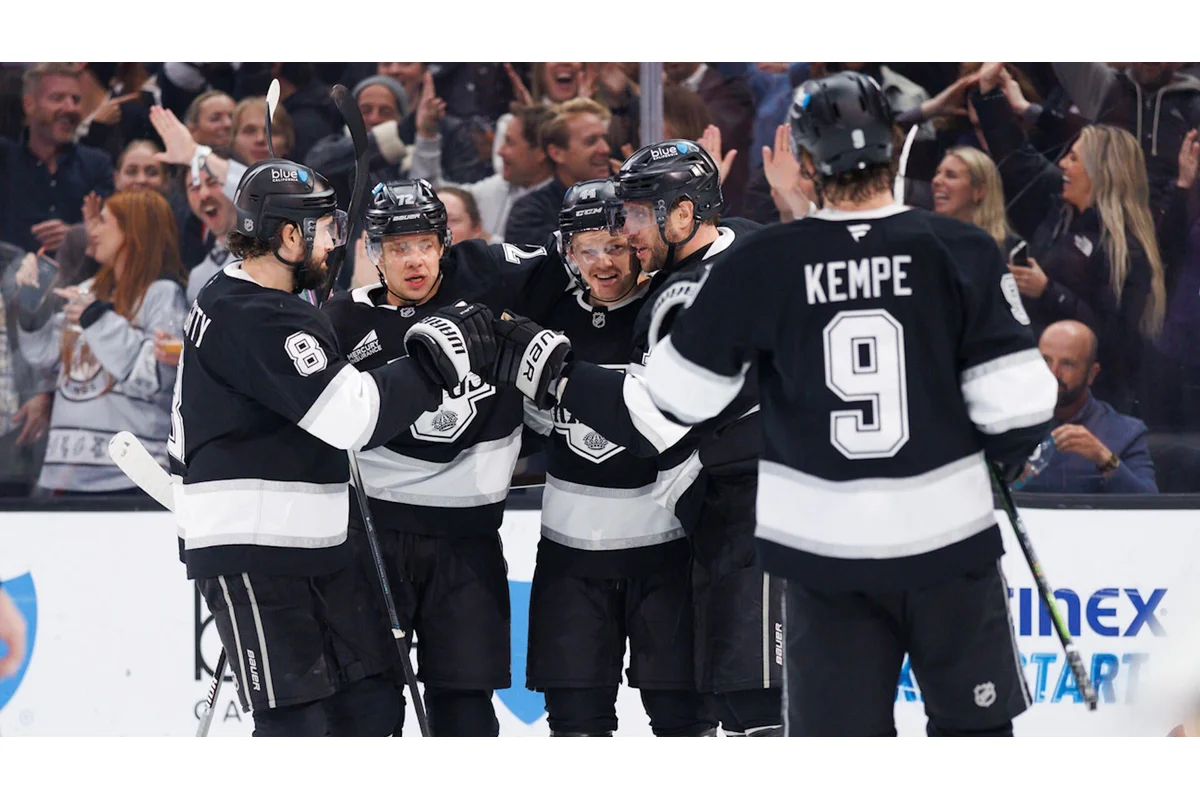
Los Angeles Kings Strengthen Future Outlook By Retaining Key Players
The Kings traded for and re-signed Artemi Panarin, securing a crucial offensive asset. Holding on to Scott Laughton would further solidify their future, marking the team’s trade deadline actions as focused on long-term growth.
San Jose Sharks Make Modest Moves Without Major Impact
The Sharks acquired Kiefer Sherwood earlier in January and added Jett Woo in a deadline deal, trading away Timothy Liljegren for a mid-round pick. These transactions produced an average impact, reflecting a middling deadline strategy.
Seattle Kraken Upgrade Their Roster With Tactical Player Swap
After trading Mason Marchment, the Kraken exchanged the incoming player package to acquire Bobby McMann, effectively upgrading their roster one-for-one. This savvy maneuver stands out as a valuable trade deadline success.
Vancouver Canucks Commit to Rebuilding by Shipping Veterans
At the bottom of the standings, Vancouver traded away a number of veterans not aligned with their future plans, including Conor Garland and Tyler Myers, taking a clear rebuilding path at the deadline.
Vegas Golden Knights Experience a Quiet Deadline After Early Moves
While Rasmus Andersson was acquired earlier in January, the Golden Knights were relatively inactive during the actual trade deadline, marking a notable departure from their usual busy deadline presence.
Overall, the 2026 NHL trade deadline reflected a league balancing immediate contender builds with long-term reconstruction. Teams like Colorado Avalanche and New York Islanders took definitive steps toward Stanley Cup aspirations, while franchises such as Calgary Flames and Vancouver Canucks prioritized future assets. The consequences of these strategies will shape the NHL’s competitive landscape in the months ahead and beyond.
