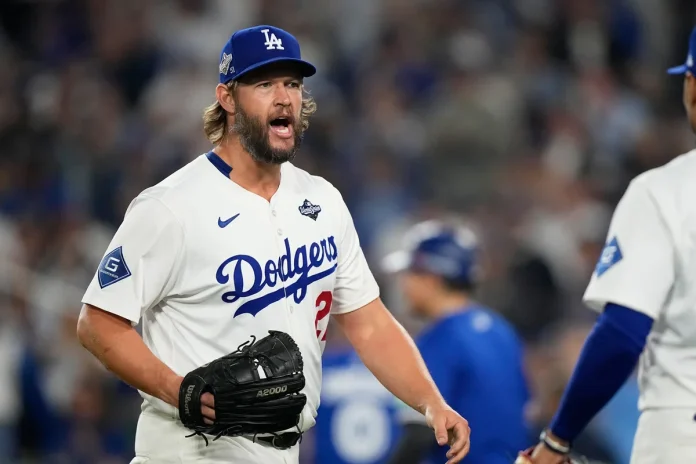
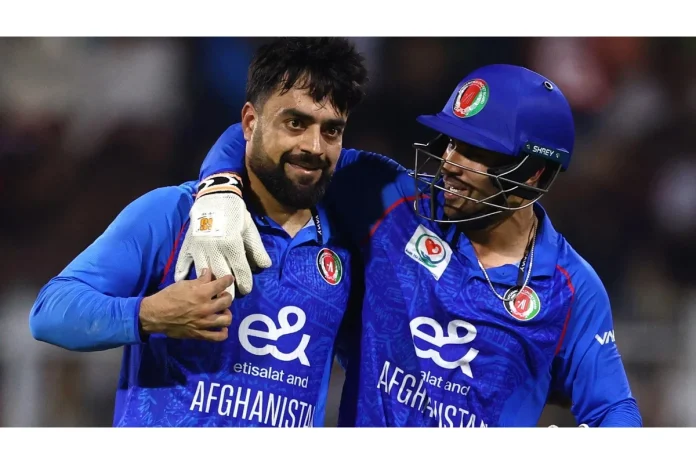
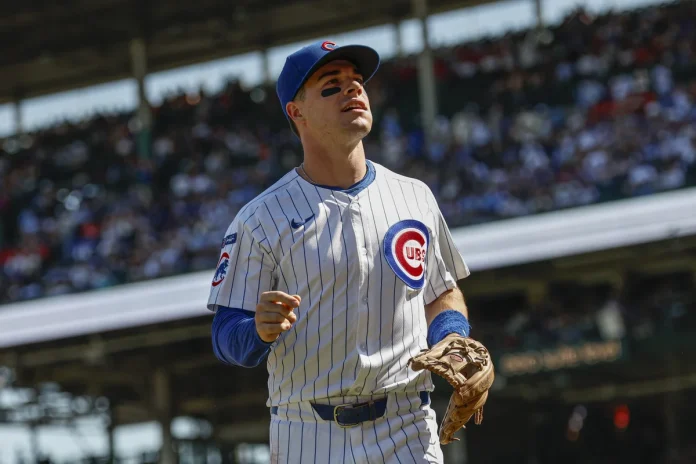
CLEVELAND, Ohio — The future of Cleveland Guardians closer Emmanuel Clase remains uncertain after he and former teammate Luis Ortiz appeared in federal court Thursday for a status hearing that could shape not only their legal outcomes but their careers in Major League Baseball. The unfolding case, which involves serious criminal allegations, has introduced a peculiar defense that might alter how authorities view the charges and thus influence MLB’s disciplinary actions.
Overview of the Federal Legal Proceedings
Emmanuel Clase and Luis Ortiz attended a federal status hearing in the Eastern District of New York as their legal battle continues. The upcoming trial, currently scheduled for May, looms heavily over both players as they face potential prison sentences up to 65 years if convicted on all counts. The case has also attracted considerable attention from MLB, where the league maintains the authority to impose suspensions or even lifetime bans on players involved in criminal activities.
Paul Hoynes, a seasoned Guardians beat reporter, emphasized the seriousness of the charges:
“This is a serious case. They’re facing 65 years each. Ortiz and Clase are facing a possible 65 years in prison if they’re found guilty on all counts. And MLB really holds the hammer here and could conceivably ban both these guys for life from baseball,”
he explained on the Cleveland Baseball Talk Podcast.
Unusual Defense Argues Misinterpretation of Communications
The defense for Emmanuel Clase introduced an unexpected argument, claiming that intercepted messages referenced in the federal investigation pertain not to game-fixing or pitching manipulations but to cockfighting activities, a legal practice in Clase’s home country of the Dominican Republic. This angle suggests federal agents may have misunderstood text conversations that allegedly involved betting.
According to Paul Hoynes,
“One of the bettors identified in the indictment said that some of the texts intercepted or read by federal authorities between Clase and these bettors was about gamefowl fighting in the Dominican,”
underscoring the defense’s claim that these communications were linked to an activity distinct from sports betting scandals.
This assertion adds complexity to the case, potentially impacting the evidence’s interpretation amid ongoing investigations. However, federal prosecutors are expected to possess substantial evidence beyond this dispute, reducing the likelihood that this defense will alone sway the judicial process.
Insights from the Guardians’ Clubhouse
Beat writer Joe Noga reflected on his firsthand clubhouse impressions of Clase, which provide contextual support to the cockfighting defense theory. Over recent seasons, reporters noticed Clase frequently engaged in phone conversations in the clubhouse, often accompanied by distinctive sounds of roosters and animals.
Noga recounted this observation, saying,
“We would always notice Clase sitting in his locker, usually on the phone with whoever it was, we would assume back home on his farm in the Dominican. And you would always hear roosters, chickens, all sorts of animals coming through on the speaker on his phone,”
highlighting details that could lend some credibility to the defense’s claims.
Adding a touch of levity to an otherwise tense subject, Noga shared how he and his podcast co-host coined the phrase “gamefowl combat” to describe the alleged cockfighting activities, a term that quickly became their preferred euphemism.
In Noga’s words,
“Gamefowl combat, I think, is an interesting way to describe that. That’s my favorite. We’re going to go with that moving forward.”
Federal Investigators Likely Have Broader Evidence
Despite the defense’s unusual argument, authorities appear confident in their investigation’s scope and depth. Paul Hoynes stressed,
“The federal authorities, I think they better not have gone to this length in the investigation and be fouled up, so to speak, by some alleged cockfighting down in the Dominican Republic. I’m sure they have a little more evidence than that.”
This suggests the government’s case involves more substantive proof aside from the contested communications.
Impact on the Guardians’ 2026 Season
Clase’s ongoing legal troubles present a significant challenge for the Guardians as they prepare for the 2026 MLB season. Considered one of baseball’s premier closers, Clase’s potential absence—whether through imprisonment or a league suspension—leaves a considerable void in Cleveland’s bullpen, forcing the team to rethink its relief pitching strategy around one of its strongest assets.
Recent Developments and Court Expectations
The status hearing Thursday involved Clase and Ortiz, attended by their legal representatives and a Spanish-speaking translator. There was speculation about possible plea negotiations, which would alter the trajectory of the trial set for May. When asked about what to expect from the hearing, beat reporter Paul Hoynes commented that such appearances usually serve to verify that a case progresses toward trial but acknowledged,
“There is a possibility for a plea bargain or some kind of resolution.”
Hoynes explained that when Clase and Ortiz were first arraigned late last year, plea discussions were absent, so this hearing might mark the first signs of movement toward settlement. The Guardians’ organization is closely monitoring these developments because of their implications on both the players’ futures and roster decisions.
Broader Context: MLB’s Deliberations on Expansion and Realignment
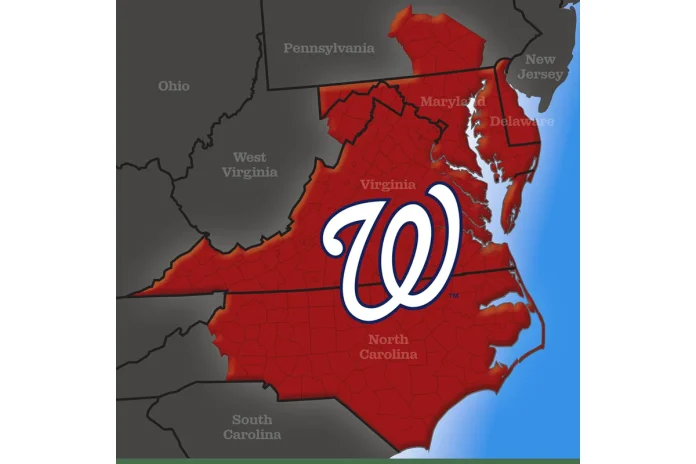
In a broader baseball context discussed on the podcast, MLB Commissioner Rob Manfred recently addressed plans involving league realignment and expansion. Manfred expressed interest in growing MLB to 32 teams, inspired by models used in other major sports like the NFL. This would accompany a divisional reshuffle, likely eliminating the long-standing American and National League structure to enable more geographically logical matchups.
Paul Hoynes shared his views on this prospective evolution:
“I would imagine that’s a goal of his… The last time there was expansion was, you know, 30 years ago. Obviously, if they can continue to grow the game… expansion is, you know, I have no problem with that.”
However, Hoynes also voiced concern about dismantling traditional league distinctions, pointing to the historical significance and statistical records maintained separately within each league.
The podcast hosts considered how the Guardians might fit into a restructured division, speculating on a potential Midwest division featuring nearby rivals such as the Detroit Tigers, Chicago White Sox, Pittsburgh Pirates, and Cincinnati Reds. The geographical proximity of these teams would not only reduce travel demands but also potentially intensify regional rivalries, enhancing fan engagement.
Assessing the Guardians’ Roster and Prospects Amid Uncertainty
Aside from Clase’s situation, the team’s roster currently faces various developments and questions heading into the next season. Reporters discussed probable candidates for the opening pitching rotation, highlighting Triston McKenzie, Cal Quantrill, and others, with specific mentions of younger arms like Slade Cecconi, Joey Cantillo, and Logan Allen. Debate continues about minor league prospects such as Parker Messick and Travis Bazzana and how they might earn playing time during spring training.
The podcast also addressed uncertainty related to veteran players like Stephen Vogt, who is recovering from injury but expected to contribute as a catcher and first baseman. Contract considerations for free agents like Harrison Bader were mentioned, particularly concerning the team’s budget constraints and potential multi-year deals.
Potential Labor Disputes and Financial Challenges
The discussion extended to looming labor negotiations that could affect the 2026 MLB season. Paul Hoynes identified money as the primary sticking point between owners and players, especially the contentious issue of implementing a salary cap, which he doubts players will accept. Consequently, there is concern that a strike or lockout could disrupt future seasons if the parties fail to reach agreement.
Evaluating Player Legacy and Fan Perspectives
The podcast shared subscriber opinions about prominent Guardians players, focusing on the ongoing debate over the Hall of Fame potential between Jose Ramirez and Francisco Lindor. One subscriber praised Ramirez’s leadership and his ability to elevate teammates despite a relatively young roster. At the same time, Lindor’s marketability and broader profile were noted as differences in their career narratives.
Paul Hoynes reflected on this dynamic:
“Ramirez does elevate the players around him because he has no choice. He’s the best player on the club… he stands out in a… usually a young lineup and… he’s got to be the guy that carries the team.”
Conversely, Lindor’s role as a high-profile figure with a charismatic persona was acknowledged, contrasting with Ramirez’s “lunch pail” approach.
What Lies Ahead for Emmanuel Clase and the Guardians
As the federal case against Emmanuel Clase and Luis Ortiz unfolds, its outcome will decisively influence the Guardians’ bullpen composition and organizational strategy. The unprecedented defense alleging a misinterpretation related to legal Dominican Republic cockfighting introduces an unusual legal narrative, but federal prosecutors appear committed to pursuing the case vigorously.
Major League Baseball, concurrently observing legal developments, holds authority to impose sanctions that could extend beyond trial verdicts, including suspensions or lifetime bans, which would reshape the trajectories of both players’ careers. For Cleveland’s front office, the impending resolution will not only affect on-field roles but also impact offseason decisions and future roster construction.
Meanwhile, broader MLB conversations around expansion, realignment, and labor negotiations suggest the sport is on the cusp of significant transformation, with potential changes in geography, scheduling, and financial structures. The coming months promise decisive moments both legally for Clase and operationally for the Guardians and Major League Baseball at large.